A step-by-step guide on collecting crucial evidence after a car accident for your personal injury case.
A step-by-step guide on collecting crucial evidence after a car accident for your personal injury case.
Evidence Collection After a Car Accident
Immediate Steps at the Accident Scene Crucial Evidence Gathering
Okay, so you've just been in a car accident. It's a stressful, chaotic moment, right? Your heart's pounding, you might be a bit shaken up, and the last thing you're probably thinking about is playing detective. But trust me, what you do in those first few minutes and hours after a crash can make or break your personal injury claim. We're talking about gathering evidence, and it's absolutely crucial. Think of it as building your case from the ground up, right there on the asphalt.
First things first, safety. If you can, move your vehicle to a safe location, out of the flow of traffic. Turn on your hazard lights. Check on yourself and any passengers. If anyone is injured, call 911 immediately. Your health and safety are paramount. Once that's handled, and assuming it's safe to do so, it's time to start documenting.
Contact Information Exchange Essential Details for Your Claim
This might seem obvious, but in the heat of the moment, people forget. Get the other driver's full name, phone number, email address, and physical address. Don't just take their word for it; ask to see their driver's license and snap a photo of it with your phone. Also, get their insurance company name and policy number. Again, photo evidence is your friend here. If there are any passengers in their car, get their names and contact info too. The more information, the better. This is foundational for any personal injury claim.
Witness Statements and Contact Information Unbiased Accounts
Did anyone see what happened? Bystanders can be incredibly valuable. They're often unbiased third parties who can corroborate your version of events. Politely ask if anyone witnessed the accident. If they did, get their name, phone number, and email address. If they're willing, ask them for a brief statement right there on the spot. You can even record it on your phone (with their permission, of course). Their perspective can be gold when it comes to proving fault.
Photographs and Videos Visual Documentation of the Scene
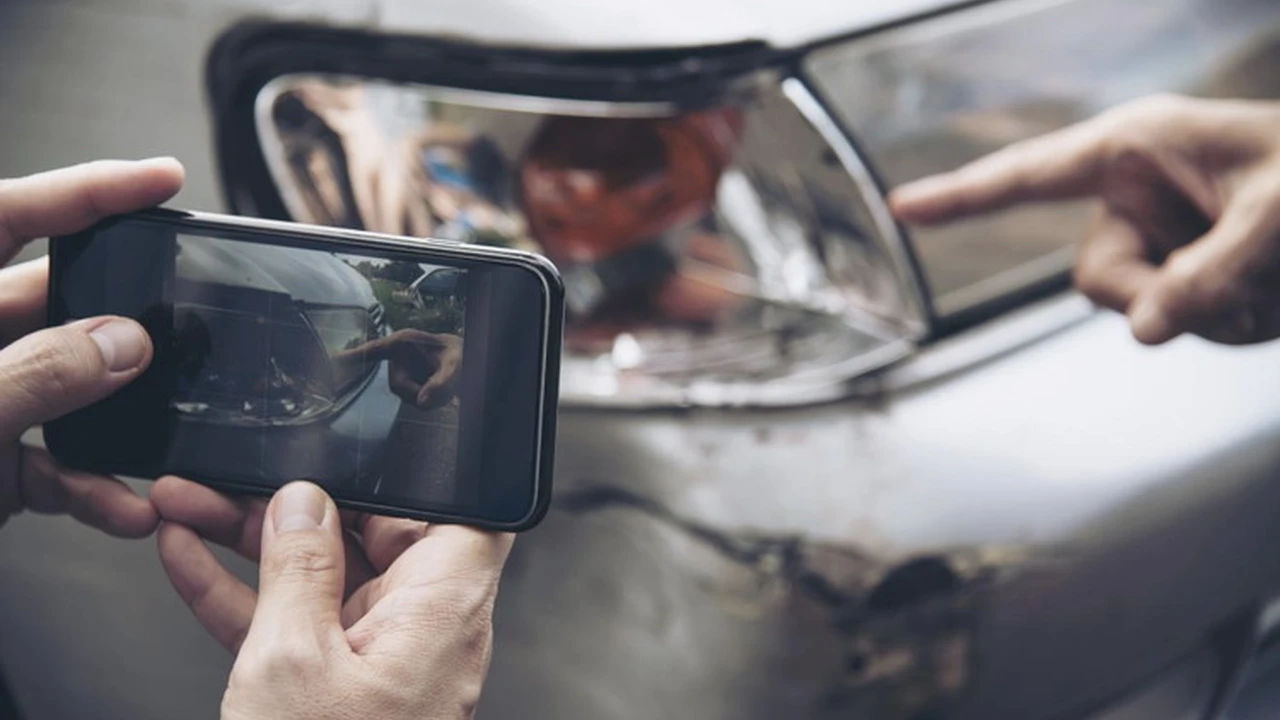
This is arguably the most powerful evidence you can collect. Your smartphone is a mini-investigation kit. Take pictures and videos of everything. And I mean *everything*.
* **Vehicle Damage:** Get close-ups of the damage to your car and the other vehicle(s). Don't just take one or two; get multiple angles. Show the extent of the damage. If there are any detached parts, photograph those too.
* **Accident Scene:** Photograph the overall scene. Show the position of the vehicles, any skid marks on the road, debris, traffic signs, traffic lights, and road conditions (wet, icy, potholes). These details can help reconstruct the accident.
* **Injuries:** If you or your passengers have visible injuries, photograph them immediately. Bruises, cuts, scrapes – document everything. Continue to take photos of your injuries as they heal (or don't heal) over the following days and weeks. This visual timeline is crucial for demonstrating the severity of your personal injury.
* **Surrounding Area:** Take photos of the surrounding environment. Are there any businesses with surveillance cameras that might have captured the accident? Are there any construction zones or other hazards that contributed? The more context, the better.
When taking photos, try to include landmarks or street signs to establish the location. And remember, more is always better than less. You can always delete unnecessary photos later, but you can't go back in time to take them.
Police Report Importance and How to Obtain It
Always call the police, even for minor accidents. A police report isn't always admissible as evidence of fault in court, but it's an official document that records key details like the date, time, location, parties involved, and often, the officer's initial assessment of the accident. It's a crucial piece of evidence for your personal injury claim. Get the police report number and the investigating officer's name and badge number. You'll need this to obtain a copy of the report later. In many jurisdictions, you can request a copy online or in person a few days after the accident.
Post-Accident Evidence Collection Beyond the Scene
The evidence gathering doesn't stop once you leave the accident scene. In fact, some of the most important evidence comes from what you do in the days and weeks following the crash.
Medical Records and Bills Documenting Your Injuries and Treatment
This is absolutely critical for any personal injury claim. Seek medical attention immediately, even if you feel fine. Some injuries, like whiplash or concussions, might not manifest symptoms until hours or even days later. A delay in seeking medical care can be used by insurance companies to argue that your injuries weren't caused by the accident. Keep meticulous records of all your medical appointments, diagnoses, treatments, medications, and physical therapy. Every single bill, every prescription, every doctor's note – keep it all. This documentation proves the extent of your injuries and the costs associated with your recovery. It's the backbone of your personal injury damages.
Lost Wages Documentation Proving Financial Impact
If your injuries prevent you from working, you're entitled to compensation for lost wages. Keep records of your work schedule, pay stubs, and any letters from your employer confirming your time off due to the accident. A doctor's note stating you're unable to work is also vital. This evidence directly quantifies a significant portion of your personal injury claim.
Vehicle Repair Estimates and Bills Property Damage Evidence
Get multiple repair estimates for your vehicle's damage. If your car is totaled, you'll need documentation of its fair market value. Keep all receipts for towing, rental cars, and any other expenses related to your vehicle's damage. This is a separate component of your claim but still important evidence.
Communication Records with Insurance Companies and Other Parties
Keep a detailed log of all communications you have with insurance adjusters, the other driver, or anyone else involved in the case. Note the date, time, who you spoke with, and a summary of the conversation. It's often best to communicate in writing (email) whenever possible, as it creates a clear paper trail. Be very careful what you say to insurance adjusters; they are not on your side and may try to get you to admit fault or minimize your injuries. It's always best to consult with a personal injury lawyer before giving any recorded statements.
Digital Evidence and Technology Leveraging Modern Tools
In today's world, digital evidence plays an increasingly important role in personal injury cases. Don't overlook these modern tools.
Dashcam Footage Invaluable Unbiased Perspective
If you have a dashcam, congratulations! You've got one of the best pieces of evidence possible. Dashcam footage provides an unbiased, real-time recording of the accident. It can clearly show who was at fault, traffic conditions, and the sequence of events. If you don't have one, consider investing in one. They're relatively inexpensive and can save you a lot of headaches down the road. For example, popular and reliable dashcam brands include **VIOFO A129 Pro Duo** (around $250, excellent 4K front and 1080p rear recording, GPS, Wi-Fi, parking mode), **BlackVue DR900X-2CH Plus** (premium option, around $450, 4K front and 1080p rear, cloud connectivity, advanced parking mode), and **Garmin Dash Cam 57** (compact, around $170, 1440p, voice control, incident detection). These are great for capturing the moments leading up to and during an accident, providing irrefutable evidence.
Smartphone Apps and GPS Data Location and Speed Verification
Many smartphones automatically log your location data. This can be used to verify your speed and location at the time of the accident. Some apps, like Google Maps or Apple Maps, keep a history of your travels. This can be useful, especially if there's a dispute about where the accident occurred or your direction of travel. While not always definitive, it can support other evidence.
Social Media Posts What Not to Share
This is a big one. Be extremely careful about what you post on social media after an accident. Insurance companies and opposing lawyers will scour your profiles for anything that can be used against you. Posting photos of you hiking, playing sports, or even just smiling at a party can be used to argue that your injuries aren't as severe as you claim. It's best to make your profiles private or, even better, refrain from posting anything about the accident or your activities until your case is resolved. Seriously, just don't do it. It's not worth jeopardizing your personal injury claim.
Expert Assistance When to Call a Personal Injury Lawyer
While collecting evidence yourself is important, there comes a point where you need professional help. This is where a personal injury lawyer steps in.
Legal Counsel and Guidance Navigating the Complexities
An experienced personal injury lawyer knows exactly what evidence is needed to build a strong case. They can help you gather documents, interview witnesses, and deal with insurance companies. They understand the legal nuances and can protect your rights. Don't try to go it alone against a team of insurance adjusters and lawyers whose job it is to pay you as little as possible. Your personal injury lawyer is your advocate.
Accident Reconstruction Specialists When Needed
For complex accidents, especially those involving serious injuries or fatalities, an accident reconstruction specialist might be necessary. These experts can analyze physical evidence, vehicle damage, and witness statements to create a detailed report on how the accident occurred and who was at fault. This can be incredibly powerful evidence in court. Your personal injury lawyer can advise you if this type of expert is needed for your case.
Medical Experts and Testimony Supporting Your Injuries
In many personal injury cases, medical experts are called upon to provide testimony about the nature and extent of your injuries, your prognosis, and the long-term impact on your life. Your lawyer will work with medical professionals to ensure your injuries are properly documented and presented in a way that maximizes your compensation. This is particularly important for proving non-economic damages like pain and suffering.
Common Pitfalls to Avoid Protecting Your Claim
Knowing what *not* to do is just as important as knowing what to do.
Admitting Fault or Apologizing Impact on Liability
Never admit fault or apologize at the scene of an accident, even if you think you might be partially to blame. An apology can be misconstrued as an admission of guilt and severely harm your personal injury claim. Stick to the facts and let the investigation determine fault.
Delaying Medical Treatment Weakening Your Case
As mentioned earlier, delaying medical treatment can be detrimental. It creates a gap between the accident and your diagnosis, allowing the insurance company to argue that your injuries weren't caused by the crash. Seek medical attention promptly.
Signing Documents Without Legal Review Protecting Your Rights
Never sign any documents from the other driver's insurance company or even your own without having your personal injury lawyer review them first. You could be signing away your rights or agreeing to a settlement that is far less than what your case is worth. Be cautious and consult legal counsel.
Ignoring Statute of Limitations Missing Your Window
Every jurisdiction has a statute of limitations, which is a deadline for filing a personal injury lawsuit. If you miss this deadline, you lose your right to pursue compensation, regardless of how strong your case is. These deadlines vary significantly between the USA and Southeast Asian countries, and even within states or provinces. Your personal injury lawyer will ensure all deadlines are met.
Conclusion
Collecting evidence after a car accident is a critical process that directly impacts the success of your personal injury claim. From the immediate aftermath at the scene to the ongoing documentation of your recovery, every piece of information contributes to building a strong case. By being proactive, meticulous, and seeking professional legal guidance, you can significantly improve your chances of receiving the compensation you deserve. Remember, your personal injury claim starts with the evidence you gather.
:max_bytes(150000):strip_icc()/277019-baked-pork-chops-with-cream-of-mushroom-soup-DDMFS-beauty-4x3-BG-7505-5762b731cf30447d9cbbbbbf387beafa.jpg)