Evidence for Product Liability Cases
A comprehensive guide to collecting crucial evidence for your product liability personal injury case.
A comprehensive guide to collecting crucial evidence for your product liability personal injury case.
Evidence for Product Liability Cases
Understanding Product Liability Claims and Evidence Collection
Hey there! So, you've been injured by a product, and you're thinking about a product liability claim. That's a tough situation, and the first thing you need to know is that collecting the right evidence is absolutely critical. Without solid proof, even the most legitimate claim can fall flat. This isn't just about showing you got hurt; it's about proving the product was defective, that the defect caused your injury, and that you were using the product as intended. It sounds like a lot, but we're going to break it down for you, step by step. We'll cover everything from the moment the incident happens to what kind of expert opinions can really seal the deal. Whether you're in the USA or Southeast Asia, the core principles of evidence collection remain surprisingly similar, though specific legal nuances will always vary.
Immediate Steps After a Product Related Injury
Okay, so something went wrong, and you got hurt. What's the very first thing you should do? Think of it like a crime scene – you need to preserve everything! This isn't just for your health, but for your potential legal case too.
Preserving the Defective Product and Packaging
This is probably the most important piece of evidence. DO NOT throw away the product, try to fix it, or let anyone else tamper with it. Keep it exactly as it was at the time of the incident. This includes all its components, accessories, and especially the original packaging. Why the packaging? Because it often contains crucial information like manufacturing dates, batch numbers, warnings, instructions, and even contact information for the manufacturer. Imagine a faulty blender: don't try to reassemble it or toss the box. Put it aside, ideally in a safe, secure place where it won't be further damaged or lost. If the product was consumed or destroyed (like a faulty food product or an exploding device), then photos and any remaining fragments become even more vital.
Documenting the Scene of the Incident
Just like a car accident, the scene where the product caused injury is important. Take photos and videos from multiple angles. Show the product in its immediate environment, any damage it caused, and anything else that seems relevant. For example, if a faulty ladder collapsed, show where it was, the surface it was on, and any surrounding objects. If a cleaning product caused a spill and a slip, photograph the spill, the container, and the floor surface. The more visual documentation, the better. Date and time stamp these if possible.
Seeking Medical Attention and Documenting Injuries
Your health is paramount. Seek medical attention immediately, even if you think your injuries are minor. Some injuries, like internal bleeding or concussions, might not be immediately apparent. This isn't just for your well-being; it creates an official record of your injuries. Make sure to tell the medical professionals exactly how the injury occurred, specifically mentioning the product. Keep all medical records, doctor's notes, hospital bills, prescription receipts, and any other documentation related to your treatment. These records will directly link your injuries to the defective product and will be crucial for calculating damages.
Gathering Witness Information for Product Liability
Did anyone see what happened? If so, get their names, phone numbers, and email addresses. Witness testimonies can corroborate your account of the incident and provide an objective perspective. Even if they didn't see the exact moment of injury, they might have seen you using the product beforehand or observed the aftermath. Their statements can be incredibly valuable.
Types of Evidence for Product Liability Claims
Once the immediate aftermath is handled, it's time to dig deeper into the types of evidence that will build your case. This goes beyond just the product itself.
Purchase Records and Proof of Ownership
You need to prove you actually owned the product. This means keeping receipts, invoices, credit card statements, or any other proof of purchase. If it was a gift, try to get the purchase information from the giver. This establishes that you were a legitimate user or consumer of the product. Without proof of purchase, it can be harder to establish a direct link between you and the manufacturer/seller.
Instruction Manuals and Warning Labels
These are often overlooked but are incredibly important. The instruction manual shows how the product was intended to be used, and warning labels indicate what hazards the manufacturer was aware of (or should have been aware of). If the instructions were unclear, or the warnings were inadequate, this could be a key point in your case, especially for 'failure to warn' claims. Keep every piece of paper that came with the product.
Photographs and Videos of the Product and Injury
We touched on this earlier, but it bears repeating. High-quality photos and videos are invaluable. Take pictures of the product from all angles, highlighting the defect. Show your injuries clearly, and document their progression over time. If you have videos of the product malfunctioning or of the scene, these can be incredibly persuasive. Think about the 'before and after' – if you have photos of the product before the incident, that can also be helpful.
Correspondence with the Manufacturer or Seller
Did you try to contact the company after the incident? Keep records of all emails, letters, or even notes from phone calls. Their responses (or lack thereof) can be telling. Sometimes, a manufacturer might offer a refund or replacement, which could be seen as an admission of some fault, though they'll rarely admit full liability. Still, this communication forms part of the evidence trail.
Expert Witness Testimony and Reports
This is where things get technical and often make or break a product liability case. You'll likely need experts to examine the product and provide opinions. This could include:
- Engineering Experts: To analyze the product's design, manufacturing process, and materials to determine the exact nature of the defect. They can explain why the product failed.
- Medical Experts: To provide detailed reports on your injuries, their cause, prognosis, and the extent of medical treatment required. They link the defect to your physical harm.
- Accident Reconstructionists: In complex cases, these experts can recreate the incident to demonstrate how the product malfunctioned and led to the injury.
- Human Factors Experts: To assess whether the product's design or warnings were confusing or inherently unsafe for the average user.
These expert reports are often the backbone of a product liability claim, providing the scientific and technical backing needed to convince a jury or insurance company.
Specific Product Examples and Evidence Considerations
Let's get a bit more specific. Different types of products will require different angles of evidence collection. Here are a few common categories and what to look for:
Defective Household Appliances and Electronics
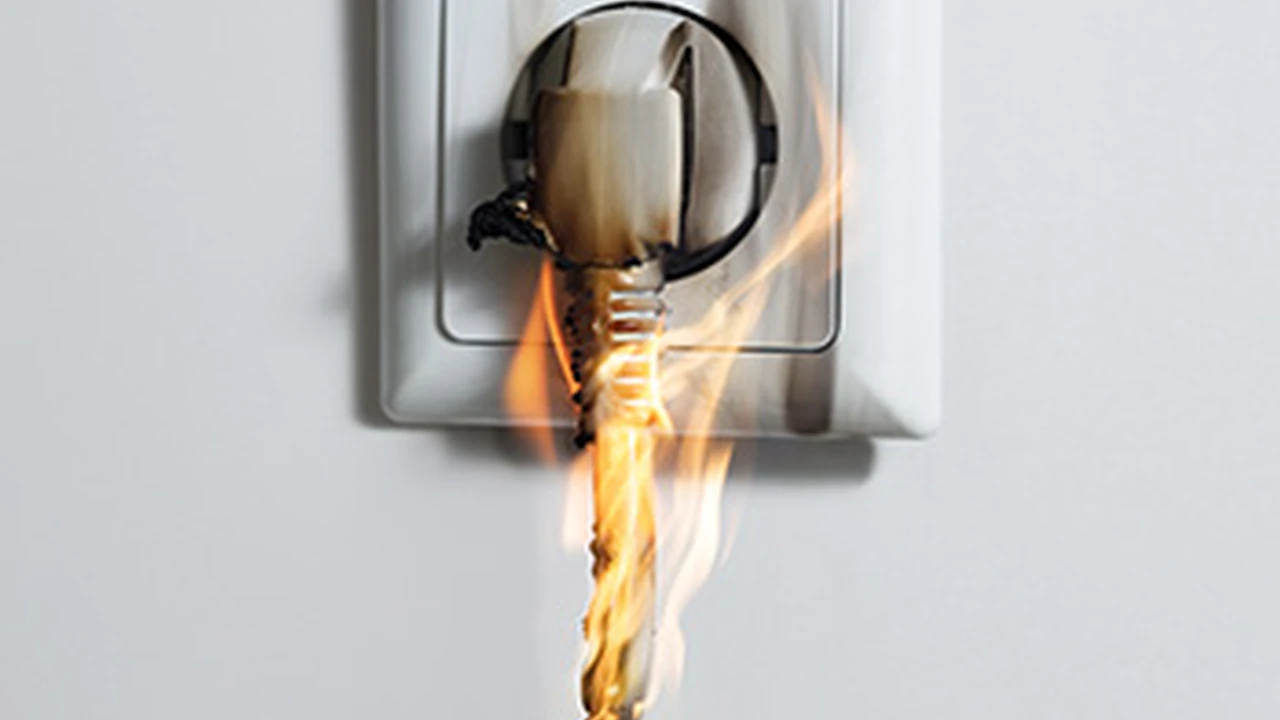
Imagine a faulty toaster that catches fire, a microwave that sparks, or a washing machine that floods your home. For these, you'll need:
- The appliance itself: Unplugged, untouched, and preserved.
- Photos/videos: Of the damage caused (fire, water, electrical burns), the appliance's condition, and the surrounding area.
- Purchase receipts: Essential for proving ownership.
- Manuals and warranty cards: To show intended use and any disclaimers.
- Repair records: If you had it repaired before, those records could show a history of issues.
Example Product Comparison: Let's say you bought a 'SparkleClean Dishwasher Model X' for $700, known for its quiet operation, but it developed an electrical short causing a small fire. You'd compare this to a 'ReliableWash Dishwasher Model Y' at $850, which has a better safety record and more robust wiring. The evidence would focus on the specific component that failed in the SparkleClean, perhaps a poorly insulated wire or a faulty control board, which an electrical engineer could identify. The 'ReliableWash' might have a higher price point but uses higher-grade components, making it a safer, albeit more expensive, option. Your evidence would highlight the design flaw in the SparkleClean that led to the incident, contrasting it with industry safety standards.
Unsafe Children's Toys and Products
These cases are particularly sensitive. Think about toys with small parts that pose a choking hazard, cribs with faulty latches, or car seats that don't protect as advertised.
- The toy/product: Crucial to show the defect (e.g., a broken part, a sharp edge).
- Packaging and age recommendations: To show if the product was used for the intended age group.
- Medical records: Especially important for documenting injuries to children, which can be severe.
- Witness statements: From parents or caregivers who observed the incident.
Example Product Comparison: Consider a 'TinyTots Teether Ring' priced at $15, marketed for infants 3-6 months, but made of a brittle plastic that can break into sharp pieces. You'd compare this to a 'SafeChew Silicone Teether' at $20, made from medical-grade, flexible silicone that's virtually indestructible. The evidence for the TinyTots would involve metallurgical analysis of the plastic to show its fragility, contrasting it with safety standards for infant products. The SafeChew, while slightly more expensive, offers superior material integrity and design, making it a safer choice. Your case would highlight the material defect in the TinyTots that made it unsafe for its intended use.
Defective Medical Devices and Pharmaceuticals
These are highly complex cases. Examples include faulty pacemakers, hip implants that fail prematurely, or medications with undisclosed severe side effects.
- The device itself: If it can be safely retrieved (e.g., an explanted hip replacement).
- All medical records: Including surgical reports, doctor's notes, and prescriptions.
- Pharmacy records: For medications, to prove you received the specific drug.
- Expert medical testimony: Absolutely essential to link the device/drug to your adverse health outcome.
- FDA/regulatory agency reports: Any recalls or warnings issued about the product.
Example Product Comparison: Let's say a 'FlexiJoint Hip Implant' (costing the hospital $5,000, but you pay a portion) failed prematurely due to metal-on-metal wear, causing severe pain and requiring revision surgery. You'd compare this to a 'BioFit Ceramic Hip Implant' (costing $7,000), which has a proven track record of durability and biocompatibility. Evidence for the FlexiJoint would include metallurgical analysis of the implant's components, showing excessive wear or corrosion, and expert medical testimony linking this failure to your specific health issues. The BioFit, though more expensive, offers a superior material and design, reducing the risk of such complications. Your claim would focus on the design or manufacturing defect of the FlexiJoint that led to its early failure.
Faulty Automotive Parts
This could be anything from defective airbags, brakes that fail, or tires that blow out unexpectedly.
- The faulty part: If it can be recovered from the vehicle.
- Vehicle repair records: To show maintenance history and any prior issues.
- Police reports and accident reconstruction: If the defect led to a crash.
- Witness statements: From passengers or other drivers.
- Manufacturer recalls: Check if the part or vehicle model has been subject to recalls.
Example Product Comparison: Imagine a 'SpeedStop Brake Pad Set' for $150, advertised as high-performance but prone to premature wear and sudden failure. You'd compare this to a 'GuardianGrip Brake Pad Set' at $250, known for its superior materials and consistent performance. Evidence for the SpeedStop would involve forensic analysis of the brake pads to show material defects or manufacturing flaws that led to their failure. An automotive engineer could provide expert testimony on how these pads failed to meet safety standards. The GuardianGrip, while pricier, offers enhanced safety and reliability, making it a better investment. Your case would highlight the manufacturing or design defect in the SpeedStop that compromised vehicle safety.
The Role of Documentation and Record Keeping
Throughout this entire process, meticulous documentation is your best friend. Think of yourself as a detective building a case file. Every piece of paper, every photo, every email – it all contributes to the bigger picture.
Maintaining a Detailed Log of Events
Start a journal or a digital log. Write down everything you remember about the incident: the date, time, location, how you were using the product, what happened, and who was present. Also, log all your medical appointments, conversations with doctors, calls with insurance companies, and any communication with the product manufacturer. Include dates, times, and the names of people you spoke with. This chronological record helps keep your story straight and ensures you don't forget crucial details.
Organizing All Collected Evidence
Create a system for organizing your evidence. Use folders (physical and digital) to categorize documents: medical records, purchase receipts, photos, correspondence, etc. Label everything clearly. This will make it much easier for your attorney to review your case and build a strong argument. Imagine trying to find one specific receipt among a pile of papers – organized evidence saves time and reduces stress.
Working with a Product Liability Attorney
While you can start collecting evidence on your own, a product liability attorney is indispensable. They know exactly what evidence is needed, how to obtain it, and how to present it effectively.
Legal Expertise in Evidence Discovery
Attorneys have legal tools at their disposal, like subpoenas, to obtain evidence that you might not be able to get on your own. This includes internal company documents, design specifications, testing results, and records of other complaints or lawsuits against the manufacturer. They can also depose company employees and expert witnesses. This 'discovery' phase is crucial for uncovering hidden defects or a pattern of negligence.
Connecting the Dots Between Defect and Injury
Your attorney will work with experts to establish the causal link between the product's defect and your injuries. This isn't always straightforward. For example, if a medication caused a rare side effect, proving that the drug was the direct cause requires sophisticated medical and scientific evidence. Your lawyer will coordinate these experts and integrate their findings into a cohesive legal argument.
Navigating Complex Legal Procedures
Product liability cases are often complex, involving multiple parties (manufacturer, distributor, retailer) and intricate legal procedures. Your attorney will handle all the legal filings, negotiations, and if necessary, represent you in court. They understand the nuances of product liability law, whether it's strict liability, negligence, or breach of warranty, and will tailor the case strategy accordingly.
Common Pitfalls to Avoid in Evidence Collection
Even with the best intentions, people sometimes make mistakes that can harm their product liability claim. Be aware of these common pitfalls:
Disposing of the Product or Packaging
As mentioned, this is a huge no-no. If you throw away the product, it becomes incredibly difficult to prove the defect. The defense will argue that you can't prove the product was defective if it's not available for examination.
Delaying Medical Treatment
Waiting to see a doctor can weaken your claim. The defense might argue that your injuries weren't severe enough to warrant immediate attention, or that something else caused your injuries in the interim. Prompt medical attention creates a clear timeline and links your injuries directly to the incident.
Attempting to Repair the Product
Modifying or attempting to repair the product can destroy crucial evidence of the original defect. It also allows the defense to argue that your alterations, not their defect, caused the injury. Leave the product exactly as it was after the incident.
Making Statements to Insurance Companies Without Legal Counsel
Insurance adjusters, even those for your own insurance, are looking out for their company's bottom line. They might try to get you to say something that could undermine your claim. It's always best to consult with your attorney before giving any recorded statements or signing any documents from insurance companies or the manufacturer.
Final Thoughts on Building Your Product Liability Case
Building a strong product liability case is a marathon, not a sprint. It requires diligence, patience, and a systematic approach to evidence collection. From the moment of injury, every action you take can either strengthen or weaken your claim. By meticulously preserving the product, documenting your injuries, gathering all relevant records, and seeking expert legal guidance, you significantly increase your chances of a successful outcome. Remember, you're not just fighting for compensation; you're also holding manufacturers accountable and potentially preventing similar injuries to others. So, take these steps seriously, and don't hesitate to reach out to a qualified product liability attorney who can guide you through this challenging process.
:max_bytes(150000):strip_icc()/277019-baked-pork-chops-with-cream-of-mushroom-soup-DDMFS-beauty-4x3-BG-7505-5762b731cf30447d9cbbbbbf387beafa.jpg)