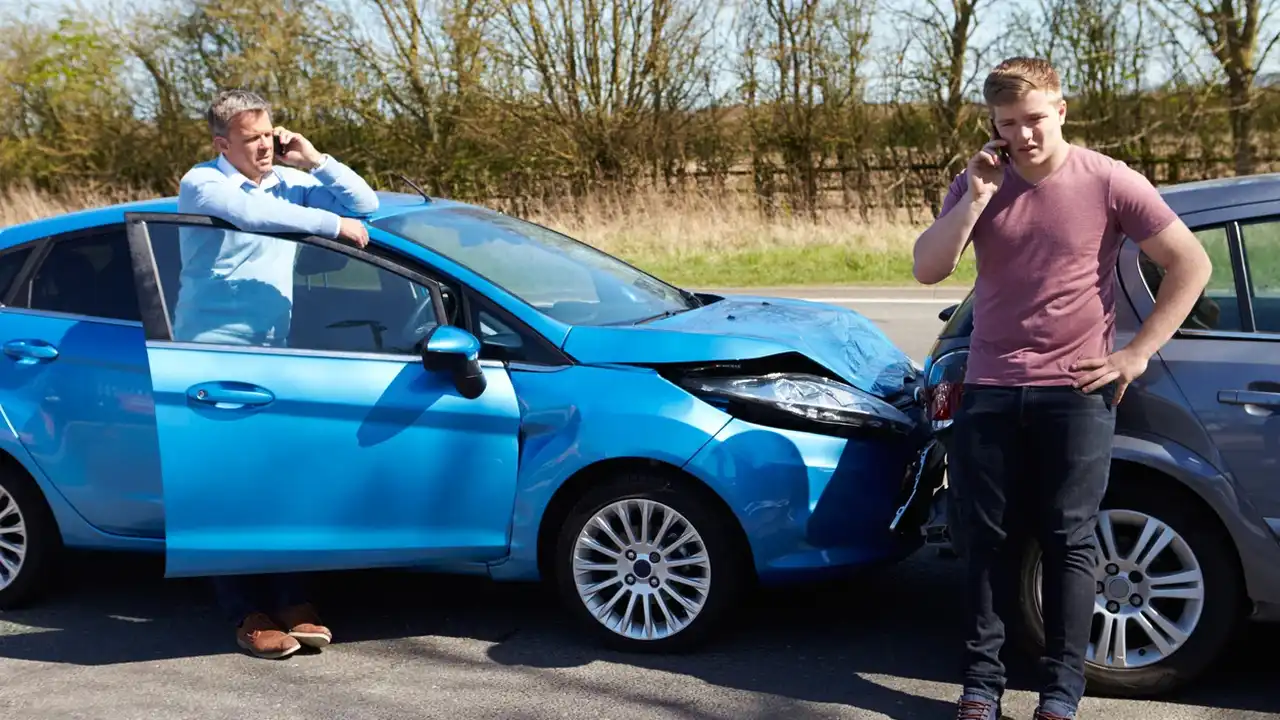
Pedestrian Accident Rights and Compensation
Know your rights and how to seek compensation after a pedestrian accident.
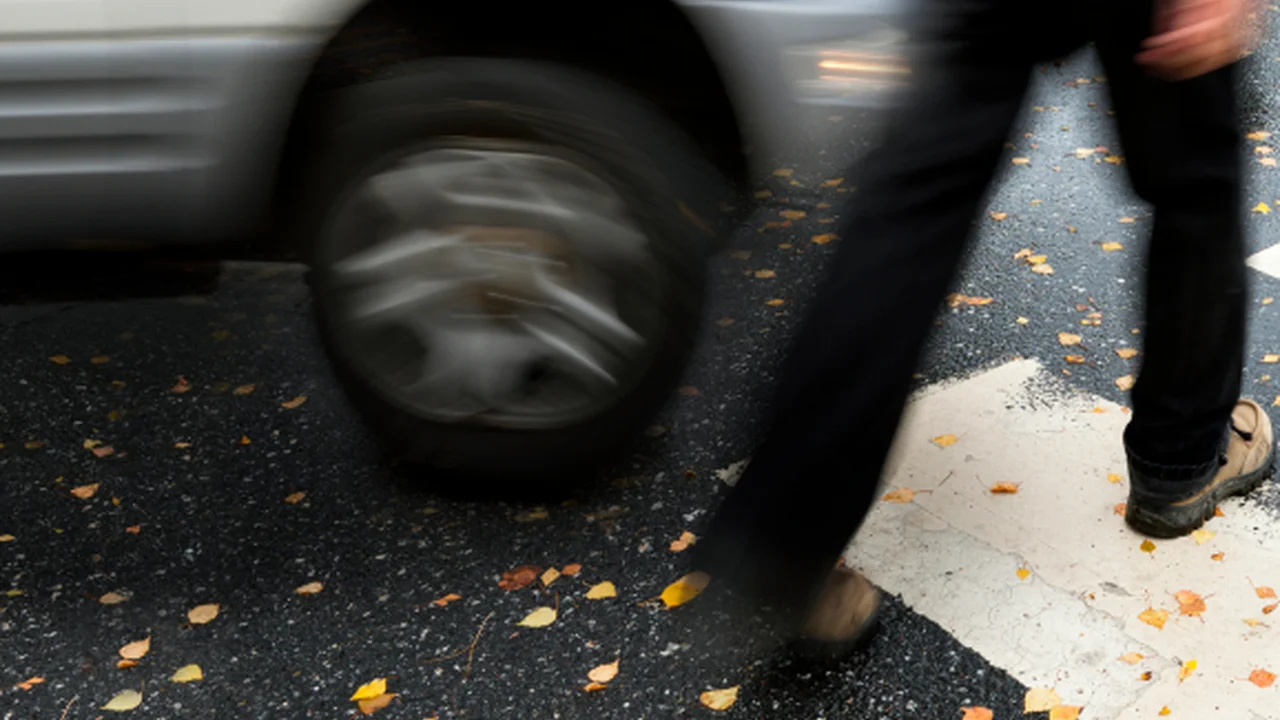
Know your rights and how to seek compensation after a pedestrian accident.
Pedestrian Accident Rights and Compensation Navigating Your Claim
Hey there! If you're reading this, chances are you or someone you know has been involved in a pedestrian accident. First off, let me say, that's a tough situation, and my heart goes out to you. Pedestrian accidents can be incredibly serious, often leading to significant injuries, medical bills, lost wages, and a whole lot of stress. But here's the good news: you're not alone, and you have rights. This guide is all about helping you understand those rights and how to pursue the compensation you deserve. We'll dive deep into what constitutes a pedestrian accident, the common causes, the types of injuries you might face, and most importantly, the legal steps you need to take. We'll also touch on some practical advice, like what gear can help prevent future accidents, and how different regions, specifically the USA and Southeast Asia, might handle these cases.
Understanding Pedestrian Accidents What You Need to Know
So, what exactly is a pedestrian accident? Simply put, it's any incident where a pedestrian (someone on foot, or using a skateboard, rollerblades, etc.) is hit by a motor vehicle. These aren't just fender-benders; they often involve significant force and can result in life-altering injuries. Unlike drivers who are protected by a metal shell, pedestrians are completely exposed, making them incredibly vulnerable. This vulnerability is a key factor in why pedestrian accident claims are often treated with serious consideration in the legal system.
Common Causes of Pedestrian Accidents Driver Negligence Factors
Most pedestrian accidents boil down to driver negligence. It's a sad truth, but many drivers simply aren't paying enough attention. Here are some of the usual suspects:
- Distracted Driving: This is a huge one. Texting, talking on the phone, eating, fiddling with the radio – anything that takes a driver's eyes or mind off the road can be catastrophic for a pedestrian.
- Failing to Yield: Drivers often fail to yield to pedestrians in crosswalks, at intersections, or when turning. It's a basic rule of the road, but frequently ignored.
- Speeding: Higher speeds mean less reaction time and a greater impact force. Even a slight increase in speed can dramatically increase the risk of severe injury or fatality for a pedestrian.
- Drunk or Drugged Driving: Impaired drivers have reduced reaction times, poor judgment, and often don't see pedestrians at all.
- Disregarding Traffic Signals: Running red lights or stop signs is incredibly dangerous for everyone, especially pedestrians who might be crossing with the right of way.
- Poor Visibility: While sometimes unavoidable, drivers have a responsibility to drive cautiously in low light, rain, or fog. Pedestrians also need to be visible, which we'll discuss later.
- Aggressive Driving: Road rage, tailgating, and weaving through traffic can put pedestrians at extreme risk.
Common Pedestrian Accident Injuries Medical and Financial Impact
The injuries from pedestrian accidents can range from severe to catastrophic. Because there's no protection, the human body takes the full brunt of the impact. Here are some common injuries:
- Head and Brain Injuries: Concussions, traumatic brain injuries (TBIs), skull fractures. These can have long-term cognitive and physical effects.
- Spinal Cord Injuries: Fractures, herniated discs, paralysis. These are often life-changing.
- Bone Fractures: Legs, arms, pelvis, ribs – almost any bone can be broken.
- Internal Injuries: Organ damage, internal bleeding. These can be life-threatening and require immediate medical attention.
- Lacerations and Abrasions: Deep cuts, road rash, and severe bruising.
- Soft Tissue Injuries: Sprains, strains, torn ligaments. While seemingly less severe, these can still cause chronic pain and long-term issues.
- Psychological Trauma: PTSD, anxiety, depression. The emotional toll of being hit by a car can be immense.
The financial impact of these injuries can be staggering. Medical bills can quickly pile up, from emergency room visits and surgeries to rehabilitation and ongoing therapy. Then there's the lost income if you're unable to work, and the potential for reduced earning capacity in the future. This is why seeking compensation is so crucial – it's not just about 'getting money,' it's about covering the very real costs of your recovery and future well-being.
Your Rights After a Pedestrian Accident Legal Protections
Okay, so you've been hit. What now? Knowing your rights is the first step to protecting yourself legally and financially. In most jurisdictions, especially in the USA, pedestrians generally have the right of way in marked crosswalks and often at unmarked intersections. Even if you weren't in a crosswalk, a driver still has a duty to exercise reasonable care to avoid hitting you.
Immediate Steps After a Pedestrian Accident Protecting Your Claim
What you do immediately after an accident can significantly impact your personal injury claim. It's a chaotic time, but try to remember these steps:
- Seek Medical Attention: This is paramount. Even if you feel okay, adrenaline can mask pain. Get checked out by paramedics or go to the emergency room. Your health is number one, and medical records are vital evidence.
- Call the Police: A police report creates an official record of the incident, which is incredibly helpful for your claim.
- Exchange Information: Get the driver's name, contact information, insurance details, and license plate number.
- Gather Evidence: If you can, take photos or videos of the accident scene, vehicle damage, your injuries, traffic signals, and any relevant road conditions. Look for witnesses and get their contact information.
- Do Not Admit Fault: Even if you think you might have been partly to blame, do not admit fault to anyone – the driver, police, or insurance adjusters. Let your lawyer handle that.
- Contact a Personal Injury Lawyer: Seriously, do this as soon as possible. They can guide you through the complex legal process and protect your rights.
Understanding Negligence and Liability Proving Your Case
To get compensation, you generally need to prove that the driver was negligent and that their negligence caused your injuries. This involves demonstrating:
- Duty of Care: The driver had a legal duty to drive safely and avoid harming others.
- Breach of Duty: The driver failed in that duty (e.g., they were speeding, distracted, or ran a red light).
- Causation: The driver's breach of duty directly caused your injuries.
- Damages: You suffered actual damages (medical bills, lost wages, pain and suffering) as a result.
This is where a good personal injury lawyer comes in. They'll investigate, gather evidence, and build a strong case to prove negligence.
Compensation You Can Seek Recovering Your Losses
So, what kind of compensation can you actually get? The goal of a personal injury claim is to make you 'whole' again, as much as money can. This means recovering both economic and non-economic damages.
Types of Damages Economic and Non-Economic Losses
- Economic Damages: These are quantifiable financial losses, such as:
- Medical expenses (past and future)
- Lost wages (past and future)
- Loss of earning capacity
- Property damage (e.g., if your phone or glasses were broken)
- Rehabilitation costs
- Home modifications for disability
- Non-Economic Damages: These are more subjective and harder to quantify but are very real losses, including:
- Pain and suffering
- Emotional distress
- Loss of enjoyment of life
- Disfigurement
- Loss of consortium (for spouses)
In some rare cases, if the driver's actions were particularly egregious (like extreme drunk driving), punitive damages might also be awarded. These aren't to compensate you but to punish the wrongdoer and deter similar behavior.
Calculating Your Pedestrian Accident Settlement Factors and Valuation
There's no magic formula for calculating a settlement, as every case is unique. However, several factors influence the value:
- Severity of Injuries: More severe and long-lasting injuries generally lead to higher settlements.
- Medical Expenses: The total cost of your medical treatment.
- Lost Wages: How much income you've lost and will lose.
- Impact on Quality of Life: How the injuries have affected your daily life, hobbies, and relationships.
- Clear Liability: How clear it is that the driver was at fault.
- Insurance Policy Limits: The maximum amount the at-fault driver's insurance will pay.
- Jurisdiction: Laws vary by state or country, which can affect potential compensation.
Your lawyer will use all this information, along with their experience, to estimate a fair settlement value and negotiate with the insurance company.
Pedestrian Accident Law USA vs Southeast Asia Regional Differences
It's important to remember that personal injury law isn't uniform across the globe. If you're in the USA, the laws will differ from those in Southeast Asian countries. Let's look at some general distinctions.
Legal Frameworks and Compensation Systems USA Perspective
In the USA, personal injury law is primarily governed by state laws. This means that what applies in California might be different from New York or Florida. Generally, the USA operates under a tort system, where the at-fault party is responsible for damages. Most states follow either a 'fault' or 'no-fault' system for car accidents, but pedestrian accidents often fall under general personal injury tort law, meaning you typically sue the at-fault driver.
- Contributory vs. Comparative Negligence: Some states have 'contributory negligence' (if you're even 1% at fault, you get nothing), while most have 'comparative negligence' (your compensation is reduced by your percentage of fault). This is a huge factor for pedestrians.
- Statute of Limitations: Each state has a strict deadline (usually 1-3 years) for filing a personal injury lawsuit. Miss it, and you lose your right to sue.
- Insurance Requirements: Drivers are legally required to carry liability insurance, which is the primary source of compensation.
Legal Frameworks and Compensation Systems Southeast Asia Perspective
Southeast Asia is a diverse region, and laws vary significantly from country to country (e.g., Thailand, Vietnam, Malaysia, Indonesia, Philippines). Generally, many countries in Southeast Asia also operate on a fault-based system, similar to the USA, where the negligent party is liable. However, there can be key differences:
- Enforcement and Corruption: Unfortunately, in some countries, enforcement of traffic laws can be lax, and corruption can sometimes influence legal outcomes.
- Lower Compensation Caps: Compensation amounts for personal injury, especially non-economic damages, might be significantly lower than in the USA.
- Insurance Penetration: While insurance is often mandatory, the coverage limits might be lower, and the process for claiming can be more bureaucratic and time-consuming.
- Cultural Factors: In some cultures, there might be a greater emphasis on mediation or traditional dispute resolution rather than aggressive litigation.
- Legal Representation: Access to experienced personal injury lawyers specializing in pedestrian accidents might be more limited or structured differently.
If you're involved in an accident in Southeast Asia, it's absolutely critical to consult with a local lawyer who understands the specific laws and cultural nuances of that country.
Preventing Pedestrian Accidents Safety Tips and Gear
While you can't control every driver, you can take steps to protect yourself. Being a proactive pedestrian is key to reducing your risk.
Best Practices for Pedestrian Safety Staying Alert
- Be Visible: Especially at night or in low light, wear bright clothing. Reflective gear is your best friend.
- Use Crosswalks: Always use marked crosswalks and obey pedestrian signals. If there isn't one, find the safest place to cross.
- Make Eye Contact: Before stepping into a crosswalk, make eye contact with drivers to ensure they see you.
- Avoid Distractions: Put away your phone, take out your headphones, and pay attention to your surroundings.
- Walk Against Traffic: If there's no sidewalk, walk on the side of the road facing oncoming traffic so you can see vehicles approaching.
- Be Predictable: Don't dart out into traffic. Walk in a straight line and avoid sudden movements.
- Be Sober: Just like drivers, pedestrians can be impaired by alcohol or drugs, increasing their risk.
Recommended Safety Gear for Pedestrians Products and Comparisons
Investing in some good safety gear can make a real difference, especially if you walk or run frequently. Here are a few categories and some product recommendations:
Reflective Vests and Apparel Enhancing Visibility
These are essential for night-time or low-light visibility. They make you stand out to drivers from a distance.
- Nathan Streak Reflective Vest:
- Description: A lightweight, comfortable vest with 360-degree reflectivity. It's designed for runners but great for any pedestrian. Easy to put on and take off.
- Use Case: Evening walks, early morning runs, dog walking.
- Comparison: More comfortable and less bulky than some industrial-style vests. Offers good breathability.
- Price Range: $25 - $40 USD.
- Road ID Reflective Apparel:
- Description: Offers a range of reflective shirts, jackets, and armbands. Many also incorporate their ID tags, which is a bonus for emergencies.
- Use Case: Everyday wear for active individuals, providing both visibility and emergency identification.
- Comparison: Higher quality fabric than basic vests, often more stylish. The integrated ID is a unique safety feature.
- Price Range: $30 - $100+ USD depending on the item.
- Generic High-Visibility Safety Vest:
- Description: Often bright yellow or orange with reflective strips. Simple, effective, and affordable.
- Use Case: Budget-friendly option for occasional use, construction zones, or as a backup.
- Comparison: Less comfortable and stylish than specialized athletic gear, but highly effective for visibility.
- Price Range: $5 - $15 USD.
LED Lights and Wearables Active Illumination
Beyond just reflecting light, active lights emit their own light, making you even more noticeable.
- Nathan StrobeLight LED Clip:
- Description: Small, powerful LED light that clips onto clothing, bags, or shoes. Multiple light modes (steady, flashing).
- Use Case: Attaching to a backpack, hat, or arm for added visibility in very dark conditions.
- Comparison: Very versatile due to its clip design. Brighter than passive reflectors alone.
- Price Range: $10 - $20 USD.
- Knuckle Lights:
- Description: Lights that fit over your knuckles, illuminating the path in front of you and making you visible from the front.
- Use Case: Running or walking in unlit areas where you need to see the ground and be seen by oncoming traffic.
- Comparison: Unique hand-held design provides forward illumination, unlike most clip-on lights.
- Price Range: $40 - $60 USD per pair.
- LED Armbands/Ankle Bands:
- Description: Straps with integrated LEDs that wrap around your arm or ankle. Often rechargeable.
- Use Case: Providing moving points of light, which can be more attention-grabbing for drivers.
- Comparison: More comfortable than holding a flashlight, and provides 360-degree visibility if worn on both sides.
- Price Range: $15 - $30 USD per pair.
Personal Safety Alarms Deterrence and Alerting
While not directly preventing a collision, these can be useful for alerting others in an emergency or deterring potential threats.
- SABRE Personal Safety Alarm:
- Description: A small, loud alarm (often 120dB+) that can be activated with a pull pin.
- Use Case: Feeling unsafe, attracting attention after an accident, or deterring an attacker.
- Comparison: Simple, effective, and doesn't require a phone. Much louder than yelling.
- Price Range: $10 - $20 USD.
Remember, no amount of gear can replace vigilance and common sense. Always be aware of your surroundings, and never assume a driver sees you.
Hiring a Pedestrian Accident Lawyer Your Best Advocate
After a pedestrian accident, dealing with insurance companies, medical bills, and legal jargon can be overwhelming. This is where a personal injury lawyer specializing in pedestrian accidents becomes your most valuable asset.
Why You Need a Pedestrian Accident Attorney Expert Guidance
- Legal Expertise: They understand the complex laws, statutes of limitations, and legal procedures.
- Investigation: They'll gather evidence, interview witnesses, obtain police reports, and reconstruct the accident if necessary.
- Negotiation Skills: Insurance companies are not on your side. A lawyer will negotiate aggressively for a fair settlement.
- Litigation: If a fair settlement can't be reached, they're prepared to take your case to court.
- Medical Connections: They often have connections with medical professionals who can provide expert testimony.
- Peace of Mind: They handle the legal burden, allowing you to focus on your recovery.
Choosing the Right Lawyer Key Considerations
When looking for a lawyer, consider these points:
- Experience: Look for someone with a proven track record in pedestrian accident cases.
- Specialization: A lawyer who focuses on personal injury, specifically pedestrian accidents, will be more knowledgeable.
- Contingency Fee: Most personal injury lawyers work on a contingency basis, meaning you don't pay unless they win your case.
- Communication: Choose a lawyer who communicates clearly and keeps you informed.
- Reputation: Check reviews and ask for references.
Don't hesitate to schedule a free consultation with a few different lawyers to find the best fit for your situation. Your recovery and future depend on it.
:max_bytes(150000):strip_icc()/277019-baked-pork-chops-with-cream-of-mushroom-soup-DDMFS-beauty-4x3-BG-7505-5762b731cf30447d9cbbbbbf387beafa.jpg)