What to do and your legal options if you've been injured by a recalled product.
What to do and your legal options if you've been injured by a recalled product. It's a scenario no one wants to face: you buy a product, trust it to be safe, and then discover it's been recalled because it poses a danger. Even worse, you or a loved one might have already suffered an injury because of that defective product. This isn't just an inconvenience; it's a serious personal injury matter with significant legal implications. Understanding your rights and the steps you can take is crucial, especially when dealing with complex product liability laws.
Recalled Products Your Legal Options
Understanding Product Recalls What They Mean for You
Product recalls are issued when a manufacturer or a government agency discovers that a product is unsafe or defective. This could be due to a design flaw, a manufacturing error, or inadequate warnings and instructions. When a recall happens, it's a public acknowledgment that the product carries a risk of harm. For consumers, this means two things: first, stop using the product immediately, and second, understand that if you've been injured, you likely have a legal claim.
Recalls can be voluntary, initiated by the manufacturer, or mandatory, ordered by regulatory bodies like the Consumer Product Safety Commission (CPSC) in the USA or similar agencies in Southeast Asian countries. Regardless of how a recall is initiated, the underlying principle is the same: the product is dangerous, and consumers need to be protected.
Common Types of Recalled Products and Associated Injuries
Recalls aren't limited to one type of product. They span a vast range of consumer goods, from children's toys to automotive parts, and from medical devices to household appliances. Each category carries its own set of potential injuries and legal complexities.
Children's Products Recalls and Child Safety
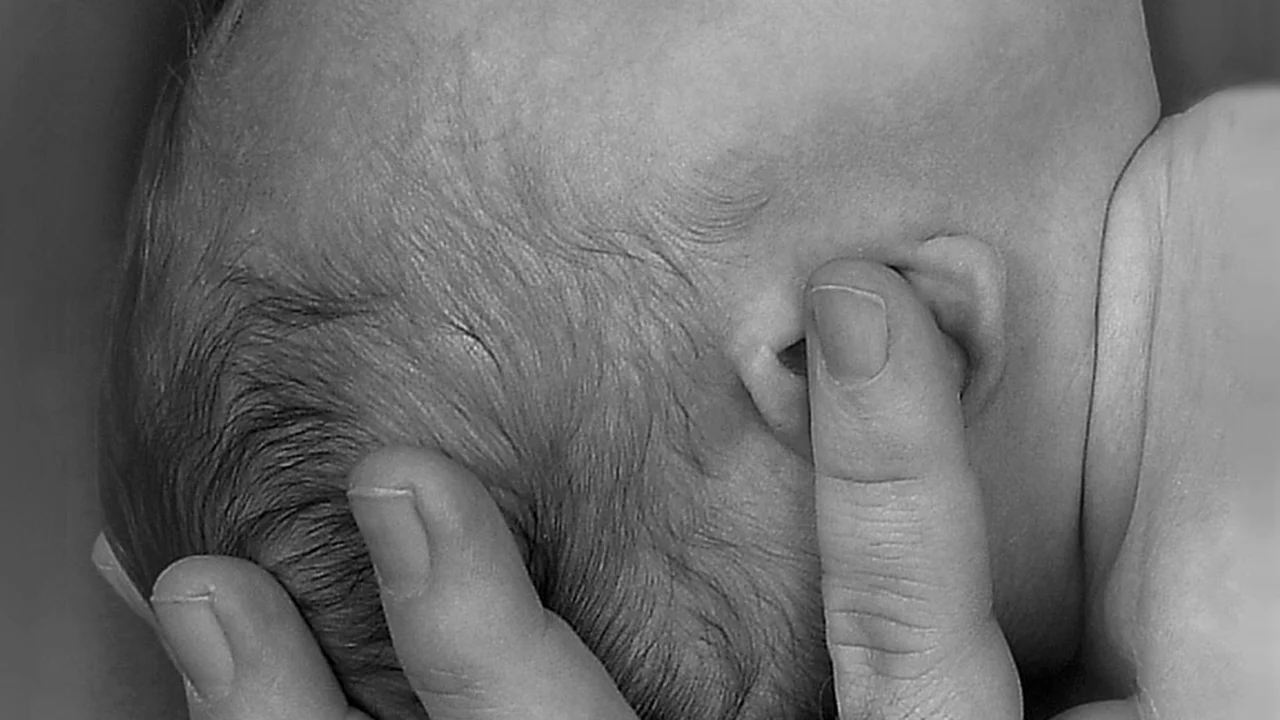
Children's products are frequently recalled due to choking hazards, lead paint, entanglement risks, or structural failures. Injuries can range from minor cuts and bruises to severe brain injuries, suffocation, or even death. For example, certain cribs have been recalled due to faulty drop-side mechanisms leading to infant entrapment and strangulation. Similarly, toys with small, detachable parts can pose a choking risk for toddlers. When a child is injured by a recalled product, the emotional and financial toll on families can be immense, making legal recourse even more critical.
Automotive Recalls Vehicle Defects and Accidents
Automotive recalls are common and can involve anything from faulty airbags (like the widespread Takata airbag recall) to defective brakes, steering components, or ignition switches. These defects can lead to serious car accidents, resulting in catastrophic injuries or fatalities. Imagine a scenario where your car's brakes fail unexpectedly, causing a collision. If those brakes were part of a known recall, your personal injury claim against the manufacturer would be significantly strengthened.
Medical Device Recalls Patient Harm and Malpractice
Medical devices, such as pacemakers, hip implants, or surgical mesh, are designed to improve health but can cause severe harm if defective. Recalls in this sector often involve devices that malfunction, break, or cause adverse reactions within the body. Injuries can include chronic pain, infection, organ damage, or the need for revision surgeries. The legal landscape for medical device recalls can be particularly complex, often involving both product liability and medical malpractice claims.
Household Appliance Recalls Fire Hazards and Electrocution
Appliances like washing machines, dishwashers, or dehumidifiers can be recalled due to fire hazards, electrical shock risks, or gas leaks. These defects can lead to property damage, severe burns, electrocution, or carbon monoxide poisoning. A defective refrigerator, for instance, could overheat and start a house fire, causing extensive damage and potential injury to residents.
Your First Steps After Injury from a Recalled Product
If you or a loved one has been injured by a product that you later discover was recalled, your immediate actions are crucial for both your health and any potential legal claim.
Seek Immediate Medical Attention Prioritizing Your Health
Your health is paramount. Even if you think your injury is minor, seek medical attention immediately. Some injuries may not manifest symptoms right away, and a medical professional can properly diagnose and document your condition. This medical record will be vital evidence in any future personal injury claim.
Preserve the Product and All Documentation Evidence is Key
Do not discard the recalled product, its packaging, instruction manuals, or any receipts. This product is critical evidence. If possible, take photos or videos of the product, the defect, and your injuries. Keep all correspondence related to the purchase and the recall notice. The more evidence you have, the stronger your case will be.
Document Everything Keep Detailed Records
Maintain a detailed log of your injuries, medical treatments, medications, lost wages, and any other expenses incurred due to the injury. Keep a journal of how the injury has impacted your daily life. This comprehensive documentation will help your personal injury lawyer build a robust claim.
Legal Options for Victims of Recalled Products
When a recalled product causes injury, you generally have several legal avenues to pursue compensation. These fall under the umbrella of product liability law.
Product Liability Claims Understanding the Basis
Product liability law holds manufacturers, distributors, and retailers responsible for placing defective products into the hands of consumers. There are typically three main types of defects that can lead to a product liability claim:
* Manufacturing Defects: These occur when a product deviates from its intended design during production. For example, a batch of car tires where the rubber compound was improperly mixed, leading to blowouts.
* Design Defects: These exist when the product's design itself is inherently dangerous, even if manufactured perfectly. An example might be a power tool designed without a necessary safety guard, making it dangerous to operate.
* Warning Defects (Failure to Warn): This occurs when a product lacks adequate warnings or instructions about non-obvious dangers. For instance, a medication that doesn't clearly list all potential severe side effects.
Strict Liability vs Negligence What's the Difference
In many jurisdictions, particularly in the USA, product liability cases can proceed under a theory of 'strict liability.' This means you don't necessarily have to prove that the manufacturer was negligent; you only need to prove that the product was defective and that the defect caused your injury. This simplifies the legal process for victims. In other regions, or for certain types of claims, you might need to prove negligence, demonstrating that the manufacturer failed to exercise reasonable care in the product's design, manufacture, or marketing.
Class Action Lawsuits Joining Forces with Other Victims
If a recalled product has injured many people, a class-action lawsuit might be initiated. In a class action, a group of individuals with similar claims against the same defendant (the manufacturer) collectively pursue legal action. This can be an effective way to seek compensation, as it pools resources and strengthens the collective bargaining power of victims. Your personal injury lawyer can advise if joining a class action is the best approach for your specific situation.
Comparing Legal Systems USA vs Southeast Asia for Recalled Products
The legal landscape for product liability and recalled products can vary significantly between the USA and Southeast Asian countries. Understanding these differences is crucial if you're considering legal action.
USA Product Liability Strong Consumer Protections
The USA generally has robust consumer protection laws and a well-established framework for product liability. Strict liability is common, making it easier for injured consumers to recover damages. Damages can include medical expenses, lost wages, pain and suffering, and in some cases, punitive damages designed to punish the manufacturer for egregious conduct. The legal process can be lengthy and complex, often involving extensive discovery and expert testimony.
Southeast Asia Product Liability Evolving Frameworks
Product liability laws in Southeast Asian countries are often newer and can be more varied. Some countries, like Singapore and Malaysia, have specific product liability acts, while others rely on general contract or tort law principles. The concept of strict liability may not be as universally applied as in the USA, and proving negligence might be a more common requirement. Compensation for pain and suffering might also be more limited compared to US standards. However, consumer protection is a growing focus in the region, and legal frameworks are continually evolving. It's essential to consult with a personal injury lawyer who has expertise in the specific country's laws where the injury occurred or where the product was purchased.
Specific Recalled Products and Their Impact A Closer Look
Let's delve into some hypothetical (but realistic) examples of recalled products, their potential injuries, and how a personal injury claim might proceed. While these are illustrative, they highlight the complexities involved.
Example 1 The 'SparkleClean' Dishwasher Fire Hazard
Imagine a popular dishwasher, the 'SparkleClean 5000,' was recalled due to a manufacturing defect in its heating element, causing it to overheat and pose a significant fire risk. Several consumers reported house fires, leading to property damage and severe burn injuries.
* Product: SparkleClean 5000 Dishwasher
* Defect: Manufacturing defect in heating element leading to overheating and fire.
* Injuries: Second and third-degree burns, smoke inhalation, property damage.
* Scenario: A family purchased the SparkleClean 5000. One evening, while the dishwasher was running, it caught fire, quickly spreading through the kitchen. The homeowner suffered severe burns trying to extinguish the flames and smoke inhalation. The house sustained significant damage.
* Legal Options: The homeowner could pursue a product liability claim against the dishwasher manufacturer. Given the clear manufacturing defect and the recall, proving liability would be straightforward under strict liability. Damages would include medical expenses for burn treatment, lost wages during recovery, property repair costs, and compensation for pain and suffering. A personal injury lawyer would gather evidence, including the recalled dishwasher, fire department reports, medical records, and property damage assessments.
Example 2 The 'AeroGlide' Stroller Entrapment Risk
Consider the 'AeroGlide' baby stroller, recalled because its folding mechanism could unexpectedly collapse, trapping a child and causing injury. This design flaw led to several reports of children suffering fractures and head injuries.
* Product: AeroGlide Baby Stroller
* Defect: Design defect in folding mechanism causing unexpected collapse.
* Injuries: Fractures, head injuries, lacerations.
* Scenario: A parent was using the AeroGlide stroller with their infant. While walking, the stroller suddenly collapsed, causing the infant to fall and suffer a fractured arm and a minor concussion. The parent later discovered the stroller was part of a recall due to this exact issue.
* Legal Options: The parent could file a product liability claim based on a design defect. The recall notice itself would be strong evidence of the defect. A personal injury lawyer would help document the child's injuries, medical treatments, and any related expenses. Compensation would cover medical bills, pain and suffering for the child, and potentially emotional distress for the parent.
Example 3 The 'MediHeal' Hip Implant Premature Failure
Let's look at a medical device, the 'MediHeal' hip implant, which was recalled after numerous patients reported premature failure, requiring painful and costly revision surgeries.
* Product: MediHeal Hip Implant
* Defect: Manufacturing or design defect leading to premature wear and failure.
* Injuries: Chronic pain, infection, need for revision surgery, limited mobility.
* Scenario: A patient received a MediHeal hip implant. Within two years, they experienced severe pain and mobility issues. X-rays revealed the implant was failing, necessitating a second, complex surgery to replace it. The patient later learned the MediHeal implant had been recalled.
* Legal Options: This would likely involve a product liability claim against the medical device manufacturer. Given the recall, proving the defect would be less challenging. Damages would include the cost of the initial and revision surgeries, ongoing medical care, lost income due to recovery periods, and significant compensation for pain and suffering and diminished quality of life. These cases often become part of larger multi-district litigations (MDLs) or class actions due to the number of affected patients.
The Role of a Personal Injury Lawyer in Recalled Product Cases
Navigating a personal injury claim involving a recalled product can be incredibly complex. This is where an experienced personal injury lawyer becomes indispensable.
Expertise in Product Liability Law Your Advocate
Product liability law is a specialized field. A personal injury lawyer with expertise in this area understands the nuances of strict liability, negligence, design defects, manufacturing defects, and failure to warn claims. They know how to investigate recalls, identify responsible parties, and build a compelling case.
Investigation and Evidence Collection Building Your Case
Your lawyer will conduct a thorough investigation, gathering all necessary evidence. This includes obtaining recall notices, expert reports on the product's defect, your medical records, witness statements, and any other documentation to support your claim. They will also assess the full extent of your damages, both economic and non-economic.
Negotiation with Manufacturers and Insurers Maximizing Your Compensation
Manufacturers and their insurance companies have vast resources and experienced legal teams. Your personal injury lawyer will act as your advocate, negotiating on your behalf to ensure you receive fair compensation. They understand the tactics used by these large corporations and will fight to protect your rights.
Litigation When a Settlement Isn't Enough
If a fair settlement cannot be reached through negotiation, your lawyer will be prepared to take your case to court. They will represent you throughout the litigation process, from filing the lawsuit to presenting your case at trial, if necessary.
Statute of Limitations Don't Delay Your Claim
It's crucial to be aware of the 'statute of limitations' – the legal deadline for filing a personal injury lawsuit. These deadlines vary significantly by jurisdiction (state in the USA, or country in Southeast Asia) and by the type of claim. If you miss this deadline, you could lose your right to seek compensation, regardless of the strength of your case. For recalled product injuries, the clock often starts ticking from the date of injury or the date you discovered the injury and its connection to the product. Do not delay; consult with a personal injury lawyer as soon as possible after an injury from a recalled product.
Choosing the Right Personal Injury Lawyer for Recalled Product Cases
Selecting the right legal representation is a critical decision. Look for a personal injury lawyer who:
* Has a proven track record in product liability cases.
* Offers a free initial consultation to discuss your case.
* Works on a contingency fee basis, meaning you only pay if they win your case.
* Is knowledgeable about the specific laws in your jurisdiction (USA or relevant Southeast Asian country).
* Communicates clearly and keeps you informed throughout the process.
Being injured by a recalled product is a distressing experience, but you don't have to face it alone. Understanding your legal options and acting promptly can make a significant difference in securing the compensation you deserve and holding negligent manufacturers accountable.
:max_bytes(150000):strip_icc()/277019-baked-pork-chops-with-cream-of-mushroom-soup-DDMFS-beauty-4x3-BG-7505-5762b731cf30447d9cbbbbbf387beafa.jpg)