Sidewalk Slip and Fall Claims Your Rights
Know your rights and how to seek compensation after a slip and fall on a public or private sidewalk.
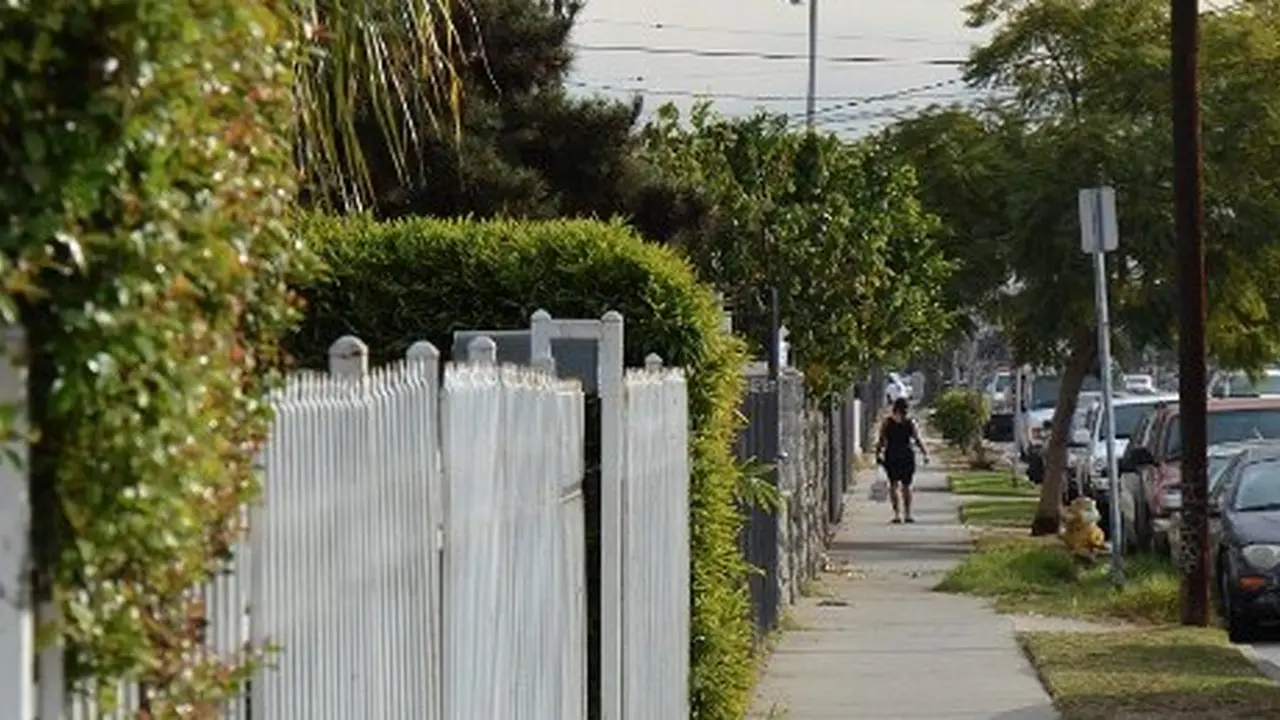
Know your rights and how to seek compensation after a slip and fall on a public or private sidewalk.
Sidewalk Slip and Fall Claims Your Rights
Hey there! Ever been walking down the street, minding your own business, and suddenly – BAM! – you're on the ground? A cracked sidewalk, an uneven slab, or maybe some unexpected debris sends you sprawling. It's not just embarrassing; it can be seriously painful and lead to significant injuries. If this has happened to you, especially on a sidewalk, you might be wondering what your options are. Can you get compensation? Who's even responsible? Let's dive into your rights and how to navigate a sidewalk slip and fall claim, whether it's on public property or a private path.
Understanding Sidewalk Slip and Fall Accidents and Liability
First things first, what exactly constitutes a 'slip and fall' on a sidewalk? It's pretty straightforward: you lose your footing and fall due to a hazardous condition on the walking surface. The key here is the 'hazardous condition.' This isn't about you just being clumsy; it's about someone else's negligence in maintaining the sidewalk. The big question then becomes: who owns and maintains that sidewalk? This is where things can get a little tricky, as liability can vary significantly depending on whether it's a public sidewalk or one on private property.
Public Sidewalk Slip and Fall Claims Navigating Government Entities
When you slip and fall on a public sidewalk, you're generally dealing with a government entity – a city, county, or state. This immediately adds a layer of complexity. Government entities often have what's called 'sovereign immunity,' which protects them from lawsuits unless they waive that immunity under specific circumstances. This means there are usually very strict rules and deadlines for filing a claim against them. For example, in many parts of the USA, you might have a much shorter window (sometimes as little as 30 to 90 days) to file a 'notice of claim' compared to a standard personal injury lawsuit. Missing this deadline can completely bar your claim, no matter how strong your case is. It's crucial to act fast!
The government's responsibility usually revolves around maintaining the sidewalk in a reasonably safe condition. This includes fixing cracks, potholes, uneven sections, and removing hazards like excessive ice or snow (though this can vary by jurisdiction). They're generally not expected to fix every tiny imperfection, but they are expected to address significant dangers they knew about, or should have known about, and failed to fix within a reasonable time.
Private Sidewalk Slip and Fall Claims Property Owner Responsibility
If your slip and fall happens on a sidewalk that's part of private property – think a path leading up to a store, an apartment complex, or a private residence – the rules are usually more aligned with general premises liability law. Here, the property owner (or sometimes the tenant) has a duty to maintain their property in a reasonably safe condition for visitors. This means they need to inspect their sidewalks, identify potential hazards, and either fix them or warn visitors about them. This could include things like broken pavement, poor lighting, or even spills that aren't cleaned up promptly.
The level of duty owed can sometimes depend on your status as a visitor (e.g., invitee, licensee, or trespasser), but for most people walking on a private sidewalk, you'd be considered an invitee or licensee, meaning the property owner owes you a high duty of care. Proving negligence here often involves showing that the owner knew or should have known about the hazard and failed to take reasonable steps to address it.
Common Causes of Sidewalk Slip and Fall Accidents and Injuries
Sidewalks, despite seeming innocuous, can harbor a surprising number of dangers. Understanding these common causes can help you identify if your fall was due to negligence:
- Uneven Pavement and Cracks: This is probably the most frequent culprit. Tree roots, ground shifting, or poor construction can lead to significant height differences between slabs or large, deep cracks.
- Potholes and Depressions: Similar to uneven pavement, these can be hidden by shadows or water, creating unexpected traps.
- Slippery Surfaces: This includes ice, snow, standing water, spilled liquids (especially near businesses), or even wet leaves.
- Poor Lighting: At night, inadequate lighting can obscure hazards, making it impossible to see where you're stepping.
- Obstructions and Debris: Construction materials, discarded items, or even overgrown vegetation can create tripping hazards.
- Missing or Damaged Grates/Covers: Utility covers that are loose, missing, or improperly installed can lead to falls.
The injuries from these falls can range from minor scrapes and bruises to severe, life-altering conditions. Common injuries include:
- Fractures (wrists, ankles, hips, arms)
- Sprains and strains
- Head injuries, including concussions
- Back and spinal cord injuries
- Cuts and lacerations
- Soft tissue damage
Steps to Take After a Sidewalk Slip and Fall Accident Protecting Your Claim
What you do immediately after a fall can significantly impact your ability to pursue a successful claim. Here's a crucial checklist:
- Seek Medical Attention: Your health is paramount. Even if you feel fine, some injuries (like concussions) might not be immediately apparent. Get checked out by a doctor. This also creates an official record of your injuries, which is vital for your claim.
- Document the Scene: If you can, take photos and videos of everything. Get multiple angles of the hazard that caused your fall, the surrounding area, and any warning signs (or lack thereof). Note the date, time, and weather conditions.
- Gather Witness Information: If anyone saw you fall, get their names and contact information. Their testimony can be incredibly valuable.
- Report the Incident: If it happened on private property (like a store), report it to the manager or owner immediately and ask for an incident report. If it's public property, try to identify the responsible government agency and report it.
- Preserve Evidence: Keep the shoes and clothing you were wearing. Don't try to 'fix' the hazard yourself.
- Avoid Making Statements: Don't admit fault or give recorded statements to insurance companies without consulting an attorney.
- Contact a Personal Injury Lawyer: This is perhaps the most important step, especially with the complexities of government claims or proving negligence against private owners.
Calculating Compensation for Sidewalk Slip and Fall Injuries What to Expect
If your claim is successful, you could be compensated for various damages. These generally fall into two categories:
Economic Damages Recovering Financial Losses
These are quantifiable financial losses directly resulting from your injury:
- Medical Expenses: This includes emergency room visits, doctor appointments, surgeries, medications, physical therapy, and future medical care.
- Lost Wages: Any income you lost because you couldn't work due to your injury, including future lost earning capacity if your injury is long-term.
- Property Damage: If anything you were carrying was damaged in the fall (e.g., a phone, glasses).
- Out-of-Pocket Expenses: Costs like transportation to medical appointments, assistive devices (crutches, wheelchairs), or home modifications.
Non-Economic Damages Addressing Pain and Suffering
These are more subjective and compensate you for the non-financial impact of your injury:
- Pain and Suffering: Compensation for the physical pain and emotional distress caused by the injury.
- Emotional Distress: Anxiety, depression, fear, or PTSD resulting from the accident.
- Loss of Enjoyment of Life: If your injuries prevent you from participating in hobbies or activities you once enjoyed.
- Loss of Consortium: In some cases, a spouse can claim damages for the loss of companionship or intimacy due to the injured partner's condition.
The exact amount of compensation varies wildly depending on the severity of your injuries, the strength of your evidence, and the laws of the jurisdiction. An experienced personal injury lawyer can help you accurately assess the potential value of your claim.
Sidewalk Slip and Fall Law USA vs Southeast Asia Key Differences
It's important to remember that personal injury law, including premises liability, can differ significantly between countries and even within states in the USA. If you're considering a claim, understanding these regional nuances is critical.
USA Sidewalk Slip and Fall Legal Framework
In the USA, premises liability laws are primarily state-specific. While the general principles of negligence apply, details like the statute of limitations, the duty of care owed to different types of visitors, and rules regarding government immunity can vary. For instance, some states might have 'comparative negligence' laws, where your compensation can be reduced if you are found partially at fault for your fall. Others might have 'contributory negligence,' which could bar your claim entirely if you're found even 1% at fault. The notice requirements for suing government entities are also highly localized.
Southeast Asia Sidewalk Slip and Fall Legal Framework
In Southeast Asian countries, the legal landscape for slip and fall claims can be quite different. Many countries in this region operate under civil law systems, which can have different procedural rules and approaches to damages compared to the common law system prevalent in the USA. For example, the concept of 'duty of care' might be interpreted differently, and the process for suing government entities or private landowners could involve different administrative steps or legal precedents. Compensation amounts might also be influenced by local economic factors and legal traditions. It's highly advisable to consult with a local attorney who specializes in personal injury law in the specific Southeast Asian country where the incident occurred.
Hiring a Sidewalk Slip and Fall Lawyer When to Call
You might be thinking, 'Do I really need a lawyer for a fall?' The answer is almost always yes, especially if your injuries are more than minor scrapes. Here's why:
- Navigating Complex Laws: As discussed, premises liability and government immunity laws are intricate. A lawyer understands these complexities.
- Proving Negligence: It's not enough to just fall; you need to prove the property owner was negligent. A lawyer knows what evidence is needed and how to gather it.
- Dealing with Insurance Companies: Insurance adjusters are trained to minimize payouts. A lawyer will protect your interests and negotiate on your behalf.
- Meeting Deadlines: Especially with government claims, deadlines are strict. A lawyer ensures all paperwork is filed correctly and on time.
- Maximizing Compensation: Lawyers have experience valuing claims and fighting for the full compensation you deserve.
It's best to contact a lawyer as soon as possible after you've received medical attention. The sooner they get involved, the better they can preserve evidence and build a strong case for you.
Preventing Sidewalk Slip and Fall Accidents Practical Tips
While you can't control every sidewalk, you can take steps to reduce your risk:
- Wear Appropriate Footwear: Shoes with good traction can make a big difference, especially in wet or icy conditions.
- Pay Attention to Your Surroundings: Avoid distractions like your phone. Look where you're going!
- Report Hazards: If you see a dangerous sidewalk condition, report it to the relevant city department or property owner.
- Use Handrails: If available, use handrails on steps or inclines.
- Walk Slowly in Poor Conditions: Take smaller, deliberate steps when sidewalks are wet, icy, or uneven.
Recommended Products for Sidewalk Safety and Recovery
While prevention is key, sometimes accidents happen. Here are a few product categories that can aid in safety or recovery, along with some examples:
For Enhanced Traction and Stability
These products are great for preventing falls, especially in challenging weather or on uneven surfaces.
1. Ice Grips and Traction Cleats for Shoes
Use Case: Essential for walking on icy or snowy sidewalks. They attach to your existing footwear, providing extra grip. Comparison:
- Yaktrax Walk Traction Cleats: These are popular for light-duty use, offering good grip on packed snow and ice. They're lightweight and easy to put on. Price: Around $20-30 USD.
- Kahtoola MICROspikes: More aggressive, designed for serious traction on ice and mixed terrain. They have stainless steel spikes and are very durable. Better for more extreme conditions or frequent use. Price: Around $70-80 USD.
- STABILicers Walk: Feature multi-directional heat-treated steel cleats for excellent grip. Often preferred for their durability and effectiveness in various icy conditions. Price: Around $40-50 USD.
Recommendation: For casual winter walking, Yaktrax are a great, affordable option. If you live in an area with severe winters or need maximum grip, consider Kahtoola or STABILicers.
2. Anti-Slip Shoe Sprays and Tapes
Use Case: For shoes that lack sufficient grip, especially on wet surfaces. Sprays can add a temporary textured layer, while tapes offer a more permanent solution. Comparison:
- Tread Labs Anti-Slip Spray: A common brand that creates a non-slip coating on shoe soles. Easy to apply, but may need reapplication. Price: Around $15-25 USD per can.
- 3M Safety-Walk Anti-Slip Tape (for shoes): Adhesive-backed tape that you can cut and apply to the sole of your shoes. Very durable and effective. Price: Around $10-20 USD for a roll.
Recommendation: Sprays are good for a quick fix or specific events. Tapes offer a more reliable, long-term solution for frequently worn shoes.
For Post-Injury Support and Mobility
If you've already suffered a fall, these products can aid in your recovery and prevent further injury.
1. Walking Canes and Crutches
Use Case: Providing stability and support after leg, ankle, or foot injuries. Reduces weight-bearing on the injured limb. Comparison:
- Drive Medical Adjustable Walking Cane: A basic, reliable aluminum cane, adjustable height, often with an offset handle for better grip. Good for minor stability issues. Price: Around $15-25 USD.
- Forearm Crutches (e.g., ErgoDynamic Crutches): Offer more support than a cane, allowing for partial weight-bearing. Often preferred over underarm crutches for long-term use as they are less likely to cause nerve damage. Price: Around $50-150 USD per pair.
- Underarm Crutches (e.g., Medline Aluminum Crutches): Standard crutches for non-weight-bearing injuries. Widely available and relatively inexpensive. Price: Around $30-60 USD per pair.
Recommendation: Consult your doctor or physical therapist for the best option based on your specific injury. Canes are for minor support, while crutches are for more significant weight-bearing restrictions.
2. Orthopedic Braces and Supports
Use Case: Stabilizing injured joints (ankles, knees, wrists) and providing compression to reduce swelling and pain. Comparison:
- Aircast A60 Ankle Support: Popular among athletes, provides excellent stability for ankle sprains without being overly bulky. Price: Around $40-60 USD.
- Bauerfeind GenuTrain Knee Support: A high-quality, medical-grade knee brace for pain relief and stabilization, often recommended for moderate knee injuries. Price: Around $80-150 USD.
- Mueller Reversible Wrist Brace: A common, affordable wrist brace for sprains or strains, offering good support and compression. Price: Around $10-20 USD.
Recommendation: Always get a professional medical recommendation for braces. The right brace depends entirely on the type and severity of your injury.
3. Cold/Hot Therapy Packs
Use Case: Managing pain and swelling (cold) or muscle stiffness (hot) after an injury. Comparison:
- TheraPearl Hot & Cold Pack: Versatile packs that can be microwaved or frozen. They conform to the body and are reusable. Price: Around $10-20 USD.
- Chattanooga ColPac Reusable Cold Pack: Professional-grade cold packs often used in physical therapy clinics. They stay cold for a long time. Price: Around $20-40 USD.
- Electric Heating Pads (e.g., Sunbeam Heating Pad): Provide consistent, adjustable heat for muscle relaxation. Price: Around $20-40 USD.
Recommendation: A good reusable hot/cold pack is a must-have for any injury. Electric heating pads are excellent for chronic muscle pain or stiffness.
Remember, these product recommendations are general. Always consult with a healthcare professional for personalized advice on recovery and support products after an injury. Your health and safety are the top priority, and understanding your rights after a sidewalk slip and fall is a crucial step in ensuring you get the compensation and care you deserve.
:max_bytes(150000):strip_icc()/277019-baked-pork-chops-with-cream-of-mushroom-soup-DDMFS-beauty-4x3-BG-7505-5762b731cf30447d9cbbbbbf387beafa.jpg)