Slip and Fall Law USA vs Southeast Asia
Compare premises liability laws for slip and fall accidents in the USA and Southeast Asian regions.
Compare premises liability laws for slip and fall accidents in the USA and Southeast Asian regions.
Slip and Fall Law USA vs Southeast Asia
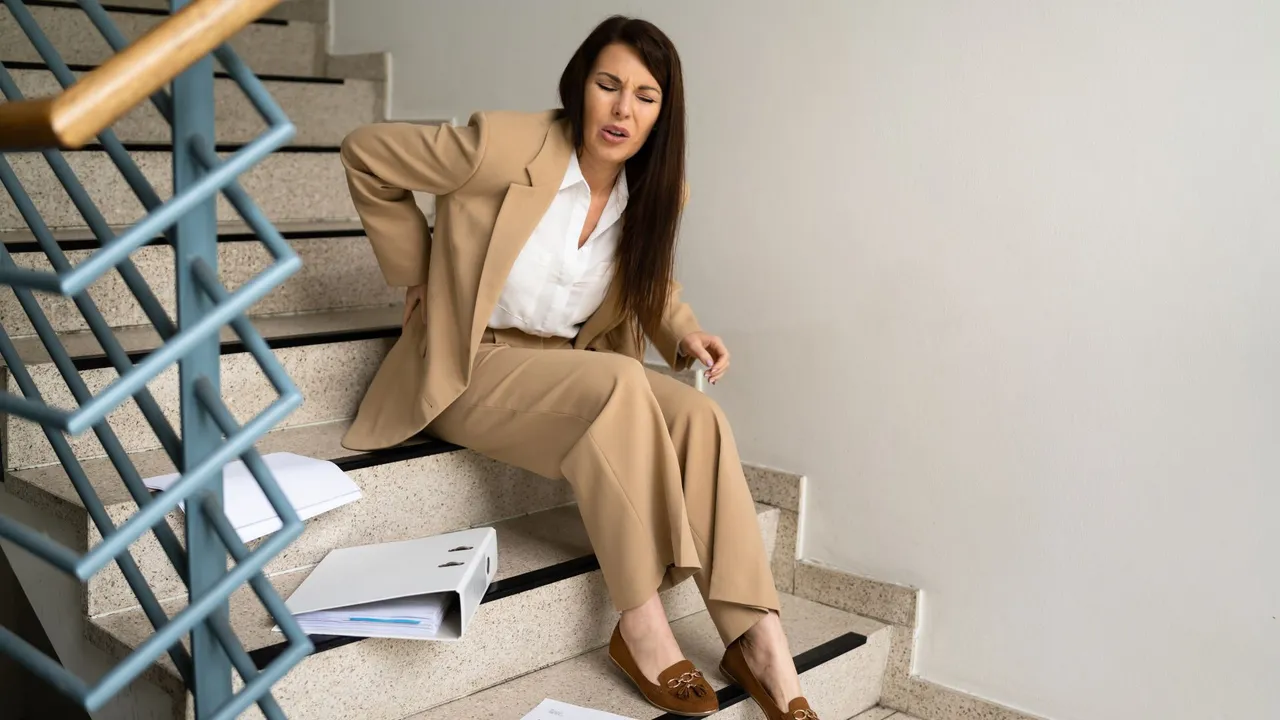
Hey there! Ever wondered how slip and fall accident laws differ across the globe? Specifically, between the United States and the vibrant, diverse nations of Southeast Asia? It's a pretty fascinating topic, especially if you're traveling, living abroad, or just curious about personal injury law. While the core concept of 'someone got hurt on someone else's property due to negligence' might seem universal, the legal frameworks, cultural nuances, and practical applications can be worlds apart. Let's dive in and explore these differences, focusing on what you need to know if you or someone you know ever experiences a slip and fall in these regions.
Understanding Premises Liability in the USA for Slip and Fall Cases
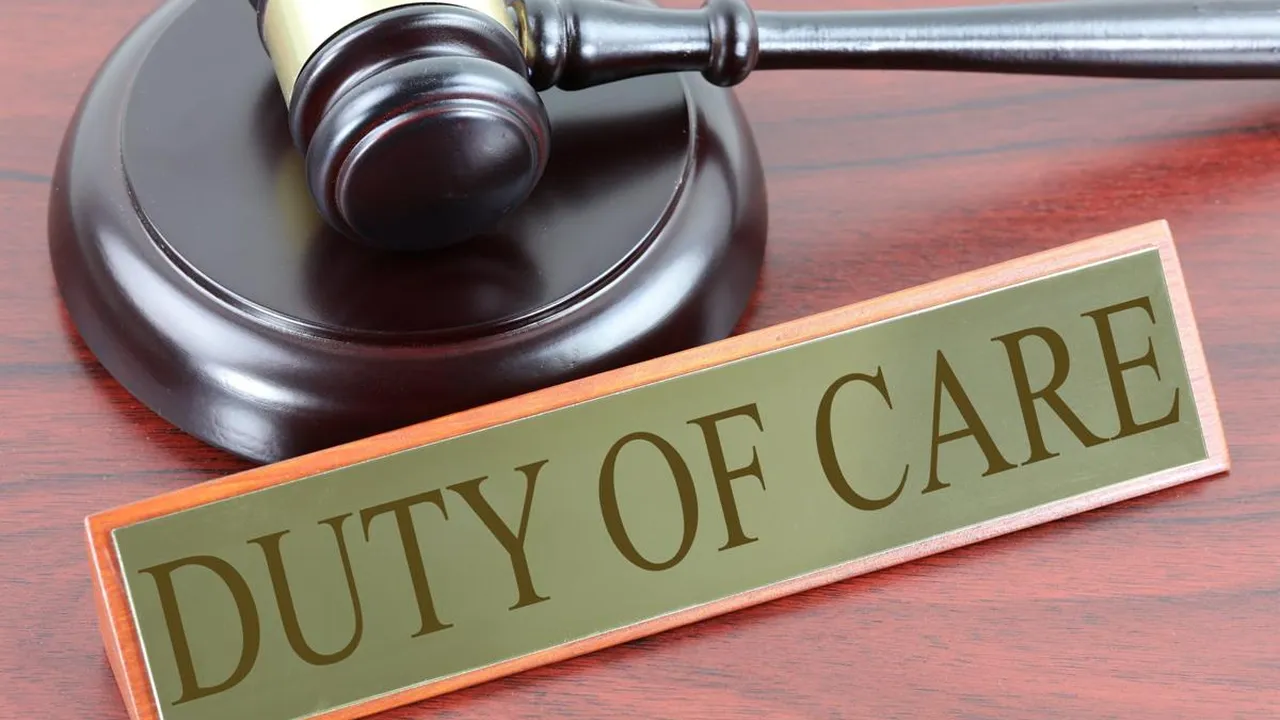
In the United States, slip and fall cases fall under a broader legal area known as 'premises liability.' This means property owners (or those in control of the property) have a legal duty to maintain a safe environment for visitors. This duty isn't absolute, though; it depends heavily on the visitor's status and the circumstances of the fall.
Visitor Status and Duty of Care in US Slip and Fall Law
Generally, US law categorizes visitors into three main types, each with a different level of duty owed by the property owner:
- Invitees: These are people invited onto the property for the owner's business or benefit (e.g., customers in a store, guests at a hotel). Property owners owe the highest duty of care to invitees. They must inspect the premises for hazards, warn of known dangers, and fix any unsafe conditions.
- Licensees: These are people on the property with permission but for their own benefit (e.g., social guests at a home). Owners must warn licensees of known dangers but generally don't have a duty to inspect for hidden hazards.
- Trespassers: These are people on the property without permission. Property owners generally owe the lowest duty of care to trespassers, usually just to avoid intentionally harming them. However, there are exceptions, like the 'attractive nuisance' doctrine for child trespassers.
Proving Negligence in US Slip and Fall Claims
To win a slip and fall case in the US, the injured party (the plaintiff) typically needs to prove several things:
- The property owner owed a duty of care to the plaintiff.
- The property owner breached that duty (e.g., failed to clean a spill, didn't fix a broken step).
- This breach directly caused the plaintiff's injuries.
- The plaintiff suffered damages (medical bills, lost wages, pain and suffering).
A key aspect is proving the property owner knew or *should have known* about the dangerous condition. This often involves showing the hazard existed for a sufficient amount of time for the owner to discover and remedy it.
Comparative and Contributory Negligence in US Slip and Fall Cases
Another important factor in the US is how the plaintiff's own fault might affect their claim. Most US states follow either 'comparative negligence' or 'contributory negligence' rules:
- Comparative Negligence: This is more common. If the plaintiff is found partially at fault, their compensation is reduced by their percentage of fault. Some states use 'pure comparative negligence' (you can recover even if 99% at fault), while others use 'modified comparative negligence' (you can't recover if you're 50% or 51% or more at fault, depending on the state).
- Contributory Negligence: Only a few states still use this. If the plaintiff is found even 1% at fault, they recover nothing. It's a much harsher rule.
Exploring Slip and Fall Laws in Southeast Asia
Now, let's shift our focus to Southeast Asia. This region is incredibly diverse, with different legal systems influenced by various colonial histories (e.g., British common law, French civil law, Islamic law) and indigenous traditions. Therefore, there isn't a single 'Southeast Asian slip and fall law.' We'll look at some general trends and specific examples.
General Principles of Negligence in Southeast Asian Countries
Many Southeast Asian countries, particularly those with common law influences like Singapore, Malaysia, and the Philippines, have legal concepts similar to negligence and duty of care. Property owners are generally expected to maintain their premises safely to prevent harm to lawful visitors. However, the specifics can vary significantly.
Key Differences and Nuances in Southeast Asian Slip and Fall Claims
Here are some areas where you might see differences compared to the US:
- Cultural Approach to Litigation: In many Southeast Asian cultures, there's often a stronger emphasis on mediation, conciliation, and avoiding direct confrontation or litigation. While lawsuits are possible, they might not be the first or preferred route for resolving disputes, especially for smaller claims.
- Damages and Compensation: The types and amounts of damages awarded can differ. While medical expenses and lost wages are typically recoverable, 'pain and suffering' awards might be less generous or calculated differently than in the US. Punitive damages (designed to punish the wrongdoer) are also less common or non-existent in many countries.
- Burden of Proof: While the concept of proving negligence exists, the practical application and the standard of proof might have subtle differences. Documentation, witness statements, and expert testimony are still crucial.
- Statute of Limitations: Just like in the US, there are time limits for filing personal injury claims, but these vary by country. It's crucial to check the specific laws of the country where the accident occurred.
- Insurance Landscape: The prevalence and types of liability insurance held by property owners can vary. In some countries, comprehensive liability insurance might be less common, potentially affecting the ease of recovery.
- Legal System Structure: Some countries operate under civil law systems (e.g., Vietnam, Indonesia, Thailand to some extent), where codified laws are the primary source of law, and judicial precedent plays a less dominant role than in common law systems. This can affect how cases are argued and decided.
Specific Examples of Slip and Fall Laws in Southeast Asia
Singapore Slip and Fall Law
Singapore, with its strong common law heritage, has premises liability laws that are quite similar to those in the UK and, by extension, the US. The Occupiers' Liability Act is a key piece of legislation. Property owners owe a 'common duty of care' to visitors to ensure they are reasonably safe. Contributory negligence principles apply, meaning if the injured party is partly at fault, their compensation will be reduced.
Malaysia Slip and Fall Law
Malaysia also follows a common law system. Premises liability cases are governed by common law principles of negligence and, in some instances, specific statutes. The duty of care owed by an occupier depends on the status of the visitor (invitee, licensee, trespasser), similar to the older English common law approach. Contributory negligence is also a factor.
Thailand Slip and Fall Law
Thailand's legal system is primarily civil law. Personal injury claims, including slip and falls, fall under the Civil and Commercial Code. Section 420 deals with wrongful acts (torts), stating that a person who intentionally or negligently injures another's life, body, health, liberty, property, or any right is bound to make compensation. The concept of negligence is central, but the interpretation and application might differ from common law jurisdictions. Damages typically cover actual losses, including medical expenses and loss of earning capacity.
Philippines Slip and Fall Law
The Philippines, influenced by both Spanish civil law and American common law, has a hybrid system. Articles 2176 and 2179 of the Civil Code of the Philippines are relevant. Article 2176 establishes the principle of quasi-delict (negligence), while Article 2179 deals with contributory negligence. Property owners are expected to exercise the diligence of a good father of a family to prevent harm to others.
Practical Considerations for Slip and Fall Victims
Regardless of where you are, if you experience a slip and fall, certain steps are universally helpful:
Immediate Actions After a Slip and Fall Accident
1. Seek Medical Attention: Your health is paramount. Get checked out by a doctor, even if you feel fine. Some injuries might not be immediately apparent. This also creates an official record of your injuries.
2. Document the Scene: If possible and safe, take photos or videos of the hazard that caused your fall (e.g., wet floor, broken step, poor lighting). Note the exact location, time, and weather conditions.
3. Gather Witness Information: If anyone saw your fall, get their names and contact details. Their testimony can be invaluable.
4. Report the Incident: Inform the property owner or manager immediately. Ask for an incident report and get a copy if possible.
5. Preserve Evidence: Keep the shoes and clothing you were wearing. Don't throw them away or clean them, as they might contain crucial evidence.
Navigating the Legal Process for Slip and Fall Claims
1. Consult a Lawyer: This is crucial in both the US and Southeast Asia. A personal injury lawyer specializing in slip and falls can advise you on the specific laws of the jurisdiction, assess the strength of your case, and guide you through the process. They can also help you understand the potential value of your claim.
2. Understand the Statute of Limitations: Don't delay! There's a limited time to file a lawsuit. Your lawyer will know these deadlines.
3. Be Prepared for Negotiations: Most personal injury cases settle out of court. Your lawyer will negotiate with the property owner's insurance company or legal team to reach a fair settlement.
4. Consider Cultural Factors: Especially in Southeast Asia, be mindful of local customs and communication styles. Your local lawyer will be best equipped to navigate these nuances.
Comparing Compensation and Damages in Slip and Fall Cases
When it comes to what you can recover, there are often differences:
Types of Damages in US Slip and Fall Cases
In the US, damages typically include:
- Economic Damages: These are quantifiable losses like medical bills (past and future), lost wages (past and future), and property damage.
- Non-Economic Damages: These are more subjective and include pain and suffering, emotional distress, loss of enjoyment of life, and loss of consortium. These can often be a significant portion of a US settlement.
- Punitive Damages: In rare cases of extreme negligence or malicious conduct, punitive damages might be awarded to punish the defendant and deter similar behavior.
Types of Damages in Southeast Asian Slip and Fall Cases
In Southeast Asia, while economic damages (medical costs, lost income) are generally recoverable, non-economic damages like pain and suffering might be calculated more conservatively or have statutory caps. Punitive damages are much less common or not available at all. The focus is often on making the injured party 'whole' for their direct losses rather than providing extensive compensation for subjective suffering.
The Role of Insurance in Slip and Fall Claims
Insurance plays a massive role in personal injury claims everywhere, but its prevalence and function can differ.
Insurance in US Slip and Fall Cases
In the US, most businesses and homeowners carry liability insurance that covers slip and fall accidents. This insurance company is usually the entity your lawyer will negotiate with. They have adjusters whose job is to minimize payouts, which is why having your own legal representation is so important.
Insurance in Southeast Asian Slip and Fall Cases
While liability insurance exists in Southeast Asia, its penetration and the scope of coverage might vary. Some smaller businesses or individual property owners might not have comprehensive policies, which could complicate recovery. However, larger establishments like hotels, shopping malls, and international corporations are more likely to have robust insurance coverage.
Specific Products and Scenarios for Slip and Fall Prevention
While this article focuses on legal aspects, preventing slip and falls is always the best approach. Here are some products and scenarios to consider, along with a comparison:
Anti-Slip Flooring Solutions
1. Anti-Slip Tapes and Coatings:
- Description: These are adhesive tapes with abrasive surfaces or liquid coatings that can be applied to existing floors to increase traction.
- Use Cases: Ideal for stairs, ramps, walkways, bathrooms, and kitchens in both residential and commercial settings. Great for quick fixes or areas with intermittent wetness.
- Comparison:
- Pros: Relatively inexpensive, easy to install (tapes), can be applied to various surfaces (tiles, concrete, wood).
- Cons: Tapes can wear out over time and may need replacement. Coatings require proper application and curing time. Aesthetics might be a concern in some high-end environments.
- Example Products & Pricing (Approximate):
- 3M Safety-Walk Anti-Slip Tape: ~$15-30 for a 60-foot roll (USA), ~$10-25 (Southeast Asia, e.g., Lazada/Shopee).
- Rust-Oleum Anti-Slip Coating: ~$30-50 per gallon (USA), ~$25-45 (Southeast Asia).
2. Textured Tiles and Flooring:
- Description: Flooring materials specifically designed with a textured or abrasive surface to provide better grip, especially when wet.
- Use Cases: Bathrooms, kitchens, outdoor patios, commercial kitchens, swimming pool decks, and industrial areas.
- Comparison:
- Pros: Durable, long-lasting, integrated solution, often aesthetically pleasing.
- Cons: More expensive to install, requires professional installation, limited design options compared to smooth tiles.
- Example Products & Pricing (Approximate):
- R-10 or R-11 Rated Anti-Slip Porcelain Tiles: ~$3-10 per square foot (USA), ~$2-8 per square foot (Southeast Asia, e.g., local tile suppliers).
- Rubber Flooring Rolls: ~$2-7 per square foot (USA), ~$1.5-6 per square foot (Southeast Asia).
Effective Drainage Systems for Wet Areas
1. Linear Drains:
- Description: Long, narrow drains that collect water over a wider area, often with decorative grates.
- Use Cases: Showers, patios, balconies, commercial kitchens, and outdoor walkways where water accumulation is common.
- Comparison:
- Pros: Efficient water removal, modern aesthetic, can be less prone to clogging than traditional point drains.
- Cons: More complex installation, potentially higher cost than point drains.
- Example Products & Pricing (Approximate):
- ACO ShowerDrain Linear Drain: ~$100-300+ depending on length (USA), ~$80-250+ (Southeast Asia, e.g., building material suppliers).
2. Trench Drains:
- Description: Larger, more robust versions of linear drains, often used in industrial or heavy-traffic outdoor settings.
- Use Cases: Parking lots, driveways, industrial facilities, public spaces, and areas with significant water runoff.
- Comparison:
- Pros: High capacity for water removal, very durable, can handle heavy loads.
- Cons: Industrial appearance, significant installation cost and effort.
- Example Products & Pricing (Approximate):
- NDS Spee-D Channel Drain: ~$50-150 per 10-foot section (USA), ~$40-120 (Southeast Asia).
Proper Lighting Solutions for Hazard Visibility
1. LED Motion Sensor Lights:
- Description: Energy-efficient LED lights that automatically turn on when motion is detected, illuminating dark areas.
- Use Cases: Stairwells, hallways, outdoor pathways, entryways, and storage areas in both residential and commercial buildings.
- Comparison:
- Pros: Energy-saving, enhances security, provides light only when needed, easy to install (some models are battery-powered).
- Cons: Can be triggered by pets or passing objects, battery replacement for wireless models.
- Example Products & Pricing (Approximate):
- Mr. Beams Wireless Motion Sensor LED Spotlight: ~$20-40 (USA), ~$15-35 (Southeast Asia, e.g., online retailers).
- Philips Hue Motion Sensor (requires Hue Bridge): ~$40-50 (USA), ~$30-45 (Southeast Asia).
2. High-Lumen Commercial Lighting:
- Description: Powerful lighting fixtures designed to provide bright, even illumination over large areas.
- Use Cases: Warehouses, retail spaces, parking garages, public corridors, and outdoor commercial properties.
- Comparison:
- Pros: Excellent visibility, reduces shadows, durable for commercial use.
- Cons: Higher initial cost, professional installation often required, higher energy consumption if not LED.
- Example Products & Pricing (Approximate):
- Lithonia Lighting LED Wraparound Fixture: ~$50-150 (USA), ~$40-130 (Southeast Asia, e.g., electrical suppliers).
- Hyperlite LED High Bay Light: ~$100-300+ (USA), ~$80-250+ (Southeast Asia).
Warning Signs and Barriers for Temporary Hazards
1. 'Wet Floor' Signs:
- Description: Standard, highly visible yellow A-frame or cone signs used to warn of temporary wet conditions.
- Use Cases: Any area that has just been cleaned, experienced a spill, or is prone to temporary wetness (e.g., restrooms, entryways during rain).
- Comparison:
- Pros: Inexpensive, universally recognized, easy to deploy and store.
- Cons: Only effective if used consistently and placed prominently.
- Example Products & Pricing (Approximate):
- Rubbermaid Commercial 'Wet Floor' Sign: ~$10-20 (USA), ~$8-18 (Southeast Asia).
2. Retractable Belt Barriers:
- Description: Stanchions with retractable belts used to cordon off hazardous areas or direct foot traffic.
- Use Cases: Construction zones, maintenance areas, temporary spills, or to create clear pathways in public spaces.
- Comparison:
- Pros: Creates a physical barrier, highly visible, versatile for various configurations.
- Cons: More expensive than simple signs, requires storage space.
- Example Products & Pricing (Approximate):
- Tensabarrier Retractable Belt Stanchion: ~$70-150 per unit (USA), ~$60-130 (Southeast Asia).
Remember, while these products can significantly reduce the risk of slip and falls, consistent maintenance, regular inspections, and proper training for staff are equally, if not more, important. A combination of good practices and appropriate products creates the safest environment.
Final Thoughts on Slip and Fall Laws
So, there you have it! While the fundamental idea of holding property owners accountable for unsafe conditions exists in both the US and Southeast Asia, the legal specifics, cultural approaches to disputes, and potential compensation can vary quite a bit. If you ever find yourself in a slip and fall situation, whether at home or abroad, the best advice is always to prioritize your health, document everything, and seek professional legal counsel specific to the jurisdiction where the incident occurred. They'll be your best guide through the complexities of local law and help you understand your rights and options.
:max_bytes(150000):strip_icc()/277019-baked-pork-chops-with-cream-of-mushroom-soup-DDMFS-beauty-4x3-BG-7505-5762b731cf30447d9cbbbbbf387beafa.jpg)