Top 7 Mistakes to Avoid After a Car Crash
Discover the 7 critical errors that can jeopardize your car accident personal injury claim.
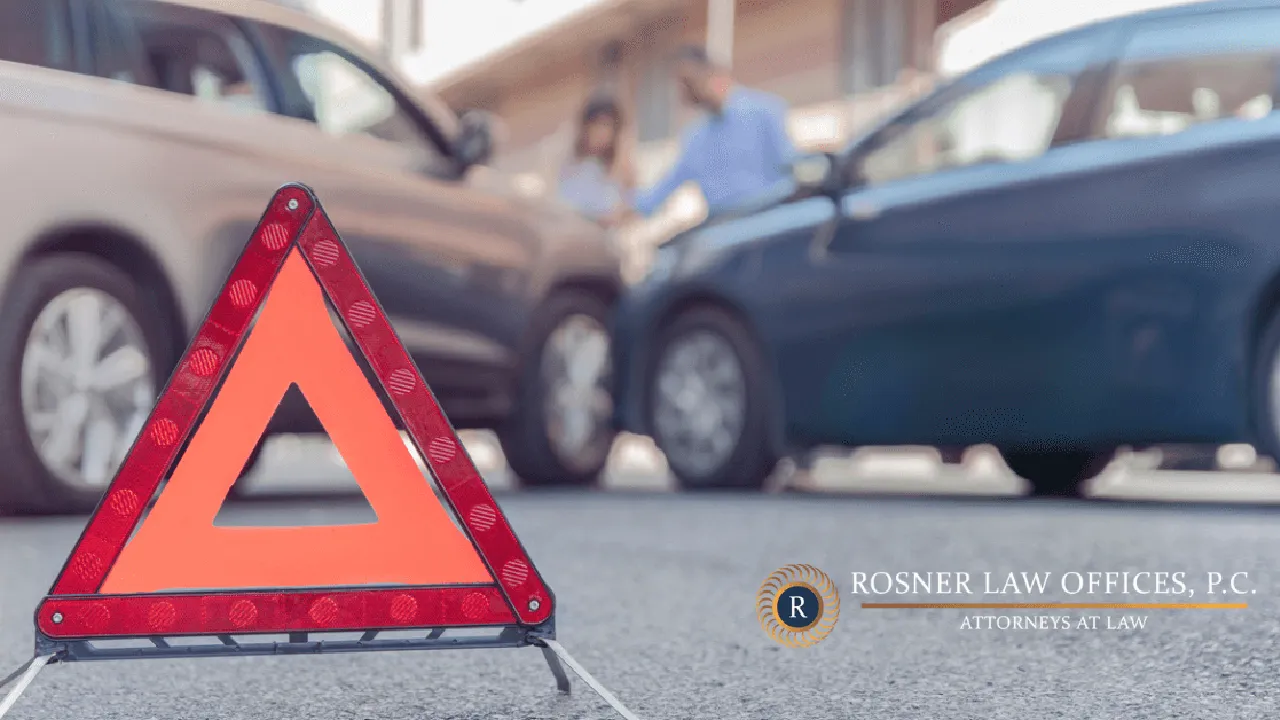
Discover the 7 critical errors that can jeopardize your car accident personal injury claim.
Top 7 Mistakes to Avoid After a Car Crash
Getting into a car accident is a terrifying experience, no matter how minor. The immediate aftermath can be chaotic, confusing, and emotionally draining. In such a high-stress situation, it's easy to make mistakes that could seriously harm your personal injury claim later on. Whether you're in the bustling streets of New York or the serene roads of Bali, the principles of protecting yourself legally remain surprisingly similar. This guide will walk you through the top 7 critical errors you absolutely must avoid after a car crash to safeguard your rights and ensure you receive the compensation you deserve.
Mistake 1 Not Calling the Police Car Accident Reporting
This might seem obvious, but in minor fender-benders, some people opt to exchange information and go their separate ways without involving law enforcement. This is a huge mistake. A police report serves as an official, unbiased record of the accident. It documents key details like the date, time, location, parties involved, vehicle information, and often, the officer's initial assessment of fault. Without this official documentation, it becomes your word against the other driver's, which can be incredibly difficult to prove in court or to an insurance company. Even if the damage seems minimal, always call the police. In many jurisdictions, especially across the USA and even in some Southeast Asian countries like Thailand or Malaysia, a police report is a prerequisite for filing an insurance claim or a personal injury lawsuit. Don't let the other driver talk you out of it, no matter how friendly they seem. They might be trying to avoid a ticket or higher insurance premiums, but that's not your concern. Your priority is protecting your legal interests.
Mistake 2 Failing to Document the Scene Car Accident Evidence
In today's world, almost everyone has a smartphone with a camera. Use it! The accident scene is a treasure trove of evidence that can quickly disappear. Take as many photos and videos as possible from various angles. What should you focus on?
- Vehicle Damage: Get close-ups of all damage to both your vehicle and the other vehicle(s) involved. Don't forget to photograph any pre-existing damage if applicable.
- License Plates: Clear photos of all license plates.
- Scene Overview: Wide shots showing the position of the vehicles, road conditions, traffic signs, skid marks, debris, and any relevant landmarks.
- Injuries: If you or anyone else has visible injuries, photograph them immediately.
- Witnesses: If there are witnesses, get their contact information (name, phone number, email). Don't just rely on the police to do this.
- Road Conditions: Potholes, construction, weather conditions, anything that might have contributed to the accident.
Beyond photos, write down everything you remember about the accident as soon as possible. Details can fade quickly. Note the time, weather, what you were doing, what the other driver was doing, and any conversations you had. This detailed account will be invaluable for your lawyer and insurance company.
Mistake 3 Admitting Fault or Apologizing Car Accident Liability
It's human nature to apologize, especially after a stressful event. You might say, 'Oh, I'm so sorry!' even if you're not at fault. However, in the context of a car accident, any statement that could be construed as an admission of guilt can be used against you. Even a simple 'I'm sorry' can be twisted by insurance companies to imply you were taking responsibility for the crash. Stick to the facts when speaking with the other driver, witnesses, or even the police at the scene. Do not speculate about what happened or assign blame. Simply state what you observed. Let the investigation and legal process determine fault. This is crucial for protecting your personal injury claim, as liability is a cornerstone of compensation.
Mistake 4 Delaying Medical Attention Car Accident Injuries
Many people feel fine immediately after an accident, only to experience pain and symptoms hours or even days later. Adrenaline can mask injuries. Even if you feel okay, it is absolutely critical to seek medical attention as soon as possible. Go to an urgent care clinic, your primary care physician, or the emergency room. Why is this so important?
- Your Health: Some serious injuries, like concussions or internal bleeding, might not present symptoms immediately. Prompt medical evaluation can detect these and prevent further complications.
- Documentation: Medical records provide crucial evidence linking your injuries directly to the car accident. A delay in seeking treatment can allow the insurance company to argue that your injuries were not caused by the crash or were pre-existing.
- Treatment Plan: A doctor can establish a treatment plan, which is essential for your recovery and for demonstrating the extent of your injuries and associated costs.
Even if it's just a check-up, get it done. This step is non-negotiable for a strong personal injury claim.
Mistake 5 Not Contacting Your Insurance Company Car Accident Claims
You might think that since the other driver was at fault, you don't need to contact your own insurance company. This is incorrect. Most insurance policies require you to report an accident within a certain timeframe, regardless of who was at fault. Failing to do so could violate your policy terms and jeopardize your coverage. When you call your insurance company, stick to the facts. Provide them with the basic details of the accident, but avoid giving a recorded statement or discussing fault until you've spoken with an attorney. Your insurance company is there to protect you, but they also have their own financial interests. Be cooperative but cautious.
Mistake 6 Speaking to the Other Driver's Insurance Company Car Accident Negotiation
Shortly after an accident, you'll likely receive a call from the other driver's insurance company. They might sound friendly and helpful, offering a quick settlement. Do NOT speak to them without consulting your own attorney first. Their primary goal is to minimize their payout, and they are experts at getting you to say things that can harm your claim. They might try to get you to give a recorded statement, sign documents, or accept a lowball offer before you even know the full extent of your injuries or vehicle damage. Politely decline to speak with them and refer them to your attorney. If you don't have an attorney yet, tell them you are seeking legal counsel and will have your lawyer contact them. This is one of the most critical steps to protect your personal injury claim.
Mistake 7 Not Hiring a Personal Injury Lawyer Car Accident Legal Advice
Many people believe they can handle a car accident claim on their own, especially if the accident seems minor. However, the legal and insurance landscape is complex, and navigating it without expert guidance is a significant disadvantage. A personal injury lawyer specializes in these types of cases and can:
- Protect Your Rights: Ensure you don't make any statements or sign any documents that could harm your claim.
- Gather Evidence: Help collect police reports, medical records, witness statements, and other crucial evidence.
- Negotiate with Insurance Companies: Deal with aggressive adjusters and negotiate for a fair settlement that covers all your damages.
- Calculate Damages: Accurately assess the full extent of your damages, including medical bills, lost wages, pain and suffering, and future expenses.
- Represent You in Court: If a fair settlement cannot be reached, they will represent you in a lawsuit.
Studies show that individuals who hire a personal injury lawyer typically receive significantly higher settlements than those who try to handle claims themselves. This is true in both the USA and many Southeast Asian countries where legal representation can be crucial for navigating local laws and customs. Most personal injury lawyers work on a contingency fee basis, meaning you don't pay unless they win your case, making legal representation accessible to everyone.
Protecting Your Claim Essential Tools and Services
Beyond legal advice, there are several tools and services that can help you manage the aftermath of a car accident and strengthen your personal injury claim. While these aren't 'products' in the traditional sense, they are invaluable resources.
Accident Reporting Apps Digital Documentation
Several smartphone applications are designed to help you document an accident scene. These apps often guide you through collecting necessary information, such as photos, witness details, and insurance information. They can also help you generate a basic report that you can later share with your lawyer or insurance company. Some popular options include:
- WreckLog: This app provides a step-by-step guide for collecting accident information, including photos, witness contacts, and even a diagram tool to sketch the scene. It's user-friendly and helps ensure you don't miss critical details.
- Accident Report: Similar to WreckLog, this app helps you compile a comprehensive report. It often includes features for recording audio notes and generating PDF reports.
- Your Insurance Company's App: Many major insurance providers (like Geico, State Farm, Progressive in the USA, or local providers in Southeast Asia) have their own apps that include accident reporting features. These can streamline the process of filing a claim directly with your insurer.
Usage Scenario: Immediately after an accident, while waiting for the police, you can use one of these apps to systematically gather all the necessary information. This ensures consistency and completeness, reducing the chances of forgetting crucial details later on. The cost for these apps is often free or a one-time small purchase, making them highly accessible.
Dash Cams Video Evidence for Car Accidents
A dash cam is an invaluable piece of technology for any driver. It continuously records footage of the road, providing an objective, unbiased account of what happened before, during, and after an accident. This video evidence can be a game-changer in determining fault and strengthening your personal injury claim.
- VIOFO A129 Pro Duo: This is a popular choice for its excellent 4K front camera and 1080p rear camera, providing comprehensive coverage. It includes GPS logging, Wi-Fi connectivity, and parking mode. Price: Approximately $250-$300 USD.
- Garmin Dash Cam 67W: Known for its compact size, wide 180-degree field of view, and voice control. It also offers cloud storage and incident detection. Price: Approximately $200-$250 USD.
- BlackVue DR900X-2CH Plus: A premium option offering 4K front and Full HD rear recording, cloud connectivity, and advanced parking mode features. It's often favored for its reliability and robust software. Price: Approximately $400-$500 USD.
Usage Scenario: A dash cam is a proactive measure. It's always recording, so if an accident occurs, you have immediate video evidence. This can be particularly useful in 'he said, she said' situations, hit-and-runs, or when dealing with aggressive drivers. The initial investment can save you thousands in legal fees and lost compensation.
Legal Consultation Services Finding a Car Accident Lawyer
While not a 'product,' access to legal consultation services is crucial. Many personal injury law firms offer free initial consultations. This allows you to discuss your case with an attorney without any upfront cost or obligation. These services are available across the USA and in major cities throughout Southeast Asia.
- Local Bar Associations: Many bar associations offer referral services to qualified attorneys in your area.
- Online Legal Directories: Websites like Avvo, FindLaw, and Lawyers.com (for the USA) or local legal directories in countries like Singapore, Malaysia, or the Philippines can help you find personal injury lawyers with good reviews and relevant experience.
- Word of Mouth: Recommendations from trusted friends or family can also be a good starting point.
Usage Scenario: As soon as possible after an accident, especially after seeking medical attention, schedule a free consultation with a personal injury lawyer. They can advise you on the best course of action, help you understand your rights, and guide you through the complex claims process. This initial consultation is free, but the value of early legal advice is immeasurable.
Medical Expense Tracking Apps Managing Accident Costs
Keeping track of all your medical expenses, appointments, and prescriptions after an accident can be overwhelming. Apps designed for medical expense tracking can help you organize this crucial information, which is vital for your personal injury claim.
- Mint: While primarily a budgeting app, Mint can be used to track medical expenses by categorizing transactions. It helps you see where your money is going and can generate reports.
- GoodRx: Primarily for prescription discounts, GoodRx can also help you track prescription costs, which are a significant part of medical expenses after an injury.
- Custom Spreadsheet: Sometimes, the simplest tool is the best. A well-organized spreadsheet (Google Sheets, Excel) where you log every medical appointment, bill, prescription, and mileage to and from appointments can be incredibly effective.
Usage Scenario: From your first doctor's visit, start logging every single medical-related expense and appointment. This includes co-pays, deductibles, prescription costs, physical therapy sessions, and even transportation costs to medical facilities. This meticulous record-keeping will be essential for demonstrating the full financial impact of your injuries to the insurance company or court.
Comparing Options for Accident Preparedness
When it comes to protecting yourself after a car crash, a multi-faceted approach is best. Think of it as building a safety net:
Dash Cam vs. Smartphone Camera: A dash cam provides continuous, automatic recording, often with a wider field of view and better low-light performance than a smartphone. It's always on and doesn't rely on you remembering to start recording in a stressful moment. A smartphone camera is excellent for detailed close-ups and specific evidence collection after the fact, but it's not a substitute for continuous recording. Recommendation: Use both. A dash cam for proactive recording and your smartphone for detailed post-accident documentation.
Accident Reporting App vs. Manual Notes: An app provides a structured, guided approach to collecting information, ensuring you don't miss anything. Manual notes are good for personal reflections and details not covered by the app. Recommendation: Use an app for structured data collection and supplement with manual notes for personal observations and feelings.
DIY Claim vs. Personal Injury Lawyer: Attempting a DIY claim might save you legal fees upfront, but it often results in a significantly lower settlement, or even no settlement at all. Insurance companies have vast resources and experienced adjusters whose job is to pay out as little as possible. A personal injury lawyer levels the playing field, ensuring your rights are protected and you receive fair compensation. Recommendation: Always consult a personal injury lawyer. The potential increase in your settlement often far outweighs the contingency fee.
By avoiding these 7 common mistakes and utilizing the right tools and services, you significantly increase your chances of a successful personal injury claim after a car accident. Remember, your health and your legal rights are paramount. Be prepared, be cautious, and seek professional help when needed.
:max_bytes(150000):strip_icc()/277019-baked-pork-chops-with-cream-of-mushroom-soup-DDMFS-beauty-4x3-BG-7505-5762b731cf30447d9cbbbbbf387beafa.jpg)