Evidence for Slip and Fall Cases Checklist
A comprehensive checklist of evidence to collect after a slip and fall accident to strengthen your personal injury claim. Learn what to document, who to contact, and how to preserve crucial information for your case.
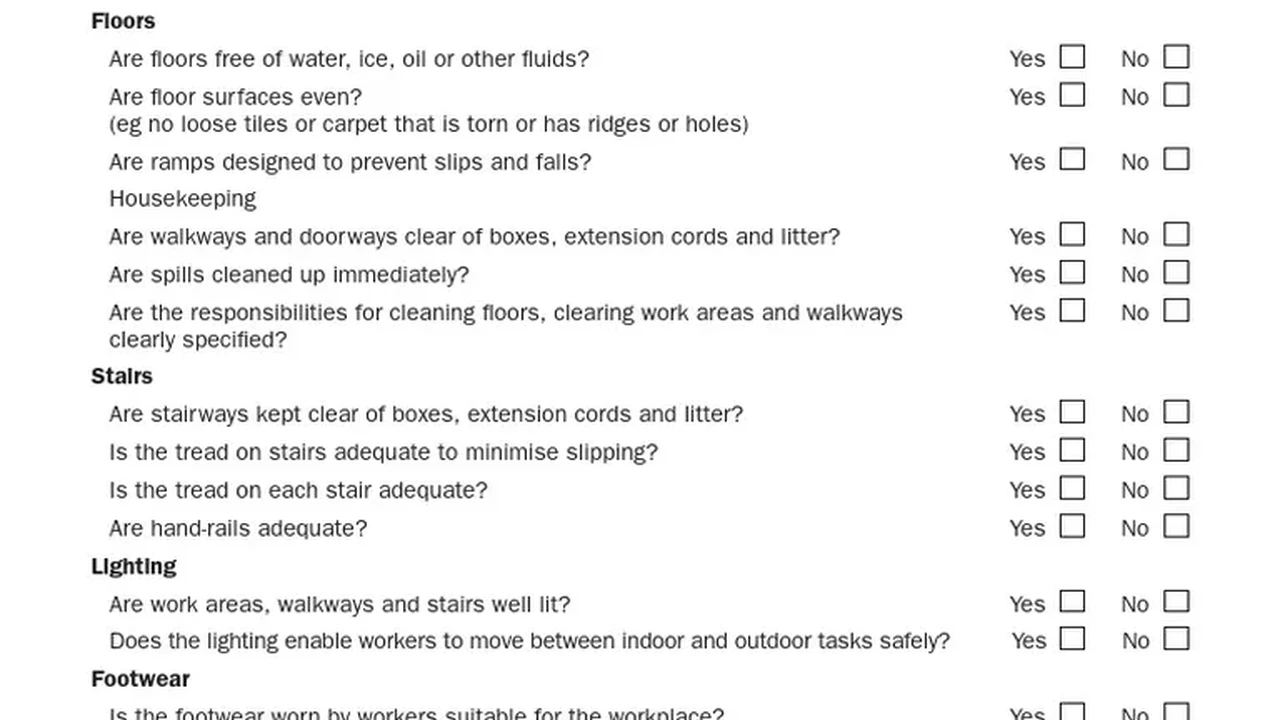
A comprehensive checklist of evidence to collect after a slip and fall accident to strengthen your personal injury claim. Learn what to document, who to contact, and how to preserve crucial information for your case.
Evidence for Slip and Fall Cases Checklist
Hey there! So, you've had a slip and fall accident. First off, I'm really sorry to hear that. It can be a jarring and painful experience, and often, it's not your fault. When you're dealing with injuries, medical bills, and maybe even lost wages, the last thing you want to worry about is how to prove what happened. But here's the thing: collecting the right evidence immediately after a slip and fall is absolutely crucial for your personal injury claim. Think of it as building your case brick by brick. Without solid evidence, even the most legitimate claim can crumble. This guide is going to walk you through a comprehensive checklist of what you need to gather, why it's important, and how to do it effectively. We'll cover everything from immediate actions at the scene to long-term documentation, and even touch on some helpful tools and products that can assist you.
Immediate Actions at the Scene Documenting the Incident
The moments right after a slip and fall are critical. Your adrenaline might be pumping, and you might be in pain, but if you can, try to take these steps:
Photographs and Videos Capturing the Scene
This is probably the single most important piece of evidence you can collect. Your phone is your best friend here. Take as many photos and videos as possible, from different angles and distances. What should you focus on?
- The Hazard Itself: Is it a puddle of water, a spilled drink, uneven flooring, a broken step, poor lighting, or something else? Get close-ups.
- The Surrounding Area: Show the general environment. Is there a 'wet floor' sign? Was it visible? Was there adequate lighting?
- Your Injuries: If you have visible injuries like scrapes, bruises, or torn clothing, photograph them.
- Your Footwear: Believe it or not, the type of shoes you were wearing can sometimes be scrutinized. Take a picture of them.
- Time and Date Stamp: Many phones automatically add this, but if yours doesn't, make a mental note or write it down immediately.
Pro Tip: Don't just take one or two pictures. Take dozens! You can always delete the blurry ones later. A video can also be incredibly powerful, as it captures the environment in a more dynamic way.
Witness Information Gathering Contact Details
Did anyone see you fall? If so, get their names, phone numbers, and email addresses. Independent witnesses can provide unbiased accounts of what happened, which can be invaluable. Ask them what they saw and if they'd be willing to provide a statement later.
Incident Report Filing with Property Management
If you're on commercial property (a store, restaurant, office building), report the incident to the manager or owner immediately. Ask them to fill out an incident report. Request a copy of this report. If they refuse, make a note of that refusal. This report documents that the incident occurred and that the property owner was aware of it.
Medical Attention Prioritizing Your Health
Even if you feel okay, seek medical attention. Some injuries, like concussions or soft tissue damage, might not manifest immediately. Going to the doctor creates an official record of your injuries and links them directly to the fall. This is crucial for your personal injury claim. Be sure to tell the medical professionals exactly how the injury occurred.
Post-Incident Documentation Building Your Case
Once you've left the scene and addressed immediate medical needs, the documentation process continues. This is where you start building a comprehensive file for your claim.
Medical Records and Bills Tracking Your Treatment
Keep every single piece of paper related to your medical treatment: doctor's notes, hospital records, prescription receipts, physical therapy bills, and any other medical expenses. These documents prove the extent of your injuries and the costs associated with your recovery. Organize them chronologically.
Lost Wages Documentation Proving Financial Impact
If your injuries prevent you from working, you can claim lost wages. Gather pay stubs, employment contracts, and a letter from your employer confirming your missed workdays and salary. If you're self-employed, collect tax returns, invoices, and bank statements to demonstrate your income loss.
Communication Log Keeping Track of Interactions
Start a detailed log of all communications related to your accident. This includes:
- Dates and times of calls or meetings.
- Names of people you spoke with (e.g., property managers, insurance adjusters, witnesses).
- A brief summary of what was discussed.
- Any emails or letters exchanged.
This log helps you keep track of who said what and when, which can be vital if there are discrepancies later on.
Personal Journal or Diary Documenting Your Recovery
Keep a daily or weekly journal detailing your pain levels, limitations, emotional distress, and how the injury impacts your daily life. This personal account can provide a powerful narrative of your suffering and can be used to support claims for pain and suffering. Be honest and detailed.
Property Damage Receipts If Applicable
Did your phone break? Did your glasses get crushed? Keep receipts for any personal property damaged during the fall. These can be added to your claim.
Expert Assistance Strengthening Your Claim
While you can gather a lot of evidence yourself, some aspects of a slip and fall case require professional expertise.
Legal Counsel Hiring a Personal Injury Lawyer
This is perhaps the most important step after the initial incident. A personal injury lawyer specializing in slip and fall cases will know exactly what evidence is needed, how to obtain it, and how to present it effectively. They can:
- Investigate the scene further.
- Subpoena surveillance footage.
- Interview witnesses.
- Obtain expert opinions (e.g., from medical professionals, accident reconstructionists, or safety engineers).
- Negotiate with insurance companies.
- Represent you in court if necessary.
Don't underestimate the value of a good lawyer. They are your advocate and can significantly increase your chances of a successful outcome.
Expert Witnesses Providing Professional Opinions
Depending on the complexity of your case, your lawyer might bring in expert witnesses. For example:
- Medical Experts: To testify about the nature and extent of your injuries, prognosis, and future medical needs.
- Accident Reconstructionists: To analyze the scene and determine how the fall occurred.
- Safety Engineers or Building Code Experts: To testify about whether the property met safety standards or violated building codes.
These experts provide credible, objective opinions that can sway a jury or an insurance adjuster.
Helpful Tools and Products for Evidence Collection Enhancing Your Documentation
In today's digital age, there are several tools and products that can make evidence collection easier and more effective. While not strictly necessary, they can certainly give you an edge.
Smartphone Apps for Documentation Recording Details
There are many apps designed for accident documentation. While a standard camera app works, some specialized apps offer features like:
- GPS Tagging: Automatically records the exact location of your photos and videos.
- Timestamping: Ensures all media is accurately dated and timed.
- Note-Taking Fields: Allows you to add detailed descriptions to each piece of evidence.
- Voice Recording: For quick notes or witness statements (always ask for permission before recording someone).
Recommended Apps:
- Accident Report App (iOS/Android): This app guides you through collecting all necessary information, including photos, witness details, and incident descriptions. It can generate a comprehensive report. Price: Free with in-app purchases. Use Case: Ideal for structured data collection at the scene.
- Evernote or OneNote (iOS/Android/Desktop): While not accident-specific, these note-taking apps are excellent for organizing all your documents, photos, and notes in one place. You can create notebooks for your case and easily search through them. Price: Free basic versions, premium subscriptions available. Use Case: Long-term organization of all case-related information.
- Timestamp Camera (iOS/Android): Specifically designed to add accurate date and time stamps to your photos and videos, which can be crucial for proving when evidence was collected. Price: Free with ads, paid ad-free version. Use Case: Ensuring irrefutable time and date for visual evidence.
Portable Lighting Solutions Illuminating Dark Areas
Poor lighting is a common factor in slip and fall accidents. If the area was dimly lit, having a portable light source can help you capture clearer photos and videos of the hazard. This is especially useful if the incident occurs at night or in an indoor area with inadequate illumination.
Recommended Products:
- Streamlight MicroStream USB Rechargeable Pocket Light: Small, bright, and easily fits in a pocket. It's durable and provides excellent illumination for close-up shots. Price: Around $25-$35. Use Case: Illuminating dark spots for clear photos of hazards.
- Anker Bolder LC40 LED Flashlight: A slightly larger, more powerful option that's still very portable. It offers multiple light modes and a strong beam. Price: Around $20-$30. Use Case: General scene illumination, especially in larger, darker areas.
Measuring Tools Documenting Dimensions
If the hazard involves an uneven surface, a pothole, or a broken step, having a small measuring tape or ruler can be incredibly useful. Documenting the exact dimensions of the defect can be crucial in proving its dangerous nature.
Recommended Products:
- Stanley PowerLock Tape Measure (12-16 feet): A classic, reliable tape measure that's easy to use and durable. Price: Around $10-$15. Use Case: Measuring the depth of potholes, height of uneven steps, or size of spills.
- Digital Caliper (e.g., Neiko 01407A Electronic Digital Caliper): For more precise measurements of smaller defects, a digital caliper can provide highly accurate readings. Price: Around $20-$30. Use Case: Measuring small cracks, gaps, or subtle height differences in flooring.
Body Cameras or Dash Cams Capturing Continuous Footage
While not something most people carry for a casual outing, if you happen to have a body camera (like those used by law enforcement or cyclists) or a dash cam in your vehicle (if the fall occurred near your car), the continuous footage could be a game-changer. It might capture the moments leading up to the fall, the fall itself, and the immediate aftermath, providing an objective, real-time record.
Recommended Products:
- GoPro HERO Series (e.g., HERO11 Black): While primarily an action camera, its wide-angle lens and robust video capabilities make it excellent for capturing environmental footage. If you're wearing it, it could capture a fall. Price: $300-$500+. Use Case: High-quality, wide-angle video capture, potentially worn on person.
- VIOFO A119 V3 Dash Cam: A highly-rated dash cam known for its excellent video quality, especially in low light. If your fall happened near your parked car, this could provide crucial context. Price: Around $100-$120. Use Case: Capturing events in the vicinity of your vehicle.
- Axon Body 3 (Professional Grade): While expensive and typically for professionals, if you happen to have access to one, these body cameras offer superior recording capabilities and chain-of-custody features. Price: Varies, typically for agencies. Use Case: Professional-grade, secure video evidence.
First Aid Kit with Documentation Supplies Being Prepared
A well-stocked first aid kit is always a good idea. But for evidence collection, consider adding a small notebook and pen, and maybe even a disposable camera (if you're worried about your phone getting damaged or running out of battery). This ensures you have basic documentation tools even in an emergency.
The Importance of Timeliness and Preservation Acting Quickly
Time is of the essence in slip and fall cases. Hazards can be cleaned up, repairs can be made, and witnesses' memories can fade. The sooner you collect evidence, the more accurate and compelling it will be. Preserve everything you collect – don't delete photos, throw away receipts, or discard medical records. Create backups of digital files.
Navigating the Legal Landscape Understanding Your Rights
Remember, property owners have a legal responsibility to maintain a safe environment for visitors. This is known as their 'duty of care.' If they fail in this duty and you get injured as a result, you may have a valid personal injury claim. The specific laws can vary between the USA and Southeast Asian countries, but the core principle of negligence often remains. That's why having a lawyer who understands the local jurisdiction is so important.
This checklist might seem extensive, but each piece of evidence plays a role in building a strong case. By being proactive and thorough, you significantly improve your chances of receiving the compensation you deserve for your injuries and losses. Don't hesitate to seek legal advice early on; it can make all the difference.
:max_bytes(150000):strip_icc()/277019-baked-pork-chops-with-cream-of-mushroom-soup-DDMFS-beauty-4x3-BG-7505-5762b731cf30447d9cbbbbbf387beafa.jpg)