Office Workplace Injury Claims What to Know
Essential information for pursuing a personal injury claim for injuries in an office environment.
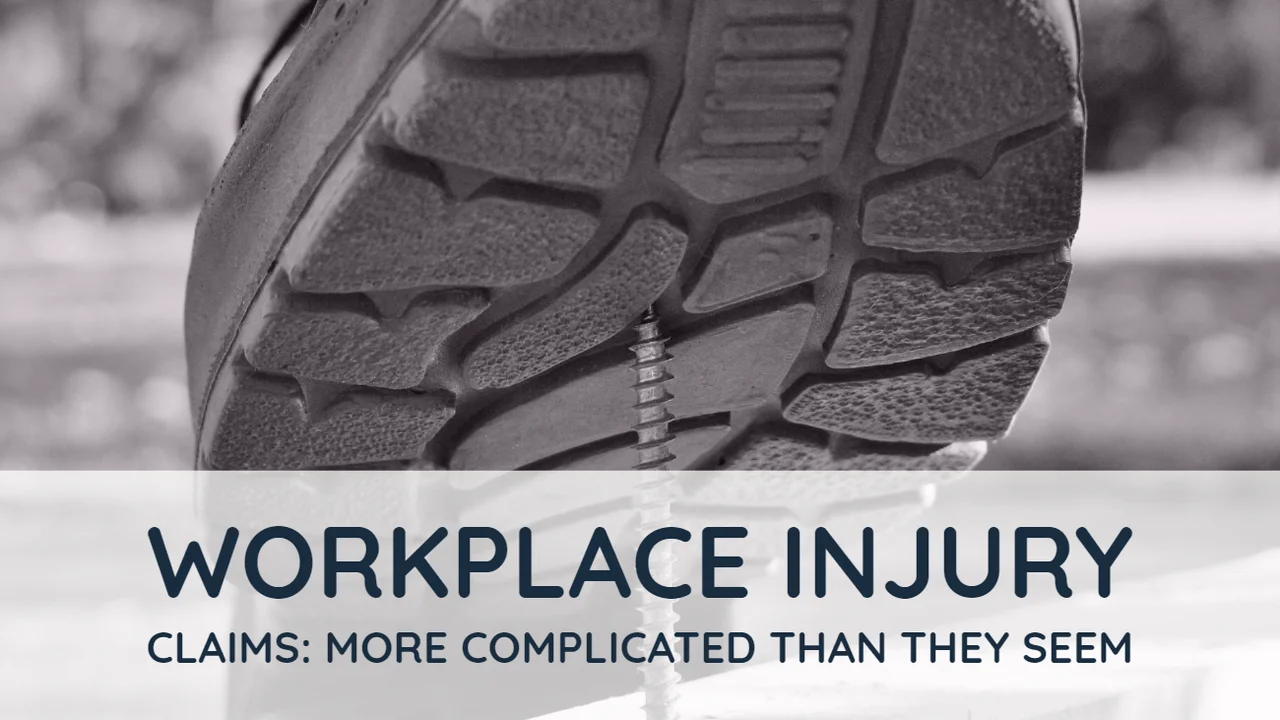
Essential information for pursuing a personal injury claim for injuries in an office environment.
Office Workplace Injury Claims What to Know
Understanding Office Workplace Injuries and Your Rights
Hey there! So, you've had an accident at the office, and now you're wondering what your options are. It's a common misconception that offices are completely safe environments. While they might not have the heavy machinery of a factory or the heights of a construction site, office workplaces can still be hotbeds for various types of injuries. From repetitive strain injuries to slips and falls, and even issues related to poorly designed workstations, office workers face a unique set of risks. Knowing your rights and understanding the process for filing a personal injury claim is crucial, whether you're in the USA or Southeast Asia. This guide will walk you through everything you need to know to protect yourself and seek the compensation you deserve.
Common Office Workplace Injuries Identifying the Risks
Let's dive into some of the most frequent injuries that can occur in an office setting. It's not always about dramatic accidents; often, it's the cumulative effect of poor ergonomics or overlooked hazards. Recognizing these can help you prevent them or build a stronger case if an injury does occur.
Repetitive Strain Injuries RSI Carpal Tunnel Syndrome
One of the most prevalent issues in office environments is Repetitive Strain Injury (RSI). This isn't a single condition but a general term for pain felt in muscles, nerves, and tendons caused by repetitive movement and overuse. Carpal Tunnel Syndrome, often affecting the wrist and hand, is a classic example. It's frequently linked to prolonged computer use, especially with improper keyboard and mouse positioning. Other RSIs can affect the neck, shoulders, and back. Symptoms often include pain, tingling, numbness, and weakness. Early diagnosis and intervention are key, but if your employer hasn't provided adequate ergonomic support, you might have a claim.
Slips Trips and Falls Office Hazards
Believe it or not, slips, trips, and falls are still a leading cause of injury in offices. Think about it: spilled coffee, loose cables, uneven flooring, cluttered walkways, or even just a wet spot from a leaky air conditioner. These seemingly minor hazards can lead to serious injuries like sprains, fractures, head injuries, and back problems. Employers have a duty to maintain a safe environment, and if their negligence led to your fall, you likely have a case.
Back and Neck Injuries Ergonomics and Posture
Prolonged sitting, especially with poor posture, can wreak havoc on your back and neck. Many office workers spend hours hunched over computers, leading to chronic pain, disc issues, and muscle strain. Inadequate ergonomic chairs, desks that aren't adjustable, and a lack of breaks can all contribute to these types of injuries. While some might argue these are personal responsibility, employers are often obligated to provide ergonomically sound workstations and encourage healthy work habits.
Eye Strain and Headaches Digital Overload
While not always leading to a direct personal injury claim, severe eye strain, headaches, and even migraines can be debilitating for office workers. Prolonged screen time, improper lighting, and glare can all contribute. If these issues significantly impact your ability to work or your overall health, and your employer has failed to provide appropriate measures like anti-glare screens or regular breaks, it's worth documenting.
Steps to Take After an Office Workplace Injury Immediate Actions
If you've been injured at the office, your immediate actions are critical for both your health and the strength of any potential claim. Don't delay!
Report the Injury Promptly Documentation is Key
This is perhaps the most important step. Report your injury to your supervisor or HR department immediately, or as soon as reasonably possible. Most companies have a formal incident report process. Make sure you get a copy of this report. Verbal reports are good, but written documentation is always better. This creates an official record of the incident.
Seek Medical Attention Do Not Delay Treatment
Even if you think your injury is minor, get it checked out by a medical professional. Some injuries, like whiplash or certain RSIs, might not manifest severe symptoms until hours or days later. A doctor's visit creates a medical record linking your injury to the workplace incident, which is crucial for any claim. Follow all medical advice and attend all follow-up appointments.
Gather Evidence Photos Witnesses Records
If possible and safe to do so, gather evidence at the scene. Take photos of the hazard that caused your injury (e.g., spilled liquid, faulty chair, cluttered aisle). Get contact information from any witnesses. Keep a detailed record of everything: dates, times, names of people you spoke with, and a personal journal of your symptoms and how the injury affects your daily life.
Workers Compensation vs Personal Injury Claim Understanding Your Options
This is where things can get a bit nuanced. In many jurisdictions, especially in the USA, workers' compensation is the primary avenue for workplace injuries. However, there are situations where you might also have a personal injury claim.
Workers Compensation No Fault System
Workers' compensation is a no-fault insurance system. This means that generally, you don't have to prove your employer was negligent to receive benefits. It covers medical expenses and a portion of lost wages. However, in exchange for this no-fault system, you typically give up your right to sue your employer directly for pain and suffering. The rules and benefits vary significantly by state in the USA and by country in Southeast Asia.
Third Party Personal Injury Claims Employer Negligence
While you usually can't sue your employer directly for negligence if you're covered by workers' comp, you might have a personal injury claim against a 'third party.' A third party is anyone other than your employer or a co-worker who contributed to your injury. For example:
- Manufacturer of a defective office chair: If your injury was caused by a faulty chair, you might have a product liability claim against the manufacturer.
- Building owner or property management company: If the office building itself had a structural defect or maintenance issue (e.g., a broken stair, poor lighting in a common area) that caused your injury, you might sue them.
- Vendor or contractor: If an outside cleaning crew left a wet floor unmarked, or a maintenance worker left tools in a walkway, they could be liable.
In these cases, you can pursue a personal injury claim for damages beyond what workers' comp offers, including pain and suffering.
Ergonomic Solutions and Product Recommendations Preventing Office Injuries
Prevention is always better than cure. Investing in proper ergonomic equipment can significantly reduce the risk of office-related injuries. Here are some recommendations, keeping in mind that specific needs vary.
Ergonomic Chairs Investing in Comfort and Support
A good ergonomic chair is perhaps the most crucial piece of office equipment. It should support the natural curve of your spine, allow your feet to be flat on the floor (or on a footrest), and have adjustable armrests. Here are a few popular options:
- Herman Miller Aeron: Often considered the gold standard, the Aeron (starting around $1,500-$2,000 USD) is highly adjustable and offers excellent lumbar support and breathability. It's a significant investment but known for its durability and comfort. Ideal for those who spend long hours at their desk and need premium support.
- Steelcase Gesture: (Starting around $1,200-$1,800 USD) This chair is designed to support a wide range of postures and technologies, making it great for users who frequently switch between devices (laptop, tablet, phone). Its armrests are particularly versatile.
- Ergohuman High Back Swivel Chair: (Starting around $600-$900 USD) A more budget-friendly option than the top-tier brands, the Ergohuman still offers extensive adjustability, including lumbar support, armrests, and headrest. Good for general office use where a balance of features and cost is desired.
Adjustable Standing Desks Promoting Movement
Sitting all day is detrimental to health. An adjustable standing desk allows you to alternate between sitting and standing, promoting better circulation and reducing back pain. Many come with electric motors for easy height adjustment.
- Uplift V2 Standing Desk: (Starting around $600-$1,000 USD for frame and basic top) Highly customizable with various desktop materials and accessories. Known for its stability and wide range of height adjustments. Great for users who want a personalized setup.
- Jarvis Standing Desk by Fully: (Starting around $500-$900 USD) Another popular choice, offering a sturdy frame and various desktop options, including bamboo. Good value for money with reliable performance.
- FlexiSpot EC1 Electric Standing Desk: (Starting around $250-$400 USD) A more entry-level option, still offering electric height adjustment. Suitable for those on a tighter budget who want to try out a standing desk.
Ergonomic Keyboards and Mice Reducing Strain
These peripherals are crucial for preventing RSIs like carpal tunnel syndrome.
- Microsoft Sculpt Ergonomic Desktop: (Around $100-$130 USD) This combo includes a split keyboard and a dome-shaped mouse, designed to keep your wrists and forearms in a more natural position. Excellent for general office use and reducing wrist strain.
- Logitech MX Master 3S Mouse: (Around $100-$120 USD) While not strictly 'ergonomic' in the split sense, its contoured shape fits the hand well, and its customizable buttons and smooth scrolling reduce repetitive movements. Great for power users and those who need precision.
- Kinesis Freestyle Edge RGB Split Mechanical Keyboard: (Around $200-$250 USD) For serious typists or programmers, a split mechanical keyboard allows for greater customization of hand placement, reducing ulnar deviation.
Monitor Arms and Risers Optimizing Screen Height
Your monitor should be at eye level, with the top of the screen even with your eyes. This prevents neck strain. Monitor arms offer flexibility.
- Ergotron LX Desk Monitor Arm: (Around $180-$250 USD) A premium, highly adjustable arm that can hold monitors up to 34 inches. Known for its smooth movement and durability. Ideal for multi-monitor setups or frequent adjustments.
- VIVO Single LCD Monitor Desk Mount: (Around $30-$50 USD) A more affordable option that still provides good adjustability for a single monitor. Good for basic setups.
Footrests and Anti-Fatigue Mats Supporting Posture
A footrest can help maintain proper posture if your feet don't reach the floor. An anti-fatigue mat is essential for standing desk users.
- Fellowes I-Spire Series Foot Rest: (Around $30-$50 USD) Simple, adjustable, and effective for promoting proper leg and back alignment while sitting.
- Topo Anti-Fatigue Mat by Ergodriven: (Around $100-$120 USD) This mat has varied terrain, encouraging subtle movement and reducing fatigue more effectively than flat mats. Great for active standing desk users.
Legal Considerations USA vs Southeast Asia Key Differences
The legal landscape for workplace injuries can vary significantly between the USA and countries in Southeast Asia. It's crucial to understand these differences.
USA Workers Compensation State Specific Laws
In the USA, workers' compensation laws are state-specific. This means the benefits, filing procedures, and even the definition of a workplace injury can differ greatly from California to New York, or Texas. Some states are more employee-friendly, while others lean towards employers. It's essential to consult with a local attorney who understands your state's specific laws.
Southeast Asia Diverse Legal Frameworks
Southeast Asia is a diverse region with varying legal systems. Countries like Singapore and Malaysia have more developed workers' compensation schemes, often influenced by British common law. Others, like Vietnam or Indonesia, might have different social security systems or rely more on direct employer liability under labor laws. The concept of 'personal injury' and the ability to sue for pain and suffering can also differ. For example, in some countries, statutory benefits might be the primary or sole recourse, while in others, a civil lawsuit for negligence might be more common. Cultural norms around litigation also play a role. Always seek advice from a lawyer specializing in workplace injury law in the specific country where the incident occurred.
Hiring a Workplace Injury Lawyer When and Why
Navigating workplace injury claims can be complex, especially when dealing with insurance companies or potentially hostile employers. A personal injury lawyer specializing in workplace accidents can be an invaluable asset.
When to Hire a Lawyer Complex Cases Denied Claims
You should consider hiring a lawyer if:
- Your workers' compensation claim is denied.
- Your employer disputes the extent of your injuries or your ability to work.
- You believe a third party is responsible for your injury.
- Your injury is severe, leading to long-term disability or significant lost wages.
- You're offered a settlement that seems too low.
- You're facing retaliation from your employer for filing a claim.
Benefits of Legal Representation Maximizing Your Compensation
A good lawyer will:
- Understand the Law: They know the intricacies of workers' compensation laws and personal injury statutes in your jurisdiction.
- Gather Evidence: They can help you collect crucial evidence, including medical records, witness statements, and expert testimony.
- Negotiate with Insurers: Insurance companies often try to minimize payouts. A lawyer can negotiate on your behalf to ensure you receive fair compensation.
- Represent You in Court: If a fair settlement can't be reached, they can represent you in court or before administrative boards.
- Identify All Avenues for Compensation: They can determine if you have a valid third-party claim in addition to workers' compensation.
Calculating Your Workplace Injury Settlement What to Expect
The value of your claim depends on many factors. There's no one-size-fits-all answer, but here are the components typically considered.
Medical Expenses Past Present Future
This includes all costs related to your injury: doctor visits, hospital stays, surgeries, medications, physical therapy, and any future medical care you'll need.
Lost Wages and Earning Capacity Income Loss
You can claim for wages you've already lost due to being unable to work. If your injury prevents you from returning to your previous job or reduces your earning capacity in the long term, you can also claim for future lost earnings.
Pain and Suffering Emotional Distress
This is where a personal injury claim (often against a third party) differs significantly from workers' compensation. Pain and suffering damages compensate you for the physical pain, emotional distress, loss of enjoyment of life, and other non-economic impacts of your injury. These are often calculated based on the severity and duration of your injury.
Other Damages Property Damage Out of Pocket Expenses
This could include things like transportation costs to medical appointments, modifications to your home or vehicle if your injury causes disability, or any other out-of-pocket expenses directly related to your injury.
Statute of Limitations Office Injury Claims Time Limits
Every personal injury claim, including those arising from workplace accidents, has a strict deadline for filing, known as the statute of limitations. If you miss this deadline, you lose your right to pursue compensation.
USA State Specific Deadlines
In the USA, the statute of limitations for workers' compensation claims is typically much shorter than for personal injury claims, often ranging from a few months to a year from the date of injury or diagnosis. For personal injury claims (e.g., against a third party), it can range from one to six years, depending on the state. It's crucial to know the specific deadline for your state.
Southeast Asia Varying Timeframes
Similarly, in Southeast Asian countries, these timeframes will vary. Some countries might have very short periods for reporting workplace incidents, while others might allow more time for civil claims. Again, local legal advice is essential to ensure you don't miss any critical deadlines.
Final Thoughts on Office Workplace Injury Claims
Dealing with an office workplace injury can be stressful and confusing. Remember to prioritize your health, document everything, and understand your legal options. Whether it's a workers' compensation claim or a third-party personal injury lawsuit, knowing your rights and acting promptly are your best defenses. Don't hesitate to seek professional legal advice to ensure you receive the full compensation you deserve for your injuries and losses.
:max_bytes(150000):strip_icc()/277019-baked-pork-chops-with-cream-of-mushroom-soup-DDMFS-beauty-4x3-BG-7505-5762b731cf30447d9cbbbbbf387beafa.jpg)