Top 7 Places Where Slip and Falls Occur
Identify the 7 most common locations for slip and fall accidents and how to prevent them.
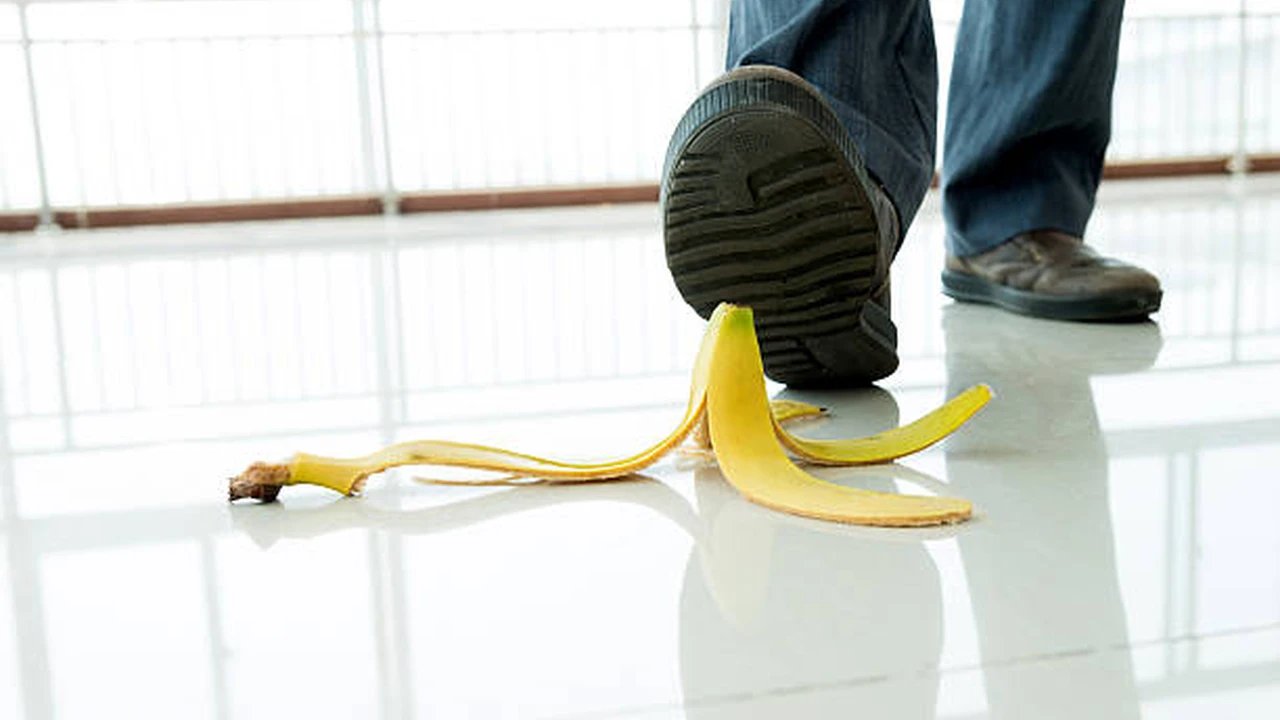
Identify the 7 most common locations for slip and fall accidents and how to prevent them.
Top 7 Places Where Slip and Falls Occur
Hey there! Let's talk about something super common but often overlooked: slip and fall accidents. You might think they're just clumsy mishaps, but they can lead to serious injuries, from sprains and fractures to head trauma. And guess what? Many of these accidents happen in predictable places. Knowing where these hotspots are can help you be more careful and, if the worst happens, understand your rights. We're going to dive into the top 7 places where slip and falls frequently occur, discuss why they're dangerous, and even touch on some preventative measures and products that can make a difference. This isn't just about avoiding a tumble; it's about staying safe and informed, whether you're in the bustling streets of New York or a quiet market in Bangkok.
Grocery Stores and Supermarkets Slip and Fall Hazards
Grocery stores are a prime location for slip and fall incidents, and it's not hard to see why. Think about it: spills from broken jars, leaky freezer cases, melted ice, or even just tracked-in rain or snow. These places are busy, and sometimes, staff can't clean up messes as quickly as they happen. The combination of high foot traffic and potential liquid hazards creates a perfect storm for accidents. Imagine walking down the produce aisle, admiring some fresh fruit, and suddenly your feet are out from under you because of a rogue grape or a puddle of water from a misting system. It happens more often than you'd think!
Common Dangers in Grocery Stores
- Spills: Water, juice, oil, broken food items.
- Produce debris: Loose grapes, lettuce leaves, fruit peels.
- Wet floors: From cleaning, refrigeration leaks, or tracked-in weather.
- Uneven flooring: Worn mats, cracked tiles, or changes in floor height.
- Obstructions: Boxes, display items, or cleaning equipment left in aisles.
Prevention and Safety Tips for Shoppers
Always be aware of your surroundings. Look where you're going, and don't be afraid to report spills to staff. If you see a wet floor sign, heed it! For store owners, regular inspections, prompt cleanup, and proper signage are crucial. Investing in good quality, absorbent floor mats at entrances can also make a huge difference, especially during bad weather.
Restaurants and Cafes Dining Out Slip and Fall Risks
Eating out should be a relaxing experience, but restaurants and cafes can also be hotspots for slip and fall accidents. Picture this: a busy waiter rushing with a tray, a spilled drink on a tiled floor, or grease from the kitchen making its way into the dining area. Kitchens, in particular, are notoriously slippery due to grease, water, and food debris. But even in the dining area, a dropped ice cube or a freshly mopped floor without proper warning can lead to a nasty fall. The ambiance might be great, but safety should always be a priority for both patrons and establishments.
Typical Hazards in Eateries
- Food and drink spills: Water, soda, sauces, dropped food.
- Grease: Especially near kitchen entrances or in the kitchen itself.
- Wet floors: From cleaning, dishwashing areas, or restroom leaks.
- Uneven surfaces: Worn carpets, loose floorboards, or transitions between different flooring types.
- Poor lighting: Making it difficult to see hazards, especially in dimly lit areas or restrooms.
Staying Safe While Dining
If you notice a spill, inform the staff immediately. Wear appropriate footwear with good traction, especially if you're working in a restaurant. For restaurant owners, implementing strict cleaning protocols, using anti-slip mats in high-risk areas (like kitchens and near bars), and ensuring adequate lighting are essential. Regular maintenance of flooring is also key to preventing unexpected trips.
Workplaces and Offices Occupational Slip and Fall Dangers
Your workplace should be a safe environment, but unfortunately, slip and fall accidents are common in offices and industrial settings alike. From spilled coffee in the breakroom to loose cables under desks, the office environment presents its own unique set of hazards. In industrial settings, the risks are often amplified, with oil spills, uneven surfaces, and machinery creating more dangerous conditions. These accidents can lead to workers' compensation claims and significant downtime, impacting both the individual and the business. It's not just about a messy desk; it's about a safe working environment for everyone.
Common Workplace Hazards
- Spills: Water, coffee, cleaning solutions.
- Loose cables and wires: Especially in office areas or near equipment.
- Uneven flooring: Worn carpets, damaged tiles, or changes in floor levels.
- Wet floors: From cleaning, leaks, or tracked-in weather.
- Obstructions: Boxes, equipment, or supplies left in walkways.
- Poor lighting: In stairwells, storage areas, or dimly lit offices.
Workplace Safety and Prevention
Employers have a responsibility to maintain a safe workplace. This includes regular inspections, prompt cleanup of spills, securing cables, and ensuring proper lighting. Employees should also be vigilant, reporting hazards and following safety protocols. Wearing appropriate footwear, especially in industrial settings, is also crucial. Many companies invest in anti-fatigue mats for standing workstations, which can also offer some slip resistance.
Hospitals and Healthcare Facilities Patient Safety Slip and Fall
Hospitals and healthcare facilities are places where people go to get better, but they can also be high-risk areas for slip and fall accidents, especially for patients who may be weak, disoriented, or on medication. Wet floors from spills, cleaning, or patient care, combined with the need for quick movement by staff, create a challenging environment. The consequences of a fall in a hospital can be particularly severe, leading to extended stays, new injuries, or complications for existing conditions. It's a delicate balance between maintaining hygiene and ensuring patient and staff safety.
Specific Risks in Healthcare Settings
- Spills: Water, bodily fluids, medications.
- Wet floors: From cleaning, patient care, or leaks.
- Uneven surfaces: Transitions between different flooring types, worn mats.
- Obstructions: Medical equipment, carts, or supplies left in hallways.
- Patient conditions: Weakness, dizziness, impaired mobility, or medication side effects.
- Poor lighting: In patient rooms, hallways, or storage areas.
Ensuring Safety in Hospitals
Hospitals must have rigorous cleaning and spill response protocols. Non-slip flooring, especially in patient rooms and bathrooms, is essential. Staff should be trained to assist patients with mobility issues and to promptly address any hazards. Patients and visitors should also be encouraged to report spills and use call buttons for assistance. For patients, wearing non-slip socks or shoes provided by the hospital can significantly reduce risk.
Construction Sites and Industrial Zones High Risk Slip and Fall Environments
Construction sites and industrial zones are inherently dangerous environments, and slip and fall accidents are a significant concern. Uneven terrain, debris, wet or oily surfaces, and working at heights all contribute to a high risk of injury. These accidents can be particularly severe, leading to broken bones, head injuries, or even fatalities. The dynamic nature of these sites means that hazards can appear and change rapidly, requiring constant vigilance and strict adherence to safety protocols. It's a tough environment where safety can never be an afterthought.
Unique Dangers in Industrial Settings
- Uneven ground: Dirt, gravel, trenches, or unfinished flooring.
- Debris: Construction materials, tools, or waste.
- Wet or oily surfaces: From rain, spills, or machinery leaks.
- Scaffolding and ladders: Improperly secured or maintained.
- Openings and holes: Uncovered or unmarked.
- Poor lighting: Especially in unfinished areas or during night shifts.
Safety Measures for Workers and Sites
Strict safety regulations, regular site inspections, and proper training are paramount. Workers must wear appropriate personal protective equipment (PPE), including non-slip work boots. Employers should ensure that all hazards are clearly marked, spills are cleaned immediately, and walking surfaces are kept clear. Investing in high-quality safety mats for specific workstations can also provide additional traction and reduce fatigue.
Private Residences and Homes Unexpected Slip and Fall Hazards
You might think your home is the safest place, but a surprising number of slip and fall accidents occur in private residences. From loose rugs and cluttered stairs to wet bathroom floors, the comfort of home can sometimes lead to complacency about safety. These accidents can be particularly devastating for the elderly or those with mobility issues, often leading to long-term recovery or a loss of independence. It's a reminder that even in our most familiar spaces, vigilance is key.
Common Home Hazards
- Loose rugs and mats: Without anti-slip backing.
- Cluttered stairs: Objects left on steps.
- Wet bathroom floors: After showering or bathing.
- Spills: In kitchens or dining areas.
- Poor lighting: In hallways, stairwells, or basements.
- Uneven surfaces: Worn flooring, thresholds, or cracked pathways outside.
Making Your Home Safer
Secure all rugs with anti-slip pads. Keep stairs clear of clutter and ensure good lighting. Use bath mats with suction cups in showers and tubs. Clean up spills immediately. For outdoor areas, ensure pathways are well-maintained and clear of ice or debris. For elderly residents, consider installing grab bars in bathrooms and ensuring adequate lighting throughout the home. Simple changes can make a big difference.
Public Sidewalks and Walkways Outdoor Slip and Fall Risks
Walking down the street seems harmless enough, but public sidewalks and walkways can be surprisingly dangerous. Cracked pavement, uneven surfaces, potholes, ice, snow, or even fallen leaves can all contribute to slip and fall accidents. Local municipalities or property owners are often responsible for maintaining these areas, and their negligence can lead to serious injuries. Whether you're in a bustling city center or a quiet suburban street, keeping an eye on the ground beneath your feet is always a good idea.
Outdoor Walking Hazards
- Cracked or uneven pavement: From tree roots, weather, or poor maintenance.
- Potholes: Especially after heavy rain or winter weather.
- Ice and snow: Unshoveled or untreated walkways.
- Fallen leaves or debris: Obscuring hazards or becoming slippery when wet.
- Poor lighting: Making it difficult to see hazards at night.
- Construction zones: Unmarked or poorly secured areas.
Navigating Public Spaces Safely
Always pay attention to your surroundings and wear appropriate footwear for the weather conditions. Report dangerous conditions to the local authorities or property owners. If you're a property owner, ensure your sidewalks are well-maintained and clear of hazards, especially during winter months. Good lighting in public areas is also crucial for pedestrian safety.
Preventative Products and Solutions for Slip and Fall Safety
Now that we've covered the common places, let's talk about some practical solutions. There's a whole world of products designed to prevent slip and fall accidents, from simple mats to advanced flooring solutions. Investing in these can save you a lot of pain and potential legal headaches down the line. We'll look at a few categories and even recommend some specific products that are highly rated and widely available.
Anti-Slip Mats and Tapes Enhanced Traction Solutions
These are probably the most common and versatile preventative measures. Anti-slip mats are great for entrances, kitchens, bathrooms, and industrial workstations. Anti-slip tapes can be applied to stairs, ramps, and other smooth surfaces to provide extra grip.
Recommended Products:
- Gorilla Grip Original Durable Rubber Door Mat: This mat is fantastic for home entrances. It's heavy-duty, designed to trap dirt and moisture, and has a strong rubber backing to prevent slipping. It's available on Amazon for around $25-$40, depending on size. It's great for both indoor and outdoor use, especially in areas prone to tracking in water or mud.
- Traction Tread Anti-Slip Tape by EdenProducts: This tape is perfect for stairs, ramps, and even shower floors. It's easy to apply, incredibly durable, and provides excellent grip. A 60-foot roll typically costs about $20-$30 on Amazon. It's a cost-effective solution for making slippery surfaces much safer, whether it's a wooden staircase at home or a metal ramp in a warehouse.
- WaterHog Fashion Commercial Entrance Mat: For businesses, this mat is a game-changer. It's designed for high-traffic areas, absorbs a ton of water, and has a durable rubber backing that won't slip. Prices vary by size, but a standard 3x5 foot mat can be around $100-$150 from commercial suppliers like Grainger or online retailers. It's a professional-grade solution for grocery stores, restaurants, and office buildings.
Non-Slip Footwear and Shoe Grips Personal Safety Gear
What you wear on your feet makes a huge difference, especially if you work in a high-risk environment or live in an area with frequent ice and snow. Non-slip shoes are a must for many professions, and temporary shoe grips can be a lifesaver in winter.
Recommended Products:
- Skechers Work Relaxed Fit Cessnock SR: These are popular non-slip work shoes, especially in the food service industry. They offer great comfort and excellent slip resistance on wet and oily surfaces. You can find them for about $60-$80 on Skechers' website or Zappos. They're a solid choice for restaurant staff, healthcare workers, and anyone who spends a lot of time on their feet on potentially slippery floors.
- Yaktrax Walk Traction Cleats: When winter hits, these are invaluable. They easily stretch over your existing shoes or boots, providing fantastic grip on ice and packed snow. A pair costs around $20-$30 on Amazon or at outdoor retailers. Essential for anyone walking outdoors in icy conditions, whether for work or leisure.
- Shoes For Crews Freestyle II: Another excellent option for professionals needing reliable slip resistance. These shoes are known for their patented slip-resistant outsole and comfortable design. They typically range from $50-$70 on the Shoes For Crews website. Widely used in hospitality, healthcare, and industrial settings.
Anti-Slip Floor Coatings and Treatments Long-Term Surface Solutions
For a more permanent solution, especially in commercial or industrial settings, anti-slip floor coatings and treatments can be applied directly to the floor surface. These can dramatically increase the coefficient of friction, making floors much safer.
Recommended Products:
- Rust-Oleum Anti-Slip Coating: This is a great option for concrete, wood, and metal surfaces. It creates a textured, non-slip finish that's durable and resistant to chemicals. A gallon can cost around $50-$70 at hardware stores like Home Depot or Lowe's. It's ideal for garage floors, workshops, outdoor ramps, and even some industrial applications.
- SlipDoctors Dura Grip Anti-Slip Paint: A high-performance, durable anti-slip paint that's suitable for a wide range of surfaces, including concrete, tile, and fiberglass. It's designed for both indoor and outdoor use and provides excellent traction. A gallon typically runs about $100-$150 from the SlipDoctors website or specialty paint suppliers. This is a more robust solution for commercial kitchens, pool decks, and industrial floors.
- Sure Step Non-Slip Floor Treatment: This isn't a coating, but a chemical treatment that creates a microscopic tread pattern on mineral surfaces like ceramic tile, porcelain, and concrete. It's invisible and doesn't change the appearance of the floor. A kit for a small area might be $50-$100, while larger commercial kits can be several hundred dollars. It's a fantastic option for bathrooms, kitchens, and lobbies where you want to maintain the aesthetic of the original flooring while significantly improving slip resistance.
Grab Bars and Handrails Accessibility and Support
While not directly preventing a slip, grab bars and handrails are crucial for preventing falls, especially for individuals with mobility challenges. They provide essential support and stability in high-risk areas.
Recommended Products:
- Moen Home Care 16-Inch Grab Bar: Moen is a trusted brand for bathroom fixtures. This grab bar is made of durable stainless steel, easy to install, and provides reliable support in showers, tubs, or near toilets. It costs about $20-$30 on Amazon or at hardware stores. Essential for making bathrooms safer for seniors or anyone with mobility issues.
- Stander Security Pole and Curve Grab Bar: This is a versatile tension-mounted pole that can be installed anywhere in the home without drilling. It provides a sturdy grab bar for assistance when standing or transferring. It's a bit pricier, around $150-$200, but offers incredible flexibility and support, especially for bedside or near recliners.
- HealthCraft SuperPole with SuperBar: Similar to the Stander pole but often with additional features and configurations, offering even more support and adjustability. Prices can range from $200-$300+. These are excellent for individuals needing significant assistance with mobility and transfers in various rooms of the house.
Remember, the best approach to slip and fall prevention is often a combination of these solutions, tailored to the specific environment and its risks. Whether you're a homeowner, a business owner, or just someone navigating the world, being proactive about safety can make a huge difference.
:max_bytes(150000):strip_icc()/277019-baked-pork-chops-with-cream-of-mushroom-soup-DDMFS-beauty-4x3-BG-7505-5762b731cf30447d9cbbbbbf387beafa.jpg)