Toxic Exposure Product Liability Lawsuits
Legal considerations and steps for pursuing a personal injury claim from toxic product exposure.
Legal considerations and steps for pursuing a personal injury claim from toxic product exposure.
Toxic Exposure Product Liability Lawsuits Navigating Your Claim
Understanding Toxic Exposure Claims What You Need to Know
Hey there! If you're reading this, chances are you or someone you care about has been exposed to a toxic substance, and you're wondering what your legal options are. It's a tough situation, and the legal landscape around toxic exposure can feel like a maze. But don't worry, we're here to break it down for you. Toxic exposure product liability lawsuits are a specific type of personal injury claim where someone gets sick or injured because of a dangerous chemical or substance in a product. This isn't just about a spilled cleaning product; we're talking about long-term exposure to things like asbestos, lead, certain pesticides, or even chemicals in everyday consumer goods that turn out to be harmful. The key here is that the harm comes from a product, and that product was either designed defectively, manufactured improperly, or didn't come with adequate warnings about its dangers. It's a complex area because often, the effects of toxic exposure aren't immediate. They can manifest years, or even decades, after the initial exposure, making it challenging to connect the dots between the product and your illness. That's why understanding the nuances of these claims is so crucial.Common Toxic Products and Their Dangers Identifying the Culprits
So, what kind of products are we talking about? The list is surprisingly long and varied. Let's dive into some of the most common culprits and the health issues they can cause:Asbestos Products and Mesothelioma Claims
Asbestos is probably one of the most well-known toxic substances. For decades, it was used in countless building materials, insulation, automotive parts, and even some household items because of its fire-resistant properties. The problem? When asbestos fibers are inhaled, they can cause severe lung diseases, including asbestosis, lung cancer, and the particularly aggressive cancer known as mesothelioma. The latency period for these diseases can be 20 to 50 years, meaning someone exposed in the 1970s might only be diagnosed today. Many companies knew about the dangers of asbestos but continued to use it, leading to a wave of product liability lawsuits. If you or a loved one worked in construction, shipbuilding, or manufacturing before the 1980s, asbestos exposure is a real concern.Lead-Based Paint and Childhood Poisoning Lawsuits
Lead paint was widely used in homes, toys, and furniture until it was banned in the US in 1978. However, many older homes still contain lead paint, and as it deteriorates, it can create lead dust that children can ingest. Lead poisoning can cause severe developmental problems, learning disabilities, behavioral issues, and even organ damage. Lawsuits often target landlords, property owners, or manufacturers who failed to disclose the presence of lead paint or properly abate it. In Southeast Asia, lead paint is still a concern in some regions, particularly in imported goods or older structures, making awareness and legal action equally important.Pesticides and Herbicides Agricultural Chemical Injury
Agricultural workers, farmers, and even homeowners can be exposed to harmful pesticides and herbicides. Products like Roundup (glyphosate) have been at the center of numerous lawsuits, with claims linking them to non-Hodgkin lymphoma and other cancers. Other pesticides can cause neurological damage, respiratory problems, and reproductive issues. These cases often involve proving that the manufacturer failed to adequately warn users about the risks or that the product was inherently defective in its design, making it unreasonably dangerous even when used as directed.Toxic Chemicals in Consumer Products Everyday Risks
This category is vast and ever-evolving. Think about chemicals in plastics (like phthalates in children's toys), flame retardants in furniture, PFAS 'forever chemicals' in non-stick cookware and waterproof clothing, or even formaldehyde in certain building materials and cosmetics. While individual exposure might seem small, cumulative exposure over time can lead to serious health problems, including cancers, endocrine disruption, and reproductive issues. Identifying the specific product and chemical responsible can be challenging, but it's not impossible with the right legal and scientific expertise.Contaminated Water and Environmental Toxin Claims
Sometimes, the toxic exposure isn't from a single product but from widespread environmental contamination, often caused by industrial pollution. Think about cases like Flint, Michigan, where the water supply was contaminated with lead, or communities exposed to industrial chemicals like TCE or PFOA in their drinking water. While these aren't strictly 'product liability' in the traditional sense, they often involve claims against the companies whose products or waste led to the contamination, making them closely related in terms of legal strategy and impact.Comparing Toxic Exposure Claims USA vs Southeast Asia Legal Frameworks
Navigating a toxic exposure claim can differ significantly depending on where you are. Let's look at the general differences between the USA and Southeast Asia.United States Product Liability Law Strict Liability and Negligence
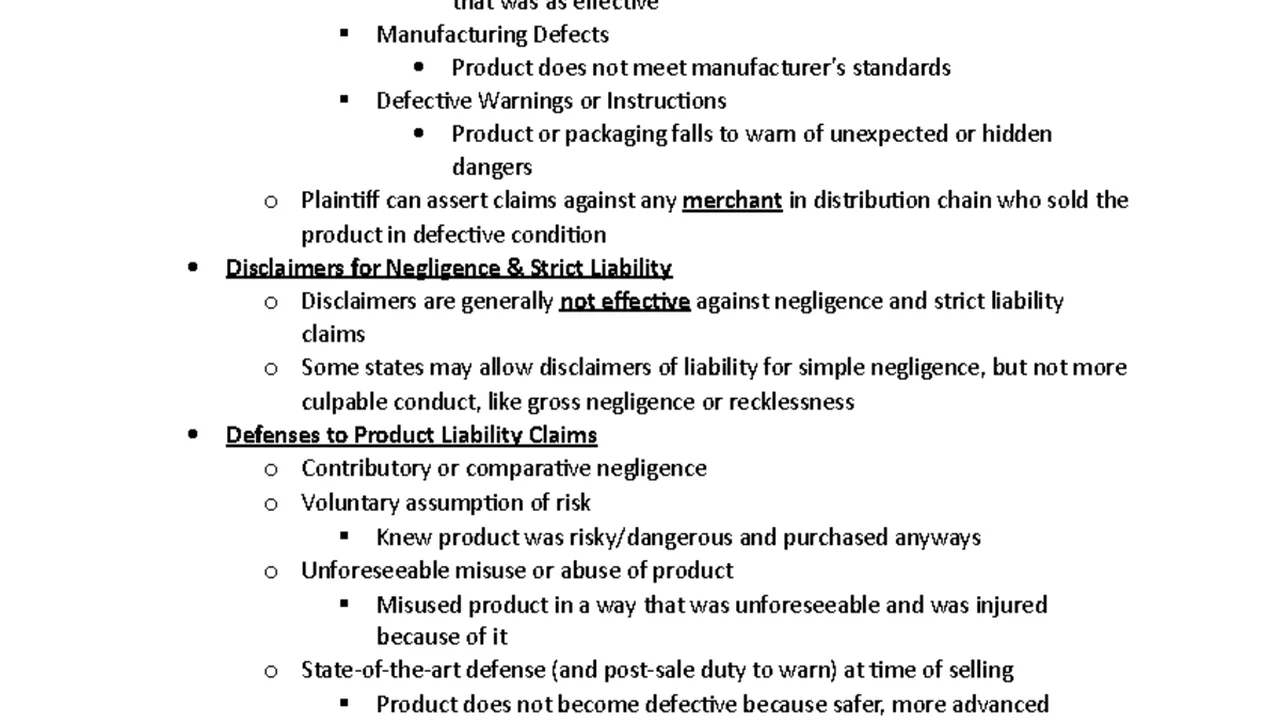
In the USA, product liability law is generally quite robust. Many states operate under a 'strict liability' standard for defective products. This means you don't necessarily have to prove that the manufacturer was negligent; you just need to show that the product was defective, that the defect caused your injury, and that you were using the product as intended. There are three main types of defects: manufacturing defects (a flaw in how it was made), design defects (the product's design itself is inherently dangerous), and warning defects (failure to provide adequate instructions or warnings). The US legal system also allows for significant punitive damages in cases where a company's conduct was particularly egregious, which can be a powerful deterrent and a way to compensate victims for severe harm.Southeast Asia Product Liability Emerging Frameworks
Product liability laws in Southeast Asian countries are generally still developing compared to the US. While many countries, like Singapore, Malaysia, and Thailand, have consumer protection acts that address defective products, the concept of strict liability isn't as universally applied or as broad as in the US. Often, claimants might need to prove negligence on the part of the manufacturer or distributor. Enforcement can also vary, and the legal process might be less streamlined. However, there's a growing awareness and push for stronger consumer protection, and some countries are adopting more robust frameworks. For instance, Vietnam has a Law on Product Quality, and Indonesia has a Consumer Protection Law. The key takeaway is that while legal avenues exist, they might require a more nuanced approach and a deeper understanding of local regulations and precedents.The 5 Best Steps After Toxic Exposure Protecting Your Rights
If you suspect you've been exposed to a toxic substance, taking the right steps immediately can make a huge difference in your health and any potential legal claim. Here are 5 crucial steps:- Seek Immediate Medical Attention: Your health is paramount. See a doctor, explain your exposure, and get a thorough examination. Document everything – symptoms, diagnosis, treatments, and medical bills. This creates a vital record for your case.
- Identify the Source of Exposure: Try to pinpoint the specific product or environment that caused the exposure. If it's a product, keep it, along with any packaging, labels, or receipts. If it's an environmental exposure, note the location and any relevant dates.
- Document Everything: Keep a detailed journal of your symptoms, how they affect your daily life, doctor's visits, medications, and any lost wages. Take photos or videos of the product or exposure site if possible.
- Report the Incident: Depending on the source, report the exposure to relevant authorities. This could be a local health department, environmental protection agency, or consumer product safety commission. This creates an official record.
- Consult a Personal Injury Lawyer Specializing in Toxic Torts: This is critical. Toxic exposure cases are incredibly complex, requiring scientific and medical expertise. A lawyer specializing in 'toxic torts' can help you understand your rights, gather evidence, connect your illness to the exposure, and navigate the legal process.
Calculating Your Toxic Exposure Settlement What to Expect
When it comes to compensation, toxic exposure cases can involve significant damages due to the severe and long-lasting nature of the injuries. A personal injury lawyer will help you calculate the full extent of your losses, which typically include:- Medical Expenses: Past and future medical bills, including doctor visits, hospital stays, medications, therapies, and specialized treatments for chronic conditions.
- Lost Wages: Compensation for income you've already lost due to your illness, as well as future earning capacity if your ability to work has been permanently impaired.
- Pain and Suffering: This covers the physical pain, emotional distress, mental anguish, and loss of enjoyment of life caused by the toxic exposure.
- Loss of Consortium: If the injury has impacted your relationship with your spouse, they may be able to claim damages for loss of companionship and support.
- Punitive Damages: In cases where the defendant's conduct was particularly reckless or malicious, punitive damages may be awarded to punish the wrongdoer and deter similar behavior in the future. These are more common in US cases.
The Role of Expert Witnesses in Toxic Tort Cases Scientific Proof
Toxic exposure cases heavily rely on scientific and medical evidence. This is where expert witnesses come in. You'll likely need:- Medical Experts: Doctors, oncologists, neurologists, or other specialists who can testify about your diagnosis, prognosis, and the causal link between the toxic exposure and your illness.
- Toxicologists: Scientists who study the effects of toxic substances on living organisms. They can explain how the specific chemical caused your harm.
- Epidemiologists: Experts who study patterns of disease in populations. They can provide evidence of a link between the toxic substance and a higher incidence of your specific illness in exposed groups.
- Industrial Hygienists or Environmental Engineers: These experts can assess the exposure levels, how the exposure occurred, and whether proper safety protocols were followed.
:max_bytes(150000):strip_icc()/277019-baked-pork-chops-with-cream-of-mushroom-soup-DDMFS-beauty-4x3-BG-7505-5762b731cf30447d9cbbbbbf387beafa.jpg)