Wet Floor Slip and Fall Compensation
Understanding your eligibility for compensation after a slip and fall on a wet floor.
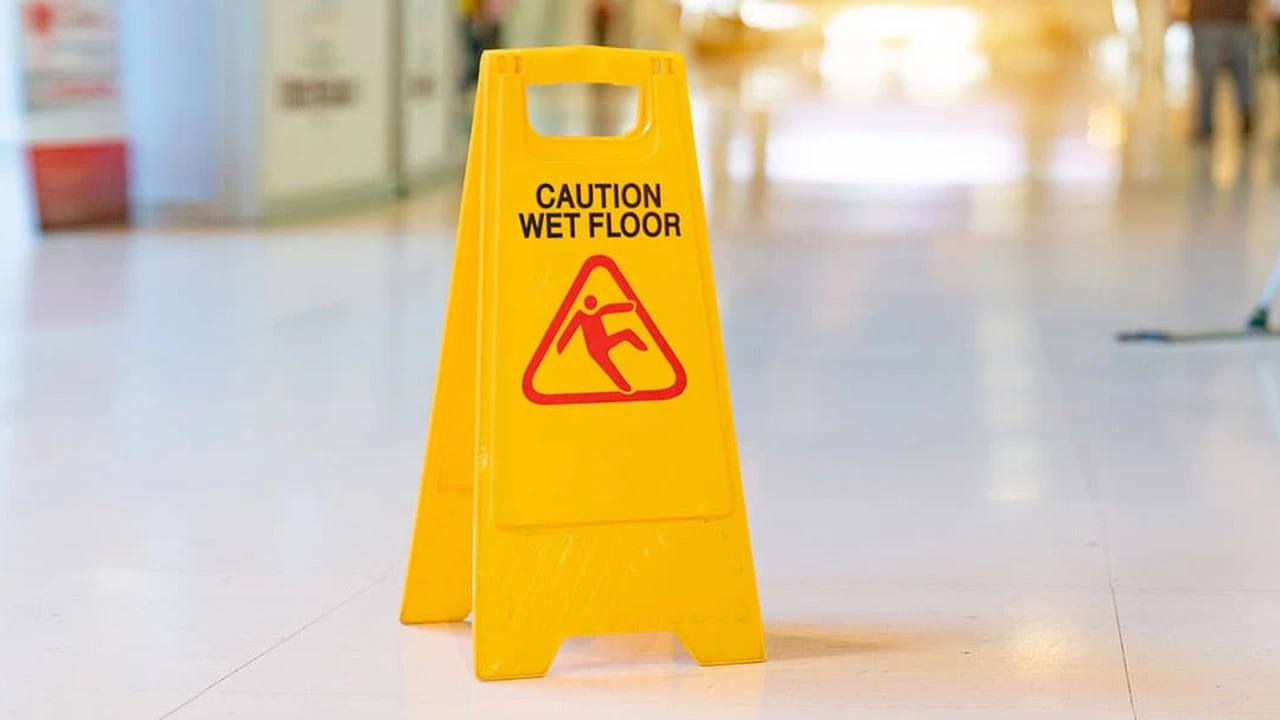
Understanding your eligibility for compensation after a slip and fall on a wet floor.
Wet Floor Slip and Fall Compensation Your Comprehensive Guide
Understanding Wet Floor Slip and Fall Accidents and Your Rights
Hey there! So, you’ve had a nasty fall on a wet floor, and now you’re wondering what your options are. It’s a common scenario, unfortunately, and it can lead to some pretty serious injuries. We’re talking about everything from sprains and fractures to head injuries and even long-term disabilities. The good news is, if someone else’s negligence caused that wet floor, you might be eligible for compensation. This isn't just about getting your medical bills paid; it's about covering lost wages, pain and suffering, and making sure you're taken care of. Let's dive deep into what constitutes a wet floor slip and fall, your legal rights, and how to navigate the often-tricky path to getting the compensation you deserve, whether you're in the USA or Southeast Asia.
First off, what exactly is a 'wet floor slip and fall'? It's pretty much what it sounds like: you slip and fall because a floor is wet. But legally, it's a bit more nuanced. It usually involves a property owner or manager failing to maintain a safe environment. This could be anything from a spilled drink in a supermarket, a leaky roof in an office building, or even just a recently mopped floor without proper warning signs. The key here is negligence. Did the property owner know, or should they have known, about the wet condition and failed to address it or warn you? That's the million-dollar question.
Your rights as a victim are rooted in premises liability law. This area of law holds property owners responsible for injuries that occur on their property due to unsafe conditions. The exact specifics can vary significantly between the USA and countries in Southeast Asia, but the core principle remains: property owners have a duty of care to ensure their premises are reasonably safe for visitors. This duty includes inspecting the property, identifying hazards, and either fixing them or providing adequate warnings. If they fail in this duty and you get hurt, you likely have a case.
Common Causes of Wet Floor Slip and Falls and Injury Impact
Let's break down some of the most common culprits behind those unexpected tumbles. Knowing these can help you understand if your situation fits the bill for a potential claim.
Spills and Leaks Leading to Slip and Fall Accidents
This is probably the most obvious one. Think about a grocery store aisle with a broken jar of pickles, a restaurant with a spilled drink, or a leaky freezer in a convenience store. These are all prime examples. The property owner or their staff should have a system in place to quickly identify and clean up spills. If they don't, or if they take too long, that's a clear sign of negligence. Similarly, leaky roofs, pipes, or even air conditioning units can create hazardous puddles. If a property owner has been aware of a leak for a while and hasn't fixed it, or at least put up warning signs, they're likely liable.
Recently Mopped or Waxed Floors Without Warning Signs
Cleaning is essential, but it needs to be done safely. If a floor has just been mopped, waxed, or polished, it's going to be slippery. Property owners have a responsibility to place 'wet floor' signs prominently and in multiple locations to warn visitors. If you slip on a freshly cleaned floor that had no warning signs, that's a strong point in your favor. It shows a clear failure to warn of a known hazard. This is a common issue in places like shopping malls, office buildings, and even public restrooms.
Inclement Weather Conditions and Entryway Hazards
Rain, snow, or even just a humid day can track water indoors, especially near entryways. While property owners can't control the weather, they are expected to take reasonable steps to mitigate the risks. This includes placing absorbent mats, regularly mopping up tracked-in water, and putting up 'wet floor' signs. If an entryway becomes a slick hazard zone because the property owner didn't bother with mats or regular upkeep during a rainy day, they could be held responsible for any falls that occur.
Poor Drainage and Uneven Surfaces Creating Puddles
Sometimes, the problem isn't just a spill, but a structural issue. Poor drainage, whether indoors or outdoors, can lead to standing water. Uneven flooring, cracks, or dips can also collect water, creating unexpected hazards. If a property owner has neglected maintenance and allowed these conditions to persist, they're creating a dangerous environment. This is particularly relevant in outdoor areas like parking lots, sidewalks, or even indoor areas with poor plumbing.
Injuries Sustained from Wet Floor Falls
The impact of a wet floor fall can range from minor bumps and bruises to life-altering injuries. Here are some of the most common ones we see:
- Fractures and Broken Bones: Wrist fractures (from trying to break the fall), ankle fractures, hip fractures (especially in older individuals), and even broken ribs are common. These often require surgery, casts, and extensive physical therapy.
- Sprains and Strains: Ligament sprains (ankles, knees) and muscle strains are very frequent. While seemingly less severe, they can cause significant pain, limit mobility, and require weeks or months of recovery.
- Head Injuries and Concussions: Hitting your head on the floor can lead to concussions, traumatic brain injuries (TBIs), and other neurological issues. These can have long-lasting effects on memory, concentration, and overall cognitive function.
- Back and Spinal Cord Injuries: Falls can jar the spine, leading to herniated discs, pinched nerves, and even more severe spinal cord damage. These injuries often result in chronic pain, limited movement, and sometimes even paralysis.
- Soft Tissue Injuries: Bruises, contusions, and other damage to muscles, tendons, and ligaments. While not always visible, these can be incredibly painful and debilitating.
- Psychological Trauma: Beyond the physical, a traumatic fall can lead to anxiety, fear of falling, and even PTSD, especially if the injury was severe or the recovery prolonged.
Understanding the severity and potential long-term effects of these injuries is crucial for calculating appropriate compensation. It's not just about the immediate medical bills; it's about the future impact on your life.
Legal Framework for Wet Floor Slip and Fall Claims USA vs Southeast Asia
The legal landscape for slip and fall claims, particularly those involving wet floors, can differ quite a bit depending on whether you're in the USA or a country in Southeast Asia. Let's break down the general principles and some key distinctions.
Premises Liability Laws in the USA
In the USA, slip and fall cases fall under premises liability law, which is a subset of personal injury law. The core principle is that property owners (or those in control of the property) have a legal duty to maintain a safe environment for visitors. This duty varies depending on the visitor's status:
- Invitees: These are people invited onto the property for the owner's benefit (e.g., customers in a store, guests at a hotel). Property owners owe the highest duty of care to invitees, meaning they must regularly inspect the property for hazards, fix them, or warn about them.
- Licensees: These are people on the property with permission but for their own benefit (e.g., social guests at a home). Property owners must warn licensees of known dangers, but generally don't have a duty to inspect for unknown hazards.
- Trespassers: These are people on the property without permission. Property owners generally owe them the lowest duty of care, usually just to avoid intentionally harming them. However, there are exceptions, especially for child trespassers (attractive nuisance doctrine).
To win a wet floor slip and fall case in the USA, you generally need to prove four things:
- Duty: The property owner owed you a duty of care.
- Breach: The property owner breached that duty (e.g., failed to clean a spill, didn't put up a sign).
- Causation: The breach of duty directly caused your injury.
- Damages: You suffered actual damages (medical bills, lost wages, pain and suffering).
A key aspect in the USA is proving the property owner had 'actual or constructive knowledge' of the wet condition. Actual knowledge means they knew about it. Constructive knowledge means they should have known about it if they were exercising reasonable care (e.g., the spill was there for a long time, or it's a recurring problem they failed to address).
Premises Liability Laws in Southeast Asia
In Southeast Asian countries, the legal framework for premises liability can be more diverse, often influenced by a mix of common law (like in Singapore and Malaysia) and civil law traditions (like in Thailand, Vietnam, and Indonesia). However, the underlying principle of a property owner's duty to ensure safety is generally recognized.
- Singapore and Malaysia: These countries often follow a common law approach similar to the UK and, to some extent, the USA. The Occupiers' Liability Act in Singapore, for example, outlines the duty of care owed by an occupier to visitors. The duty is generally to take such care as in all the circumstances of the case is reasonable to see that the visitor will be reasonably safe in using the premises for the purposes for which he is invited or permitted by the occupier to be there. Proving negligence and causation is still paramount.
- Thailand: Thai law, based on civil law principles, also recognizes a duty of care. The Civil and Commercial Code contains provisions related to torts (wrongful acts) and negligence. A property owner can be held liable if their negligence directly causes harm to another. The burden of proof often lies with the injured party to demonstrate the owner's fault.
- Vietnam: Similar to Thailand, Vietnamese law (Civil Code) addresses liability for damages caused by property. Property owners are generally responsible for ensuring the safety of their premises. However, the specifics of what constitutes 'reasonable care' and the evidentiary requirements can differ.
- Indonesia: Indonesian law also operates under a civil law system. The Civil Code includes provisions on unlawful acts (tort). Property owners can be held liable for damages if it can be proven that their negligence or failure to maintain the property caused the injury.
Key Differences and Similarities:
- Burden of Proof: In both regions, the injured party generally bears the burden of proving negligence.
- Duty of Care: The concept of a 'duty of care' exists in both, though its precise definition and application can vary.
- Statute of Limitations: This is a critical difference. The time limit for filing a personal injury lawsuit can vary significantly. In the USA, it's typically 1-3 years depending on the state. In Southeast Asia, it can range from 1 year (e.g., Thailand for certain torts) to several years. Missing this deadline can permanently bar your claim.
- Damages: While both systems allow for compensation for medical expenses, lost income, and pain and suffering, the calculation and caps on certain types of damages can differ. Punitive damages, common in some US states, are rare or non-existent in many Southeast Asian countries.
- Legal Process: The litigation process, discovery rules, and reliance on expert witnesses can also vary. US litigation tends to be more adversarial and discovery-heavy.
Given these variations, if you've had a wet floor slip and fall in either region, it's absolutely crucial to consult with a local personal injury attorney who specializes in premises liability. They can provide specific advice based on the laws of that particular jurisdiction.
Essential Steps After a Wet Floor Slip and Fall Accident
Okay, so you've taken a tumble. What do you do next? These steps are critical for your health and for building a strong case if you decide to pursue compensation.
Seek Immediate Medical Attention for Your Injuries
This is non-negotiable. Your health comes first. Even if you feel fine, adrenaline can mask pain. Some injuries, like concussions or internal bleeding, might not be immediately apparent. Go to the emergency room, an urgent care clinic, or your doctor as soon as possible. Explain exactly how you fell and what hurts. This creates an official record of your injuries and links them directly to the fall, which is vital for your claim. Delaying medical attention can make it harder to prove your injuries were caused by the fall.
Document the Scene Thoroughly with Photos and Videos
If you're able, and it's safe to do so, start documenting immediately. Use your phone to take photos and videos of:
- The wet area: Get wide shots showing the location, and close-ups showing the extent of the wetness, any spills, or lack of warning signs.
- The surrounding area: Show lighting conditions, any obstacles, and the general environment.
- Your injuries: Take pictures of any visible injuries like bruises, cuts, or swelling.
- Warning signs (or lack thereof): Crucially, if there were no 'wet floor' signs, take pictures showing their absence. If there were signs, document their placement – were they visible? Were they too far away?
The more evidence you collect at the scene, the better. Conditions can change quickly, so capture everything you can before it's cleaned up or altered.
Identify and Collect Witness Information
Did anyone see you fall? Or did anyone comment on the wet floor before or after your fall? Get their names, phone numbers, and email addresses. Witness testimony can be incredibly powerful in corroborating your account and proving the property owner's negligence. Don't rely on the property owner to collect this for you; do it yourself if possible.
Report the Incident to Property Management or Owner
As soon as you can, report the fall to the store manager, property owner, or whoever is in charge. Insist on filling out an incident report. Get a copy of this report before you leave. If they refuse to give you a copy, make a note of that. The incident report creates an official record of your fall and the date and time it occurred. Be factual and stick to the basics – don't admit fault or speculate about what happened. Just state that you fell due to a wet floor and were injured.
Preserve Evidence Including Clothing and Footwear
Don't wash the clothes or shoes you were wearing when you fell. They might contain evidence, such as residue from the liquid you slipped on, or show wear patterns that are relevant. Store them safely. Also, keep all medical records, bills, receipts for out-of-pocket expenses, and any communication you have with the property owner or their insurance company.
Consult with an Experienced Personal Injury Attorney
This is perhaps the most important step after seeking medical attention. A personal injury attorney specializing in premises liability will understand the nuances of wet floor cases. They can:
- Evaluate the strength of your case.
- Gather additional evidence (surveillance footage, maintenance logs, employee statements).
- Negotiate with insurance companies on your behalf.
- Ensure you don't miss critical deadlines (statute of limitations).
- Represent you in court if a fair settlement cannot be reached.
Trying to handle a personal injury claim on your own, especially against large corporations or their insurance adjusters, can be overwhelming and often leads to lower settlements. An attorney levels the playing field.
Calculating Your Wet Floor Slip and Fall Settlement Value
So, you've been injured, and you're wondering what your case might be worth. Calculating the value of a slip and fall settlement isn't an exact science, but it involves several key components. It's about recovering all the losses you've incurred, both economic and non-economic.
Medical Expenses Past Present and Future
This is usually the most straightforward part to calculate. It includes:
- Emergency Room Visits: The cost of your initial treatment.
- Doctor's Visits and Specialist Consultations: All follow-up appointments, referrals to orthopedists, neurologists, etc.
- Diagnostic Tests: X-rays, MRIs, CT scans, blood tests.
- Medications: Prescription drugs for pain, inflammation, etc.
- Physical Therapy and Rehabilitation: Often a significant cost, especially for severe injuries.
- Assistive Devices: Crutches, wheelchairs, braces, home modifications if needed.
- Future Medical Care: If your injury requires ongoing treatment, future surgeries, or long-term care, these costs must be estimated and included. This often requires expert medical testimony.
Keep every single bill, receipt, and explanation of benefits (EOB) from your insurance company. These are crucial for proving your damages.
Lost Wages and Loss of Earning Capacity
If your injury prevented you from working, you're entitled to compensation for lost income. This includes:
- Past Lost Wages: The income you've already lost from the date of the accident until you can return to work. This includes your regular salary, commissions, bonuses, and even lost opportunities for overtime.
- Future Lost Wages (Loss of Earning Capacity): If your injury is permanent or long-term and affects your ability to perform your job or earn at the same level as before, you can claim for future lost earning capacity. This is often calculated with the help of vocational experts and economists.
You'll need documentation like pay stubs, tax returns, and a letter from your employer confirming your time off and salary.
Pain and Suffering Emotional Distress and Loss of Enjoyment of Life
These are non-economic damages and are often the most challenging to quantify, but they can represent a significant portion of your settlement. They compensate you for:
- Physical Pain: The actual discomfort and agony you've endured.
- Emotional Distress: Anxiety, fear, depression, sleep disturbances, and psychological impact of the injury.
- Loss of Enjoyment of Life: If your injury prevents you from participating in hobbies, recreational activities, or daily tasks you once enjoyed (e.g., playing with your kids, gardening, sports).
- Disfigurement or Scarring: If the injury leaves permanent scars or disfigurement.
There's no fixed formula for these, but attorneys and insurance companies often use multipliers (e.g., 1.5 to 5 times the economic damages) or a per diem method (a daily rate for pain) to estimate their value. The severity of your injury, the length of your recovery, and the impact on your daily life all play a role.
Other Out-of-Pocket Expenses
Don't forget these smaller, but still important, costs:
- Travel Expenses: To and from doctor's appointments, physical therapy.
- Childcare or Household Help: If you needed to hire help because your injuries prevented you from performing these tasks.
- Property Damage: If your phone, glasses, or other personal items were damaged in the fall.
Keep receipts for everything!
Factors Influencing Settlement Value
- Severity of Injuries: More severe, long-lasting, or permanent injuries lead to higher settlements.
- Clear Liability: How strong is the evidence that the property owner was negligent? The clearer the liability, the stronger your case.
- Jurisdiction: Some states or countries are more plaintiff-friendly than others.
- Insurance Policy Limits: The maximum amount of coverage the at-fault party has.
- Quality of Legal Representation: An experienced attorney can significantly impact your settlement amount.
An attorney will help you compile all these damages and present a compelling case to ensure you receive fair compensation for all your losses.
Proving Negligence in Wet Floor Slip and Fall Cases
This is the cornerstone of any successful slip and fall claim. You need to demonstrate that the property owner or manager was negligent, and that their negligence directly caused your injury. It's not enough to just say 'the floor was wet and I fell.' You need to prove why it was wet and why that's the owner's fault.
Establishing the Property Owner's Duty of Care
As we discussed, property owners have a legal obligation to maintain a safe environment. The first step is to establish that this duty existed. For most public places (stores, restaurants, offices), this is straightforward: they owe a duty of care to their customers and visitors (invitees). For private residences, the duty might be slightly lower for social guests (licensees). Your attorney will help clarify the specific duty owed in your situation.
Demonstrating Breach of Duty Failure to Maintain or Warn
This is where you show the property owner fell short of their duty. This can be proven in several ways:
- Actual Knowledge: The owner or an employee knew about the wet condition but failed to clean it up or warn visitors. This could be proven by witness testimony (e.g., 'I told the manager about that spill an hour ago'), surveillance footage showing an employee noticing the hazard, or internal incident reports.
- Constructive Knowledge: The wet condition existed for a long enough period that the owner should have known about it if they were exercising reasonable care. This is often proven by showing how long the hazard was present (e.g., a melted ice cube puddle that's been there for a while, or a leak that's been dripping for hours). Regular inspection schedules (or lack thereof) can also be relevant here.
- Creation of the Hazard: The owner or an employee directly caused the wet condition (e.g., mopped the floor and didn't put up a sign, spilled something themselves).
Evidence like surveillance video, witness statements, maintenance logs, and employee training records are crucial here. For example, if a store's policy is to inspect floors every 30 minutes, but the spill was there for an hour, that's a breach.
Proving Causation Direct Link Between Negligence and Injury
You need to show that the property owner's breach of duty was the direct cause of your fall and subsequent injuries. This means demonstrating that if the floor hadn't been wet (or if there had been a warning), you wouldn't have fallen. Medical records are vital here, as they link your injuries to the date and circumstances of the fall. Your doctor's testimony can also be important in establishing this link.
Addressing Comparative and Contributory Negligence
Property owners and their insurance companies will often try to argue that you were partly, or entirely, at fault for your fall. This is known as comparative or contributory negligence, depending on the jurisdiction.
- Contributory Negligence (rare in the USA, but exists in some states/countries): If you are found to be even 1% at fault, you may be barred from recovering any compensation. This is a very harsh rule.
- Comparative Negligence (most common in the USA and many Southeast Asian countries): Your compensation is reduced by your percentage of fault. For example, if your damages are $100,000, but you are found to be 20% at fault (e.g., you were looking at your phone), your compensation would be reduced to $80,000. Some states have a 'modified comparative negligence' rule, where you can only recover if you are less than 50% or 51% at fault.
Common arguments against you might include: you weren't paying attention, you were wearing inappropriate footwear, or you ignored a warning sign. Your attorney will work to counter these arguments and minimize any assigned fault on your part.
Preventing Wet Floor Slip and Falls Practical Solutions
While we're talking about compensation after a fall, it's also super important to think about how to prevent these accidents in the first place. For property owners, this isn't just about avoiding lawsuits; it's about keeping people safe. For individuals, it's about being aware. Let's look at some practical solutions.
Effective Floor Cleaning and Maintenance Protocols
This is ground zero for prevention. Property owners need robust cleaning schedules and procedures. This includes:
- Regular Inspections: Especially in high-traffic areas or during inclement weather. Employees should be trained to look for spills, leaks, and other hazards.
- Prompt Cleanup: Spills should be addressed immediately. This means having cleaning supplies readily available and staff trained to respond quickly.
- Proper Cleaning Techniques: Using appropriate cleaning solutions and ensuring floors are dried thoroughly after mopping.
- Maintenance of Equipment: Ensuring cleaning equipment (like floor scrubbers) is in good working order and not leaking.
Strategic Placement of Wet Floor Warning Signs
These little yellow signs are your best friend in preventing falls. But they need to be used correctly:
- Visibility: Signs should be brightly colored (usually yellow), clearly legible, and placed in a way that they are easily seen by approaching individuals.
- Placement: They should be placed before the wet area, not in the middle of it, to give people time to react. Multiple signs might be needed for larger wet areas or long corridors.
- Timeliness: Signs should be put out as soon as a floor becomes wet and removed promptly once it's dry. Leaving signs out unnecessarily can lead to 'sign fatigue,' where people start ignoring them.
Utilizing Anti-Slip Mats and Flooring Solutions
Technology and design can play a huge role in making floors safer:
- Absorbent Mats: Especially at entryways during wet weather. These trap water and dirt, preventing it from being tracked further into the building. They should have non-slip backing to prevent them from becoming a hazard themselves.
- Anti-Slip Coatings: For areas prone to wetness (e.g., restrooms, kitchens, industrial areas), applying anti-slip coatings can significantly increase traction.
- Textured Flooring: Choosing flooring materials with inherent texture or abrasive additives can reduce slipperiness.
- Proper Drainage: Ensuring that outdoor areas, and even some indoor areas, have adequate drainage to prevent standing water.
Employee Training and Awareness Programs
Your staff are your first line of defense. Comprehensive training is key:
- Hazard Identification: Training employees to recognize potential slip and fall hazards.
- Reporting Procedures: Clear protocols for reporting spills, leaks, or other unsafe conditions.
- Cleanup Procedures: Proper training on how to safely clean up spills and use warning signs.
- Customer Service: Encouraging employees to politely warn customers verbally if they see them approaching a wet area.
Recommended Products for Wet Floor Safety
Let's talk about some specific products that can make a real difference. These aren't just for big businesses; even small shops or homeowners can benefit.
1. High-Visibility Wet Floor Signs
- Product Example: Rubbermaid Commercial Products FG611200YEL "Caution Wet Floor" Sign
- Description: This is a classic A-frame style sign, bright yellow with clear, bold lettering in multiple languages (often English and Spanish). It's lightweight, foldable for storage, and designed to be highly visible from multiple directions.
- Usage Scenario: Ideal for supermarkets, restaurants, office buildings, schools, and any public space where spills or mopping occur. Place it immediately when a floor becomes wet and remove it once dry.
- Comparison: Compared to smaller, less visible signs, its size and color make it much more effective. Some signs are wall-mounted, but the A-frame offers 360-degree visibility.
- Price Range: Typically $15 - $30 USD.
2. Absorbent Anti-Slip Floor Mats
- Product Example: Andersen Company WaterHog Classic Entrance Mat
- Description: These mats are designed with a unique 'waffle' pattern that scrapes dirt and moisture from shoes, trapping it within the mat. They have a durable rubber backing that prevents slipping and curling. Available in various sizes and colors.
- Usage Scenario: Perfect for entryways of any commercial building, lobbies, or areas prone to heavy foot traffic and tracked-in moisture (e.g., near water fountains, restrooms).
- Comparison: Superior to standard carpet mats which can become saturated and slippery. WaterHog mats are highly effective at moisture retention and have excellent non-slip properties. Other brands like Notrax or Apache Mills offer similar quality.
- Price Range: $50 - $200+ USD depending on size and customization.
3. Anti-Slip Floor Coatings and Treatments
- Product Example: SlipDoctors Dura Grip Anti-Slip Floor Coating
- Description: This is a clear, durable, non-slip coating that can be applied to various surfaces like tile, concrete, wood, and vinyl. It creates a textured finish that significantly increases traction, even when wet. It's often UV-resistant and chemical-resistant.
- Usage Scenario: Ideal for high-risk areas such as commercial kitchens, restrooms, pool decks, industrial floors, or even residential bathrooms and garages. It's a long-term solution for permanently wet or slippery areas.
- Comparison: Unlike temporary solutions, coatings offer a permanent increase in friction. Other brands like Rust-Oleum or Sure-Foot also offer similar products, with variations in application method and durability. Some treatments are chemical etches that microscopically alter the surface, while coatings add a new layer.
- Price Range: $50 - $200+ USD per gallon, covering varying square footage. Professional application can add significantly to the cost.
4. Spill Containment and Cleanup Kits
- Product Example: New Pig Universal Spill Kit in a Pail
- Description: These kits contain everything needed for rapid spill response: absorbent pads, socks (to contain spills), gloves, disposal bags, and often a 'caution' sign. They are designed for quick deployment and effective cleanup.
- Usage Scenario: Essential for any business that handles liquids – restaurants, retail stores, manufacturing facilities, healthcare settings. Having these kits strategically placed allows employees to react immediately to spills, minimizing hazard time.
- Comparison: A dedicated spill kit is far more effective and organized than relying on paper towels and a mop. Different kits are available for various types of spills (universal, oil-only, chemical).
- Price Range: $50 - $150 USD depending on size and contents.
5. Floor Scrubber Dryers for Commercial Spaces
- Product Example: Tennant T300 Walk-Behind Scrubber-Dryer
- Description: These machines automatically scrub and dry floors in one pass, leaving them immediately safe for foot traffic. They come in various sizes, from walk-behind models for smaller areas to ride-on machines for large industrial spaces.
- Usage Scenario: Large commercial spaces like shopping malls, airports, large grocery stores, warehouses, and hospitals. They ensure efficient and safe cleaning, drastically reducing the time a floor remains wet.
- Comparison: Far more efficient and safer than traditional mopping, which can leave floors wet for extended periods. Brands like Kärcher, Nilfisk, and Clarke also offer a wide range of models.
- Price Range: $3,000 - $15,000+ USD for commercial models, depending on features and size.
Implementing a combination of these products and practices can drastically reduce the risk of wet floor slip and fall accidents, making environments safer for everyone.
Navigating Insurance Companies and Legal Proceedings
Once you've taken care of your immediate health and documented the scene, you'll likely be dealing with insurance companies. This can be a daunting process, and it's where having a skilled attorney really pays off.
Dealing with Property Owner's Insurance Adjusters
The property owner's insurance company is not on your side. Their primary goal is to minimize the payout, or deny the claim altogether. Here's what to expect and how to handle it:
- Initial Contact: They will likely contact you soon after the incident. They might sound friendly and concerned, but remember, they are gathering information to use against you.
- Don't Give Recorded Statements: Never give a recorded statement without consulting your attorney. You might inadvertently say something that harms your case.
- Don't Sign Anything: Do not sign any medical releases, settlement offers, or other documents without your attorney's review.
- Limit Information: Provide only basic facts about the incident (date, time, location). Do not discuss your injuries in detail, your medical history, or fault. Refer them to your attorney.
- Be Wary of Quick Settlement Offers: They might offer a small, quick settlement, especially if your injuries don't seem severe initially. This is often far less than your case is truly worth, especially before the full extent of your injuries and recovery is known.
Your attorney will handle all communication with the insurance company, protecting your rights and ensuring you don't make any missteps.
The Role of a Personal Injury Attorney in Your Claim
A personal injury attorney specializing in premises liability is your advocate. They will:
- Investigate Your Claim: Gather all necessary evidence, including surveillance footage, maintenance logs, witness statements, and expert opinions.
- Assess Damages: Accurately calculate all your economic and non-economic damages, including future medical costs and lost earning capacity.
- Negotiate with Insurance Companies: Leverage their experience to negotiate a fair settlement that fully compensates you for your losses.
- File a Lawsuit (if necessary): If negotiations fail, they will prepare and file a lawsuit on your behalf.
- Represent You in Court: If the case goes to trial, they will present your case, examine witnesses, and argue for your compensation.
- Navigate Legal Complexities: Understand the specific laws, statutes of limitations, and procedural rules in your jurisdiction.
Understanding the Litigation Process and Potential Outcomes
Not all cases go to trial, but it's good to understand the general process:
- Investigation and Demand Letter: Your attorney investigates and then sends a demand letter to the insurance company, outlining your claim and requested compensation.
- Negotiation: This is often where cases settle. Your attorney and the insurance company go back and forth, trying to reach an agreement.
- Filing a Lawsuit: If negotiations fail, a lawsuit is filed. This doesn't mean it will go to trial; many cases still settle after a lawsuit is filed.
- Discovery: Both sides exchange information, including documents, interrogatories (written questions), and depositions (out-of-court sworn testimony).
- Mediation/Arbitration: Often, a neutral third party helps facilitate a settlement before trial.
- Trial: If no settlement is reached, the case goes to court, where a judge or jury will decide the outcome.
- Settlement or Verdict: The case concludes either with a settlement agreement or a court verdict.
The potential outcomes include a full settlement covering all your damages, a partial settlement, or a court verdict (which can be in your favor or against you). Your attorney will advise you on the best course of action at each stage.
Frequently Asked Questions About Wet Floor Slip and Fall Claims
Let's tackle some common questions people have when they've experienced a wet floor slip and fall.
What if there was a 'wet floor' sign but I still fell?
This is a common defense used by property owners. However, the presence of a sign doesn't automatically absolve them of liability. You might still have a case if:
- The sign was not prominently placed or was obscured.
- The sign was too far from the actual hazard.
- The wet condition was present for an unreasonably long time, even with a sign.
- The wetness was due to a recurring problem that the owner failed to fix (e.g., a persistent leak).
- The lighting was poor, making the sign hard to see.
Your attorney will investigate whether the warning was adequate and reasonable given the circumstances.
How long do I have to file a wet floor slip and fall claim?
This is governed by the 'statute of limitations,' and it varies significantly by jurisdiction. In most US states, it's typically between 1 to 3 years from the date of the accident. In Southeast Asian countries, it can also range from 1 to several years. Missing this deadline means you lose your right to file a lawsuit, so it's crucial to contact an attorney as soon as possible to understand the specific deadline for your case.
Can I still claim if I was partly at fault for my fall?
In many jurisdictions, yes, thanks to 'comparative negligence' laws. If you are found to be partly at fault (e.g., you were distracted, or wearing inappropriate shoes), your compensation will be reduced by your percentage of fault. For example, if you're 20% at fault, your $100,000 settlement would be reduced to $80,000. However, some states or countries have 'modified comparative negligence' rules where you can only recover if you are less than 50% or 51% at fault. A few jurisdictions still use 'contributory negligence,' where even 1% fault on your part bars you from any recovery. Your attorney will explain how this applies to your specific location.
What kind of evidence is most important in these cases?
The most crucial evidence includes:
- Photos and videos of the wet floor: Showing the hazard, its location, and the absence or inadequacy of warning signs.
- Witness statements: From anyone who saw you fall or observed the wet condition.
- Incident report: The official report filed with the property owner.
- Medical records: Documenting your injuries and linking them to the fall.
- Surveillance footage: If available, this can be a game-changer.
- Maintenance logs: To show if the property was regularly inspected and cleaned.
- Your clothing/footwear: Preserved as evidence.
How much does it cost to hire a personal injury attorney?
Most personal injury attorneys work on a 'contingency fee' basis. This means you don't pay any upfront fees. The attorney only gets paid if they win your case, either through a settlement or a court verdict. Their fee is typically a percentage (e.g., 33% to 40%) of the final compensation amount. If they don't win, you generally don't owe them attorney fees. This arrangement makes legal representation accessible to everyone, regardless of their financial situation.
What if the property owner denies responsibility?
It's very common for property owners and their insurance companies to deny responsibility initially. This is why having strong evidence and an experienced attorney is so important. Your attorney will gather the necessary proof to counter their denials and build a compelling case for negligence. Don't be discouraged by an initial denial; it's often just the beginning of the negotiation process.
Can I claim for emotional distress or psychological impact?
Yes, absolutely. In most personal injury claims, you can seek compensation for non-economic damages, which include pain and suffering, emotional distress, anxiety, and loss of enjoyment of life. These are often a significant part of the overall settlement, especially if your injuries were severe or had a long-lasting psychological impact. Documenting these impacts through medical records (e.g., therapy sessions) and personal journals can strengthen this part of your claim.
Remember, every case is unique, and the best way to understand your specific situation and options is to consult with a qualified personal injury attorney. They can provide tailored advice and guide you through the entire process.
:max_bytes(150000):strip_icc()/277019-baked-pork-chops-with-cream-of-mushroom-soup-DDMFS-beauty-4x3-BG-7505-5762b731cf30447d9cbbbbbf387beafa.jpg)