Construction Site Slip and Fall Dangers
Explore the specific hazards and legal considerations for slip and fall accidents on construction sites.
Explore the specific hazards and legal considerations for slip and fall accidents on construction sites.
Construction Site Slip and Fall Dangers Navigating Legalities
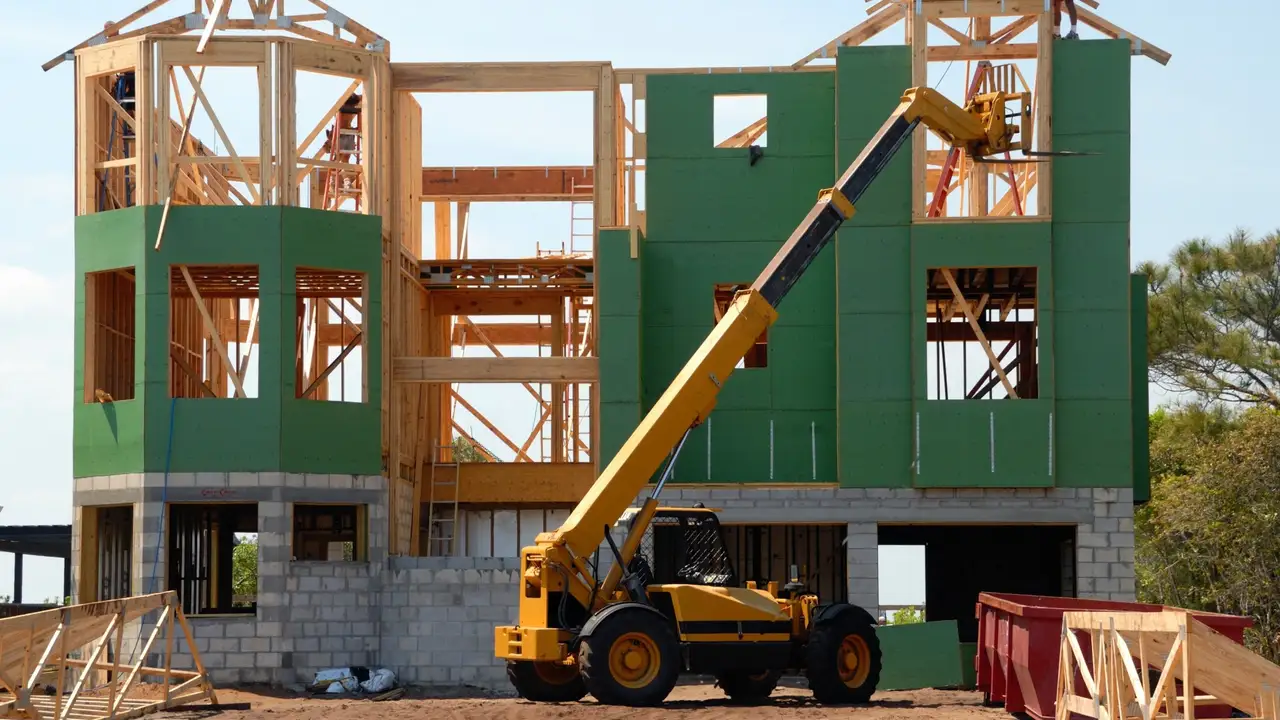
Hey there! Let's talk about something super important if you or someone you know has ever been on a construction site: slip and fall accidents. These aren't just minor tumbles; they can lead to serious injuries and a whole lot of headaches. Construction sites are inherently risky places, bustling with activity, heavy machinery, and often, less-than-perfect ground conditions. So, understanding the specific hazards and the legal maze that follows a slip and fall on one of these sites is absolutely crucial. We're going to dive deep into what makes these sites so dangerous, what kind of injuries you might face, and most importantly, what your legal options are, whether you're in the USA or Southeast Asia.
Understanding Common Construction Site Hazards and Risks
Construction sites are like obstacle courses, but with real-world consequences. There are so many things that can go wrong, leading to a slip, trip, or fall. Let's break down some of the most common culprits:
Uneven Surfaces and Debris Related Slip and Fall Risks
Think about it: a construction site is rarely a perfectly smooth, clean surface. You've got trenches, mounds of dirt, loose gravel, rebar sticking out, and all sorts of construction debris like wood scraps, discarded materials, and tools. These uneven surfaces and scattered debris are prime candidates for causing someone to lose their footing. Imagine walking across a site and suddenly stepping into an unmarked hole or tripping over a piece of lumber. It happens more often than you'd think, and the results can be devastating.
Wet and Slippery Conditions on Construction Sites
Water, mud, oil, paint, or other liquids are almost always present on a construction site. Rain can turn a dusty path into a muddy slide. Spills from machinery or materials can create slick spots. These wet and slippery conditions drastically reduce traction, making it incredibly easy to slip and fall, especially if workers aren't wearing appropriate footwear or if these areas aren't properly marked or cleaned up.
Poor Lighting and Visibility Issues for Workers
Working early mornings, late evenings, or in enclosed spaces on a construction site often means dealing with inadequate lighting. When you can't clearly see where you're going or what's on the ground, your risk of tripping over something or misjudging a step skyrockets. Proper lighting isn't just a convenience; it's a fundamental safety requirement that, when neglected, can lead to serious accidents.
Lack of Guardrails and Fall Protection Measures
This is a big one, especially when working at heights. Openings in floors, elevated platforms, scaffolding, and stairwells all require proper guardrails and fall protection. If these aren't in place, or if they're improperly installed, a simple misstep can turn into a catastrophic fall from a significant height. This isn't just a slip and fall; it's a fall from height, which often results in much more severe injuries.
Improperly Stored Materials and Equipment Obstacles
Construction sites are often tight spaces, and when materials, tools, and equipment aren't stored correctly, they become tripping hazards. Piles of pipes, stacks of drywall, electrical cords snaking across walkways – these are all accidents waiting to happen. Good housekeeping is essential on a construction site to prevent these kinds of slip and fall incidents.
Common Injuries from Construction Site Slip and Falls
The types of injuries you can sustain from a slip and fall on a construction site can range from minor to life-altering. Because of the harsh environment, these injuries often tend to be more severe than a typical fall elsewhere.
Head Injuries and Traumatic Brain Injuries TBI
Falling and hitting your head on a hard surface, a piece of equipment, or even just the ground can lead to concussions, skull fractures, and even traumatic brain injuries (TBI). TBIs can have long-lasting effects on cognitive function, memory, and overall quality of life. Always seek immediate medical attention if you hit your head, even if you feel fine initially.
Spinal Cord Injuries and Back Pain
A fall can easily jar or damage your spine, leading to herniated discs, fractured vertebrae, or even spinal cord injuries. These can result in chronic back pain, limited mobility, and in severe cases, paralysis. The impact of a fall on a hard construction surface can be particularly damaging to the back and spine.
Fractures and Broken Bones from Falls
It's very common to break bones in a slip and fall, especially in the wrists, arms, ankles, and hips. Trying to break your fall with an outstretched hand often leads to wrist fractures. Older workers or those with pre-existing conditions might be more susceptible to hip fractures, which can require extensive surgery and rehabilitation.
Sprains Strains and Soft Tissue Damage
Even if nothing is broken, a fall can cause severe sprains and strains to ligaments, tendons, and muscles. These soft tissue injuries can be incredibly painful, limit movement, and take a long time to heal, sometimes requiring physical therapy or even surgery.
Cuts Lacerations and Puncture Wounds
Given the sharp objects and debris often found on construction sites, a fall can easily result in cuts, lacerations, and puncture wounds. These injuries carry the risk of infection and may require stitches or more extensive medical treatment.
Legal Considerations for Construction Site Slip and Fall Accidents
Navigating the legal aftermath of a construction site slip and fall can be complex. It's not always as straightforward as it seems, especially when you consider different jurisdictions and the various parties involved.
Workers Compensation vs Personal Injury Claims
If you're an employee and you get injured on a construction site, your first port of call is usually workers' compensation. This system is designed to provide benefits for medical expenses and lost wages, regardless of who was at fault. However, workers' comp typically limits your ability to sue your employer directly for pain and suffering. But here's the kicker: if your injury was caused by a third party (someone other than your employer or a co-worker), you might be able to file a personal injury lawsuit against them. This could be a subcontractor, a property owner, or a manufacturer of defective equipment. This is where things get interesting and where a good lawyer becomes invaluable.
Employer Negligence and Third Party Liability
Even if you're covered by workers' comp, there might be grounds for a personal injury claim if your employer was grossly negligent or if a third party's actions (or inactions) led to your fall. For example, if a subcontractor left a dangerous hazard unmarked, or if a property owner failed to maintain safe premises, they could be held liable. Proving negligence involves showing that the responsible party had a duty of care, breached that duty, and that this breach directly caused your injuries.
Duty of Care for Property Owners and Contractors
Property owners and general contractors have a legal duty to maintain a safe environment on construction sites. This includes identifying and mitigating hazards, providing adequate warnings, and ensuring that all safety regulations are followed. If they fail in this duty, and you get hurt, they could be held responsible. This duty of care is a cornerstone of premises liability law.
Statute of Limitations for Filing a Claim
Every jurisdiction, whether in the USA or Southeast Asia, has a strict time limit for filing personal injury lawsuits, known as the statute of limitations. If you miss this deadline, you'll likely lose your right to pursue compensation, no matter how strong your case is. These deadlines can vary significantly, so it's crucial to consult with a lawyer as soon as possible after an accident to understand the specific timeframes that apply to your situation.
Evidence Collection and Documentation for Your Case
To build a strong case, you need solid evidence. This includes:
- Photos and Videos: Document the scene of the accident, the hazard that caused your fall, and your injuries.
- Witness Statements: Get contact information from anyone who saw the accident.
- Accident Reports: Ensure an official report is filed with your employer or the site manager.
- Medical Records: Keep detailed records of all your medical treatments, diagnoses, and expenses.
- Lost Wage Documentation: Gather proof of any income you've lost due to your injuries.
The more documentation you have, the better your chances of a successful claim.
Comparing Construction Site Safety Regulations USA vs Southeast Asia
Safety regulations and legal frameworks for construction sites can differ quite a bit between the USA and Southeast Asian countries. Understanding these differences is key if you're working or involved in construction in either region.
OSHA Standards and US Workplace Safety Laws
In the USA, the Occupational Safety and Health Administration (OSHA) sets and enforces rigorous safety standards for construction sites. These standards cover everything from fall protection and scaffolding to hazard communication and personal protective equipment (PPE). OSHA conducts inspections, investigates accidents, and can issue citations and penalties for non-compliance. Workers also have specific rights under OSHA, including the right to a safe workplace and the right to report hazards without retaliation. Many states also have their own specific workplace safety laws that complement or even exceed federal OSHA standards.
Southeast Asian Construction Safety Guidelines and Enforcement
Southeast Asian countries have their own national labor laws and safety regulations, but the enforcement and specific standards can vary widely. Countries like Singapore and Malaysia generally have more developed and strictly enforced safety regulations, often drawing inspiration from international best practices. However, in some other countries in the region, enforcement might be less stringent, and safety standards might not be as comprehensive. This can sometimes lead to a higher incidence of accidents. Many countries are working towards improving their safety records, often with the help of international organizations and local initiatives. It's important to be aware of the specific regulations in the country you're working in.
Cultural Factors and Safety Practices in Construction
Cultural factors can also play a role in safety practices. In some regions, there might be a greater emphasis on speed and cost-saving over safety, or a reluctance to report safety concerns due to fear of reprisal. Promoting a strong safety culture, where workers feel empowered to identify and address hazards, is crucial for reducing accidents in any region.
Preventing Slip and Fall Accidents on Construction Sites
Prevention is always better than cure, especially when it comes to construction site safety. Here are some key strategies to minimize slip and fall risks:
Implementing Robust Safety Protocols and Training
Employers and contractors need to have comprehensive safety protocols in place, covering all potential hazards. This includes regular safety meetings, clear communication of safety rules, and ongoing training for all workers. Training should cover hazard identification, proper use of PPE, and emergency procedures. Everyone on site, from management to entry-level workers, needs to be on the same page when it comes to safety.
Regular Site Inspections and Hazard Identification
Frequent and thorough site inspections are essential to identify and address potential slip and fall hazards before they cause an accident. This means looking for uneven surfaces, debris, wet spots, inadequate lighting, and missing fall protection. Any identified hazards should be immediately rectified or clearly marked and communicated to all personnel.
Proper Housekeeping and Debris Management
A clean and organized construction site is a safer site. Implementing strict housekeeping rules, including regular cleanup of debris, proper storage of materials and tools, and immediate cleanup of spills, can significantly reduce tripping hazards. Designating specific areas for waste and ensuring they are emptied regularly is also important.
Providing Appropriate Personal Protective Equipment PPE
Workers should be provided with and required to use appropriate PPE, especially slip-resistant footwear. Hard hats, safety glasses, and high-visibility clothing are also crucial. For tasks involving heights, fall arrest systems like harnesses and lifelines are non-negotiable. Employers have a responsibility to ensure PPE is available, in good condition, and properly used.
Utilizing Safety Signage and Warning Systems
Clear and visible safety signage is vital for warning workers and visitors about potential hazards. This includes signs for wet floors, uneven surfaces, fall hazards, and areas where PPE is required. Barricades and warning tapes should be used to cordon off dangerous areas, ensuring that only authorized personnel with proper safety measures can access them.
Recommended Safety Products for Construction Sites
To further enhance safety and prevent slip and fall accidents, several products are highly recommended for construction sites. These products can significantly reduce risks when used correctly.
Best Slip Resistant Footwear for Construction Workers
Good footwear is your first line of defense against slips. Here are a few top picks:
- Timberland PRO Pit Boss 6 Inch Steel Toe Boot: These are a classic for a reason. They offer excellent slip resistance, steel toe protection, and comfort for long hours. They're durable and designed for tough environments.
- Keen Utility Braddock Mid Waterproof Work Boot: Known for their comfort and wide toe box, Keen boots also provide great traction on various surfaces, plus waterproofing for wet conditions.
- Red Wing Heritage Work Boots: While a bit pricier, Red Wing boots are renowned for their quality, durability, and slip-resistant outsoles. They're an investment that lasts.
Usage Scenario: Essential for all workers on site, especially those working in areas prone to wet, muddy, or oily conditions. Different models offer varying levels of insulation and waterproofing, so choose based on climate and specific job requirements.
Comparison: Timberland PRO offers a great balance of protection and value. Keen Utility excels in comfort and waterproofing. Red Wing is top-tier for durability and long-term wear, though at a higher cost.
Estimated Price Range: $120 - $300+
Effective Anti Fatigue Mats for Standing Work Areas
For areas where workers stand for extended periods, anti-fatigue mats can reduce strain and also provide better traction.
- Wearwell ErgoDeck General Purpose Matting: These modular mats can be configured to fit any space, offering excellent anti-fatigue properties and good slip resistance.
- Notrax 540 Skydex Anti-Fatigue Mat: Known for its superior comfort and durability, this mat also has a textured surface for enhanced grip.
Usage Scenario: Ideal for workstations, assembly lines, or areas where workers perform stationary tasks for long durations, reducing fatigue and preventing slips on smooth concrete floors.
Comparison: Wearwell offers modularity and good all-around performance. Notrax Skydex is superior for comfort and heavy-duty use.
Estimated Price Range: $50 - $150 per mat section.
High Visibility Safety Tape and Floor Markings
Clearly marking hazards is a simple yet effective way to prevent accidents.
- 3M Safety-Walk Slip-Resistant Tapes and Treads: These come in various grits and colors, providing excellent traction on stairs, ramps, and smooth floors.
- Brady ToughStripe Floor Marking Tape: Extremely durable and visible, perfect for marking walkways, hazardous areas, and equipment zones.
Usage Scenario: Use on stair edges, ramps, smooth concrete, or any area where extra traction is needed. Floor marking tape is crucial for delineating safe pathways and hazardous zones.
Comparison: 3M Safety-Walk is best for adding direct traction. Brady ToughStripe is excellent for durable, long-lasting visual warnings and pathway delineation.
Estimated Price Range: $20 - $100 per roll, depending on length and width.
Portable Lighting Solutions for Low Light Conditions
Ensuring adequate lighting is non-negotiable for safety.
- Milwaukee M18 LED Stand Light: Battery-powered, highly portable, and provides bright, even illumination for large areas.
- DeWalt DCL079B 20V MAX LED Tripod Light: Offers adjustable height and multiple light settings, great for illuminating specific work zones.
Usage Scenario: Essential for early morning, late evening, or indoor construction work where natural light is insufficient. Also useful for illuminating specific hazardous areas.
Comparison: Milwaukee is known for its robust build and wide area illumination. DeWalt offers more versatility with its tripod design and adjustable light output.
Estimated Price Range: $150 - $400 (tool only, batteries extra).
Temporary Guardrail Systems and Barrier Fencing
For fall protection and hazard containment.
- Safety Rail Company Guardrail Systems: Modular and easy to install, these provide robust fall protection around roof edges, open pits, and elevated platforms.
- Orange Plastic Mesh Safety Fencing: A cost-effective solution for temporarily cordoning off hazardous areas, excavations, or restricted zones.
Usage Scenario: Guardrail systems are critical for preventing falls from heights. Safety fencing is used for temporary hazard demarcation and crowd control on site.
Comparison: Safety Rail Company offers engineered, compliant fall protection. Plastic mesh fencing is for temporary visual barriers and light-duty containment.
Estimated Price Range: Guardrail systems can range from $500 - $2000+ per section. Fencing is much cheaper, around $50 - $150 per roll.
What to Do After a Construction Site Slip and Fall
If you or someone you know experiences a slip and fall on a construction site, knowing what steps to take immediately afterward can significantly impact your health and any potential legal claim.
Seek Immediate Medical Attention for Injuries
Your health is the absolute priority. Even if you feel fine, some injuries, especially head or internal injuries, might not be immediately apparent. Get checked out by a doctor or go to the emergency room right away. This not only ensures you get the care you need but also creates an official medical record of your injuries, which is crucial for any claim.
Report the Accident to Your Supervisor or Site Manager
As soon as possible, report the accident to your supervisor, site manager, or the appropriate personnel. Make sure an official accident report is filed. Get a copy of this report if you can. This creates a formal record of the incident and the date it occurred.
Document the Scene and Gather Evidence
If you're able, take photos and videos of the exact location where you fell, the hazard that caused it, and any surrounding conditions (e.g., poor lighting, debris, wet surfaces). Note the date, time, and weather conditions. If there were any witnesses, get their names and contact information.
Consult with a Personal Injury Attorney
This is a critical step. A lawyer specializing in personal injury and construction accidents can help you understand your rights, navigate the complexities of workers' compensation and potential third-party claims, and ensure you don't miss any crucial deadlines (like the statute of limitations). They can also help you gather additional evidence and negotiate with insurance companies on your behalf.
Keep Detailed Records of All Expenses and Losses
Keep meticulous records of all medical bills, prescription costs, physical therapy expenses, and any other out-of-pocket costs related to your injury. Also, document any lost wages, including missed workdays and reduced earning capacity. These records will be vital for calculating the full extent of your damages.
Construction sites are dangerous places, and slip and fall accidents are a serious concern. By understanding the hazards, knowing your rights, and taking the right steps after an incident, you can protect your health and your legal interests. Stay safe out there!
:max_bytes(150000):strip_icc()/277019-baked-pork-chops-with-cream-of-mushroom-soup-DDMFS-beauty-4x3-BG-7505-5762b731cf30447d9cbbbbbf387beafa.jpg)