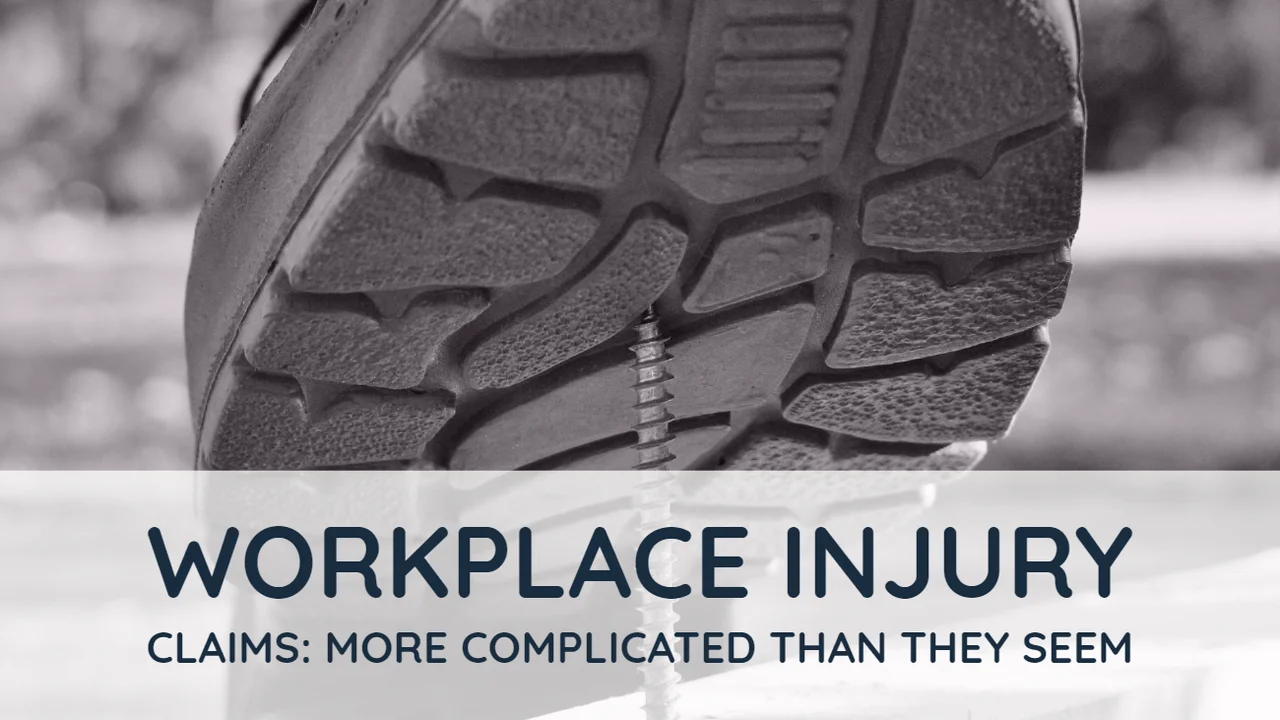
Workers Compensation Claims How They Work
A comprehensive guide to understanding and navigating workers' compensation personal injury claims.

A comprehensive guide to understanding and navigating workers' compensation personal injury claims.
Workers Compensation Claims How They Work
Hey there! So, you've had a workplace accident, and now you're wondering what's next? It can feel pretty overwhelming, right? Dealing with injuries, time off work, and then trying to figure out how to get compensated for it all. That's where workers' compensation comes in. It's basically a type of insurance that provides medical benefits and wage replacement for employees who get injured or become ill on the job. Sounds simple, but there's a lot to unpack. Let's dive deep into how workers' compensation claims actually work, from the moment an accident happens to getting your benefits, and even what to do if things get a bit tricky.
Understanding Workers Compensation What It Is and Why It Matters
First things first, what exactly is workers' compensation? Think of it as a safety net. Most employers are required by law to carry workers' comp insurance. This system is designed to provide benefits to employees who suffer work-related injuries or illnesses, regardless of who was at fault for the incident. In exchange for these benefits, employees usually give up their right to sue their employer for negligence. It's a trade-off, often called the 'grand bargain.' This system is super important because it ensures that injured workers can get the medical care they need and some financial support while they're recovering, without having to go through a lengthy and expensive lawsuit against their employer.
Key Benefits of Workers Compensation for Injured Workers
So, what kind of benefits are we talking about? Generally, workers' comp covers a few main areas:
- Medical Expenses: This is a big one. It covers all necessary medical treatment for your work-related injury or illness. We're talking doctor visits, hospital stays, surgeries, prescription medications, physical therapy, and even mileage reimbursement for travel to and from appointments.
- Temporary Disability Benefits: If your injury prevents you from working for a period, these benefits replace a portion of your lost wages. This isn't your full salary, usually around two-thirds of your average weekly wage, but it helps keep the bills paid.
- Permanent Disability Benefits: If your injury results in a permanent impairment, even after you've reached maximum medical improvement, you might be eligible for these benefits. The amount depends on the severity of your impairment.
- Vocational Rehabilitation: Sometimes, an injury might prevent you from returning to your old job. Workers' comp can cover services like job placement assistance, vocational counseling, and even retraining for a new career.
- Death Benefits: In the tragic event that a work-related injury or illness leads to an employee's death, workers' comp provides financial support to the surviving dependents.
The Immediate Aftermath What to Do After a Workplace Injury
Okay, an accident just happened. What's the absolute first thing you should do? Your actions right after an injury can significantly impact your claim. Don't panic, but do act quickly and deliberately.
Reporting Your Injury Promptly and Accurately
This is crucial. You need to report your injury to your employer as soon as possible. Most states have strict deadlines for reporting, often within a few days or weeks. Even if you think it's a minor injury, report it! Sometimes, what seems minor at first can develop into something more serious later on. Make sure your report is in writing, if possible, and keep a copy for your records. Include details like the date, time, location, and how the injury occurred. Be specific about what hurts and any symptoms you're experiencing.
Seeking Medical Attention The Importance of Timely Care
After reporting, get medical attention immediately. Even if your employer directs you to a specific doctor, you usually have the right to choose your own doctor, especially if you're not happy with the initial assessment. Timely medical care is vital for two reasons: first, for your health and recovery, and second, to create a clear medical record of your injury. This record will be essential evidence for your workers' comp claim. Make sure to tell every doctor you see that your injury is work-related.
Navigating the Claims Process Step by Step Guide
Once you've reported your injury and sought medical care, the formal claims process begins. This can feel like a maze, but breaking it down into steps makes it more manageable.
Filing Your Workers Compensation Claim Essential Forms and Deadlines
Your employer should provide you with the necessary forms to file your claim. If they don't, or if you're unsure, contact your state's workers' compensation board or commission. You'll typically need to fill out an 'Employee's Claim for Compensation' form. Pay close attention to all deadlines. Missing a deadline can jeopardize your entire claim. Be thorough and accurate when filling out these forms. Any inconsistencies could be used against you later.
The Role of the Insurance Company Understanding Their Process
Once your claim is filed, it goes to your employer's workers' compensation insurance carrier. They will investigate your claim. This might involve reviewing your medical records, talking to your employer and witnesses, and sometimes even hiring their own doctors to examine you. They'll decide whether to accept or deny your claim. It's important to remember that the insurance company's primary goal is to minimize their payout, so they might look for reasons to deny or limit your benefits.
What Happens If Your Claim Is Denied Strategies for Appeal
It's not uncommon for initial claims to be denied. Don't despair! A denial isn't the end of the road. You have the right to appeal the decision. The appeal process usually involves several stages, starting with a request for a hearing before an administrative law judge. This is where having a good personal injury lawyer who specializes in workers' comp can be incredibly beneficial. They can help you gather additional evidence, prepare for hearings, and argue your case effectively.
Common Challenges and How to Overcome Them in Workers Compensation
The workers' comp system isn't always smooth sailing. You might encounter various hurdles. Knowing what these are and how to address them can save you a lot of stress and potentially secure your benefits.
Disputes Over Medical Treatment and Second Opinions
Sometimes, the insurance company might dispute the necessity of certain medical treatments or try to push you towards their preferred doctors. You have rights here. You can often seek a second opinion from a doctor of your choice. If there's a disagreement, your state's workers' comp board usually has a process for resolving medical disputes. Document everything, including all communications with the insurance company and your doctors.
Returning to Work Light Duty and Maximum Medical Improvement
As you recover, your doctor might clear you for 'light duty' work, meaning you can return to work with certain restrictions. Your employer is generally required to accommodate these restrictions if possible. If they can't, you might continue to receive temporary disability benefits. 'Maximum Medical Improvement' (MMI) is a key term. It means your condition has stabilized, and further medical treatment isn't expected to significantly improve your health. At this point, your temporary disability benefits usually end, and your doctor will assess if you have any permanent impairment.
Settlement Options Lump Sum vs Structured Settlements
Many workers' comp cases end in a settlement. This is an agreement where you receive a lump sum payment or a series of payments in exchange for giving up your right to future benefits. A 'lump sum settlement' is a single, one-time payment. A 'structured settlement' involves periodic payments over time. The best option for you depends on your individual circumstances, financial needs, and the severity of your injury. It's highly recommended to discuss settlement offers with your lawyer to ensure you're getting a fair deal.
The Role of a Workers Compensation Lawyer Why You Might Need One
While you can navigate the workers' comp system on your own, having a lawyer by your side can make a huge difference, especially if your case is complex or if you face significant challenges.
When to Hire a Workers Compensation Attorney Maximizing Your Claim
You might not need a lawyer for a very straightforward, minor injury claim. However, consider hiring one if:
- Your claim is denied.
- Your employer disputes the extent of your injury or its work-relatedness.
- You have a pre-existing condition that the insurance company is trying to blame for your current injury.
- Your employer retaliates against you for filing a claim.
- You're offered a settlement that seems too low.
- You have a permanent disability.
- You're having trouble getting necessary medical treatment approved.
A good lawyer understands the intricacies of workers' comp law, can gather evidence, negotiate with the insurance company, and represent you in hearings. They work on a contingency fee basis, meaning they only get paid if you win your case, so there's usually no upfront cost.
Workers Compensation in the USA vs Southeast Asia Key Differences
It's important to remember that workers' compensation laws vary significantly from place to place. While the general principles are similar, the specifics can be quite different between the USA and various countries in Southeast Asia.
USA Workers Compensation State Specific Laws and Regulations
In the USA, workers' compensation is primarily governed by state law, not federal law. This means the rules, benefits, and procedures can differ dramatically from one state to another. For example, some states have 'exclusive remedy' provisions, meaning workers' comp is your only recourse against your employer, while others might allow exceptions. Some states have specific panels of doctors you must choose from, while others offer more freedom. It's crucial to understand the specific laws of the state where your injury occurred.
Southeast Asia Workers Compensation Diverse Legal Frameworks
Southeast Asia is a diverse region, and workers' compensation systems vary widely from country to country. For instance, countries like Singapore and Malaysia have well-established workers' compensation schemes, often with government-backed funds or mandatory insurance. Thailand also has a robust system. However, in some other countries, the systems might be less developed, or enforcement might be weaker. Some countries might rely more on general labor laws or civil litigation for workplace injuries. If you're working in Southeast Asia, it's absolutely essential to research the specific labor and compensation laws of that particular country. Consulting with a local legal expert is highly recommended.
Preventing Workplace Accidents Best Practices for Employers and Employees
While workers' comp is there to help after an accident, the best scenario is to prevent accidents from happening in the first place. Both employers and employees have a role to play here.
Employer Responsibilities Creating a Safe Work Environment
Employers have a legal and ethical responsibility to provide a safe workplace. This includes:
- Implementing safety protocols and procedures.
- Providing proper training for all tasks, especially those involving machinery or hazardous materials.
- Regularly inspecting equipment and maintaining a safe work environment.
- Providing necessary personal protective equipment (PPE).
- Addressing safety concerns raised by employees promptly.
Employee Responsibilities Promoting Personal Safety and Awareness
Employees also have a responsibility to follow safety rules and look out for their own well-being. This means:
- Attending and understanding safety training.
- Using PPE correctly.
- Reporting hazards or unsafe conditions to supervisors.
- Operating machinery and equipment as instructed.
- Not taking shortcuts that could compromise safety.
Specific Products and Tools for Workplace Safety and Injury Recovery
Beyond general practices, there are many specific products and tools that can significantly enhance workplace safety and aid in injury recovery. Let's look at a few categories and some examples.
Ergonomic Equipment for Office and Industrial Settings
Ergonomics is all about designing workplaces and equipment to fit the worker, reducing strain and preventing injuries like carpal tunnel syndrome or back pain. This is crucial in both office and industrial environments.
Office Ergonomics Products to Consider
- Ergonomic Chairs: A good chair can make a world of difference. Look for features like adjustable lumbar support, seat height, armrests, and tilt.
- Recommendation: Herman Miller Aeron Chair (Price: $1,500-$2,000+). Known for its iconic design and exceptional adjustability, it's a top-tier choice for long hours at a desk.
- Recommendation: Steelcase Gesture Chair (Price: $1,000-$1,500+). Designed to support a wide range of postures and technologies, great for those who frequently change positions.
- Recommendation: Sihoo M57 Ergonomic Office Chair (Price: $200-$350). A more budget-friendly option that still offers good lumbar support, headrest, and adjustability, popular in Southeast Asian markets for its value.
- Adjustable Standing Desks: These allow you to switch between sitting and standing throughout the day, reducing sedentary time and improving circulation.
- Recommendation: Fully Jarvis Standing Desk (Price: $500-$1,000+). Highly customizable with various desktop materials and sizes, known for its stable frame.
- Recommendation: FlexiSpot EC1 Electric Standing Desk (Price: $250-$400). A popular entry-level electric standing desk, offering good value and ease of use.
- Recommendation: Omnidesk Pro 2020 (Price: SGD 700-1,500+ / ~$500-$1,100+). A Singaporean brand that's very popular in Southeast Asia, offering robust build quality and smart features.
- Ergonomic Keyboards and Mice: These can prevent wrist and hand strain.
- Recommendation: Microsoft Sculpt Ergonomic Desktop (Price: $80-$120). A popular combo with a split keyboard and a dome-shaped mouse.
- Recommendation: Logitech MX Master 3S Mouse (Price: $90-$120). While not strictly 'ergonomic' in the split sense, its contoured design and smooth tracking reduce strain for many users.
Industrial Ergonomics and Safety Gear
- Anti-Fatigue Mats: For workers who stand for long periods, these can reduce leg and back fatigue.
- Recommendation: Notrax 109S-Series Ergonomic Mat (Price: $50-$150+ depending on size). Durable and effective for industrial environments.
- Lifting Aids and Back Support Belts: While not a substitute for proper lifting techniques, these can offer support.
- Recommendation: Mueller Adjustable Back Brace (Price: $20-$40). A widely available and effective option for lumbar support.
- Personal Protective Equipment (PPE): This is non-negotiable in many industrial settings.
- Recommendation (Safety Glasses): 3M Virtua CCS Protective Eyewear (Price: $5-$15). Affordable, comfortable, and meets safety standards.
- Recommendation (Hearing Protection): Howard Leight by Honeywell Impact Sport Earmuff (Price: $50-$70). Electronic earmuffs that protect hearing while allowing communication.
- Recommendation (Gloves): Ansell HyFlex 11-801 Gloves (Price: $5-$10 per pair). Versatile and comfortable for various tasks requiring dexterity and protection.
Rehabilitation and Recovery Aids for Injured Workers
Once an injury occurs, the focus shifts to recovery. Various products can assist in rehabilitation, pain management, and regaining mobility.
Physical Therapy and Pain Management Tools
- Therapy Bands/Resistance Bands: Excellent for strengthening muscles during physical therapy.
- Recommendation: TheraBand Resistance Bands (Price: $10-$30 for a set). Widely used by physical therapists for progressive resistance training.
- Foam Rollers: Great for self-myofascial release, improving flexibility, and reducing muscle soreness.
- Recommendation: TriggerPoint GRID Foam Roller (Price: $30-$50). Durable and effective for targeting specific muscle groups.
- Hot/Cold Packs: Essential for managing pain and inflammation.
- Recommendation: TheraPearl Hot & Cold Pack (Price: $10-$20). Reusable and conforms to the body.
- TENS Units (Transcutaneous Electrical Nerve Stimulation): Can help manage chronic pain by delivering small electrical impulses.
- Recommendation: Omron Max Power Relief TENS Unit (Price: $40-$70). User-friendly and effective for home use.
Mobility and Support Devices
- Braces and Supports: For injured joints or muscles, providing stability and limiting movement.
- Recommendation (Knee Brace): Bauerfeind GenuTrain Knee Brace (Price: $80-$150). High-quality medical-grade support.
- Recommendation (Wrist Brace): Futuro Night Wrist Sleep Support (Price: $15-$25). Comfortable for overnight support for carpal tunnel or sprains.
- Crutches/Walkers: For temporary mobility assistance after leg or foot injuries.
- Recommendation: Drive Medical Deluxe Folding Walker (Price: $50-$80). A standard, reliable option.
Staying Informed and Protecting Your Rights Throughout the Process
The workers' compensation journey can be long and complex. Staying informed and actively protecting your rights are your best defenses against potential pitfalls.
Document Everything Keeping Detailed Records
This cannot be stressed enough. Keep meticulous records of everything related to your injury and claim. This includes:
- Dates and times of your injury report.
- Names and contact information of anyone you speak to (supervisors, HR, insurance adjusters, doctors).
- Copies of all forms you submit and receive.
- Medical records, doctor's notes, and prescription information.
- Records of lost wages and any out-of-pocket expenses.
- A journal of your pain levels and how your injury impacts your daily life.
These records will be invaluable if there are disputes or if you need to appeal a decision.
Understanding Your Rights and Responsibilities As an Injured Worker
You have rights under workers' compensation laws, but you also have responsibilities. Know them! Your rights typically include the right to medical treatment, wage replacement, and to appeal adverse decisions. Your responsibilities include reporting your injury promptly, cooperating with medical treatment, and attending appointments. Being aware of both sides of the coin empowers you to navigate the system effectively.
Navigating a workers' compensation claim can be a challenging experience, but with the right information and support, you can ensure you receive the benefits you're entitled to. Remember, your health and well-being are paramount, so prioritize your recovery and don't hesitate to seek professional help when needed. Stay safe out there!
:max_bytes(150000):strip_icc()/277019-baked-pork-chops-with-cream-of-mushroom-soup-DDMFS-beauty-4x3-BG-7505-5762b731cf30447d9cbbbbbf387beafa.jpg)