Falling Object Workplace Injury Cases
Understanding personal injury claims arising from falling objects in the workplace.
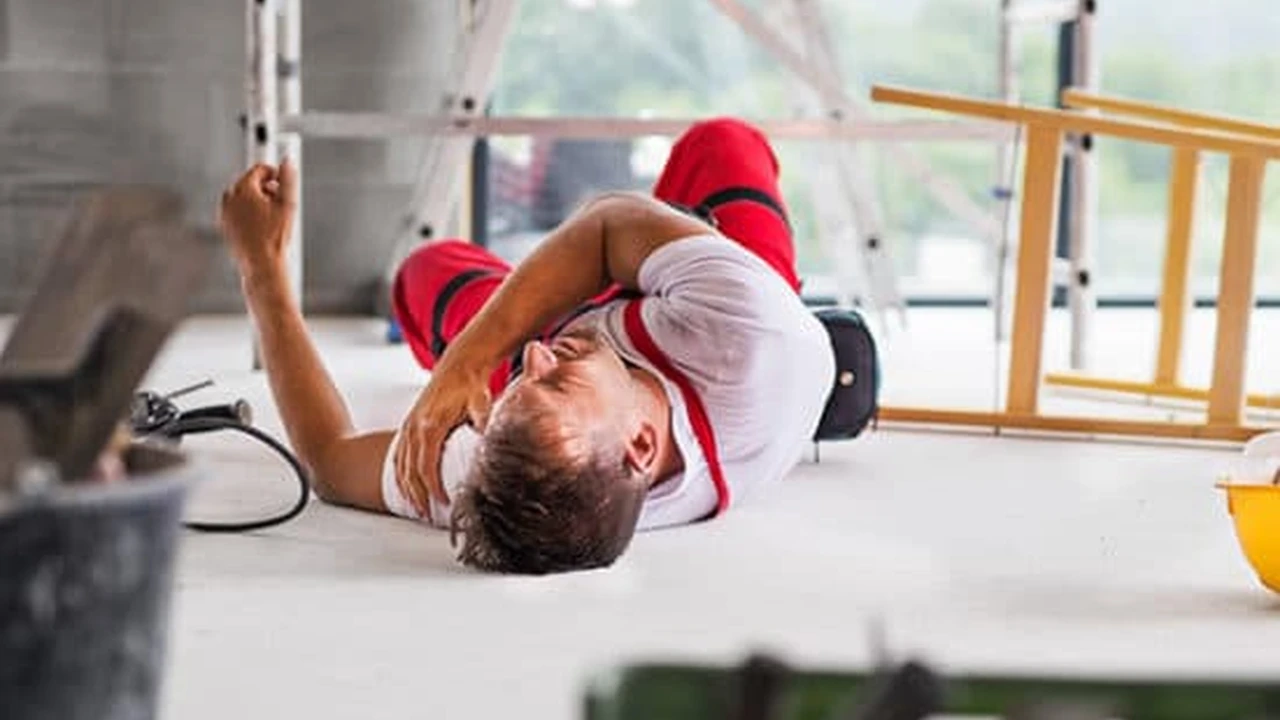
Understanding personal injury claims arising from falling objects in the workplace.
Falling Object Workplace Injury Cases
Hey there! Let's talk about something serious but often overlooked: falling object workplace injury cases. It sounds simple, right? Something falls, it hits you, you get hurt. But in the world of personal injury law, especially when it comes to your job, it's a lot more complex than that. We're going to dive deep into what constitutes a falling object injury, your rights, how to build a strong case, and even look at some specific scenarios and equipment that often lead to these kinds of accidents. Whether you're in the USA or Southeast Asia, understanding these nuances is crucial for protecting yourself and securing the compensation you deserve.
What Constitutes a Falling Object Injury Workplace Hazards
So, what exactly are we talking about when we say 'falling object injury'? It's pretty broad, actually. It could be anything from a small tool slipping off a shelf to a massive piece of machinery toppling over. The key is that an object, due to gravity or some other force, falls from a height or position and strikes a worker, causing injury. This isn't just about construction sites, though they are certainly high-risk. Think about warehouses, retail stores, offices, manufacturing plants – anywhere objects are stored, moved, or used above ground level. Common scenarios include:
- Items falling from shelves or racks due to improper stacking or overloading.
- Tools or materials dropped by workers on higher levels.
- Equipment or machinery collapsing or tipping over.
- Debris falling from overhead structures, like ceilings or scaffolding.
- Objects being ejected from machinery or equipment.
The severity of these injuries can range from minor bumps and bruises to severe head trauma, spinal cord injuries, broken bones, and even fatalities. It's no joke, and the impact on your life can be profound, affecting your ability to work, your financial stability, and your overall well-being.
Your Rights After a Falling Object Accident Workplace Compensation
If you've been injured by a falling object at work, you generally have a few avenues for seeking compensation. The primary one, in most places, is workers' compensation. This is a no-fault insurance system, meaning you don't have to prove your employer was negligent to receive benefits. Workers' comp typically covers medical expenses, a portion of lost wages, and sometimes vocational rehabilitation. However, workers' comp benefits can be limited, and they don't cover pain and suffering.
In some cases, you might also have a personal injury claim, often called a 'third-party claim.' This happens when someone other than your employer or a co-worker is responsible for the accident. For example, if a defective piece of equipment manufactured by a third party caused the object to fall, you might have a claim against the manufacturer. Or, if a subcontractor on a construction site was negligent and caused an object to fall, you could sue them. These third-party claims can allow you to recover damages for pain and suffering, which workers' comp typically doesn't.
It's super important to understand the differences between these two types of claims, as they have different rules, deadlines, and potential payouts. This is where a good personal injury lawyer specializing in workplace accidents becomes invaluable.
Building a Strong Falling Object Injury Case Evidence Collection
To maximize your chances of a successful claim, whether it's workers' comp or a third-party personal injury lawsuit, you need to build a strong case. This starts immediately after the accident. Here's what you should do:
- Seek Medical Attention: Your health is paramount. Even if you feel fine, get checked out by a doctor. Some injuries, especially head or internal injuries, might not be immediately apparent. Document everything.
- Report the Accident: Inform your supervisor or employer immediately, in writing if possible. Most jurisdictions have strict deadlines for reporting workplace injuries.
- Document the Scene: If you can, take photos or videos of the accident scene, the fallen object, any damage, and your injuries. Note the date, time, and weather conditions.
- Identify Witnesses: Get contact information from anyone who saw the accident or the conditions leading up to it.
- Preserve Evidence: Don't move or discard the fallen object if it's safe to leave it. If it's a piece of equipment, ensure it's not repaired or altered before it can be inspected.
- Keep Records: Maintain a detailed log of all medical appointments, treatments, medications, and expenses. Also, keep track of your lost workdays and any communication with your employer or insurance companies.
Remember, the more evidence you have, the stronger your case will be. Insurance companies and employers will often try to minimize their liability, so having clear, documented proof is your best defense.
Common Equipment and Scenarios Leading to Falling Object Injuries Workplace Safety
Let's get specific. Certain types of equipment and work environments are notorious for falling object hazards. Understanding these can help you identify potential risks and, if an accident occurs, pinpoint potential negligence.
Scaffolding and Elevated Work Platforms Safety Standards
Construction sites are ground zero for falling object risks, and scaffolding is a prime culprit. Tools, materials, and even debris can easily fall from elevated platforms. OSHA (Occupational Safety and Health Administration) in the USA, and similar bodies in Southeast Asia, have strict regulations for scaffolding safety, including requirements for toe boards, guardrails, and netting. If these aren't in place or are improperly maintained, it's a clear sign of negligence. For example, a worker might drop a hammer from a scaffold, or a stack of bricks could be dislodged. The impact of such objects, especially from significant heights, can be devastating.
Forklifts and Material Handling Equipment Warehouse Safety
Warehouses and manufacturing facilities rely heavily on forklifts, pallet jacks, and other material handling equipment. While incredibly efficient, they also pose significant falling object risks. Improperly loaded pallets, sudden stops, or collisions can send heavy items tumbling. Imagine a forklift operator stacking boxes too high, or a pallet being dislodged from a rack. The sheer weight of these items means serious injury is almost guaranteed. Training for operators, proper load securing, and clear aisles are critical preventative measures.
Cranes and Hoists Heavy Lifting Operations
Any operation involving cranes or hoists carries inherent risks. Whether it's lifting steel beams on a construction site or moving heavy machinery in a factory, the potential for a dropped load is always present. Mechanical failures, operator error, or improper rigging can lead to catastrophic accidents. Regular maintenance, certified operators, and strict safety protocols are essential. If a crane cable snaps or a load is improperly secured, the consequences can be fatal.
Shelving and Storage Racks Retail and Office Environments
It's not just heavy industry. Retail stores, offices, and even libraries can have falling object hazards. Overloaded shelves, unstable shelving units, or items precariously placed can all lead to injuries. Think about a stack of heavy boxes in a stockroom or a poorly installed bookshelf in an office. While perhaps less dramatic than a falling steel beam, a heavy object falling on someone's head can still cause severe concussions or other injuries. Proper installation, weight limits, and regular inspections are key.
Power Tools and Hand Tools Tool Safety
Even everyday tools can become dangerous falling objects. A wrench dropped from a ladder, a drill slipping from a worker's hand on an elevated platform, or a saw blade breaking off during use – these can all cause significant harm. Proper tool maintenance, secure storage, and using lanyards for tools when working at heights are simple but effective safety measures.
Comparing Falling Object Safety Regulations USA vs Southeast Asia Workplace Law
While the principles of workplace safety are universal, the specific regulations and enforcement can vary significantly between the USA and Southeast Asian countries. This is a crucial point for anyone working in or managing operations across these regions.
United States OSHA Standards and Enforcement
In the USA, the Occupational Safety and Health Administration (OSHA) sets and enforces standards to ensure safe and healthful working conditions. OSHA has very specific regulations regarding fall protection, material handling, scaffolding, and general housekeeping that directly address falling object hazards. For example, OSHA requires toe boards, screens, or guardrail systems on elevated platforms to prevent objects from falling. Employers are also mandated to provide personal protective equipment (PPE) like hard hats. OSHA conducts inspections, investigates accidents, and can issue citations and penalties for non-compliance. This robust regulatory framework provides a strong basis for personal injury claims if an employer fails to adhere to these standards.
Southeast Asia Diverse Regulatory Landscape
Southeast Asia presents a more diverse regulatory landscape. Countries like Singapore and Malaysia have relatively well-developed occupational safety and health (OSH) laws, often modeled after Western standards. Singapore's Workplace Safety and Health Act, for instance, places a strong duty on employers to ensure the safety of their workers, including preventing falling objects. They have specific regulations for scaffolding, lifting operations, and general workplace safety. Malaysia's Occupational Safety and Health Act also emphasizes employer responsibility and has detailed guidelines for various industries.
However, in other Southeast Asian nations, OSH regulations might be less comprehensive, or enforcement might be weaker. Countries like Vietnam, Indonesia, and the Philippines are continually developing their OSH frameworks, but implementation and compliance can be inconsistent, especially in smaller businesses or informal sectors. This doesn't mean workers are without rights, but it might mean navigating a more complex legal system to prove employer negligence or secure adequate compensation. In these regions, the burden of proof might be higher, and the availability of legal resources could be more limited. Understanding the specific OSH laws of the country where the accident occurred is paramount.
Recommended Safety Equipment and Practices Preventing Falling Object Injuries
Prevention is always better than cure. Investing in the right safety equipment and implementing robust practices can drastically reduce the risk of falling object injuries. Here are some key recommendations, along with specific product examples and their typical price ranges (prices are approximate and can vary widely based on brand, features, and region):
Personal Protective Equipment PPE for Overhead Hazards
- Hard Hats: Essential for any environment with overhead hazards. They protect against impacts from falling objects.
- Product Example: MSA V-Gard Full Brim Hard Hat. Known for its durability and comfort.
- Use Case: Construction sites, warehouses, manufacturing plants, any area with potential for falling debris.
- Comparison: Full brim offers more protection from sun and rain than cap style. Vented options available for hot climates.
- Price: $20 - $50 USD.
- Safety Glasses/Goggles: Protect eyes from smaller falling debris or ejected particles.
- Product Example: 3M Virtua CCS Protective Eyewear. Integrates with earplugs.
- Use Case: Workshops, construction, manufacturing, any task involving potential eye hazards.
- Comparison: Anti-fog and scratch-resistant coatings are crucial. Some models offer UV protection.
- Price: $5 - $25 USD.
- Safety Footwear (Steel-Toe Boots): Protect feet from falling objects and crushing injuries.
- Product Example: Timberland PRO Pit Boss Steel-Toe Work Boots. Durable and comfortable for long shifts.
- Use Case: Construction, heavy industry, warehousing, any environment with heavy objects.
- Comparison: Look for electrical hazard (EH) protection and slip-resistant soles.
- Price: $80 - $200 USD.
Tool Tethering and Lanyards Preventing Dropped Tools
- Tool Lanyards: These prevent tools from falling when working at heights. They attach the tool to the worker or a secure anchor point.
- Product Example: Ergodyne Squids Tool Lanyards. Various weight capacities and attachment styles.
- Use Case: Working on scaffolding, ladders, elevated platforms, or any height where a dropped tool could cause injury.
- Comparison: Consider retractable vs. fixed length, and weight capacity. Some have carabiners, others have loops.
- Price: $10 - $50 USD per lanyard.
- Tool Bags/Buckets with Closures: Securely transport tools and small items to prevent them from falling out.
- Product Example: Klein Tools Canvas Bucket with Swivel Hook. Durable and designed for overhead work.
- Use Case: Carrying tools up ladders or to elevated work areas.
- Comparison: Look for heavy-duty canvas or ballistic nylon, and secure closures.
- Price: $30 - $80 USD.
Containment and Barrier Systems Overhead Protection
- Toe Boards and Guardrails: Physical barriers installed on elevated platforms to prevent objects from rolling or being kicked off.
- Product Example: OSHA-compliant scaffolding guardrail systems (often rented or custom-built).
- Use Case: Scaffolding, mezzanines, elevated walkways.
- Comparison: Must meet specific height and strength requirements.
- Price: Varies greatly, often part of a larger scaffolding rental/purchase.
- Debris Netting and Catch Platforms: Used below elevated work areas to catch falling objects.
- Product Example: Safety Netting Systems (e.g., from companies like Safety Netting Services).
- Use Case: Construction sites, building renovations, areas where overhead work is ongoing.
- Comparison: Mesh size, material strength, and installation method are key.
- Price: Highly variable, often quoted per project or square foot ($1 - $5+ per sq ft).
- Overhead Protection Canopies/Barriers: Temporary structures to protect workers below.
- Product Example: Heavy-duty plywood or corrugated metal canopies.
- Use Case: Entrances to buildings under construction, pedestrian walkways near work zones.
- Comparison: Must be engineered to withstand potential impact loads.
- Price: Custom built, varies significantly.
Storage and Material Handling Solutions Warehouse Optimization
- Proper Shelving and Racking Systems: Ensure shelves are securely anchored, rated for the weight they hold, and items are stored correctly.
- Product Example: Pallet Racking Systems (e.g., from Steel King, Ridg-U-Rak).
- Use Case: Warehouses, stockrooms, industrial storage.
- Comparison: Consider selective, drive-in, push-back, or flow racks based on inventory needs. Load capacity is critical.
- Price: $500 - $5000+ per bay, depending on size and type.
- Pallet Strapping and Wrapping Equipment: Secure loads on pallets to prevent items from shifting or falling during transport or storage.
- Product Example: Stretch Wrap Machines (manual or automatic) and Strapping Tools.
- Use Case: Warehouses, shipping departments, manufacturing.
- Comparison: Manual wrappers are cheaper but labor-intensive; automatic wrappers are faster for high volume.
- Price: Manual stretch wrap dispenser: $20 - $100. Automatic stretch wrapper: $5,000 - $30,000+.
- Anti-Rollout Devices for Racks: Attachments that prevent cylindrical items from rolling off shelves.
- Product Example: Rack safety straps or netting.
- Use Case: Storing pipes, rolls of material, or other round objects.
- Comparison: Simple straps are cost-effective; more elaborate netting offers greater security.
- Price: $50 - $200 per bay.
Workplace Housekeeping and Organization Maintaining a Safe Environment
- Regular Inspections: Routinely check all storage areas, equipment, and work zones for potential falling object hazards.
- Clear Aisles and Walkways: Keep pathways free of clutter and obstructions that could be tripped over or cause items to be dislodged.
- Proper Stacking Techniques: Train employees on how to safely stack materials, ensuring stability and adherence to weight limits.
- Signage and Warning Systems: Clearly mark areas with overhead hazards and restrict access when necessary.
Implementing these safety measures isn't just about compliance; it's about creating a culture of safety that protects every worker. When an employer fails to provide a safe working environment, and that failure leads to a falling object injury, they can and should be held accountable.
Navigating the Legal Process After a Workplace Injury Your Lawyer's Role
Dealing with a workplace injury, especially one caused by a falling object, can be overwhelming. You're likely in pain, worried about your job, and facing mounting medical bills. This is precisely why having an experienced personal injury lawyer on your side is so important. They can help you:
- Understand Your Rights: Explain the complexities of workers' compensation and potential third-party claims in your specific jurisdiction (USA or Southeast Asia).
- Gather Evidence: Assist in collecting crucial documents, witness statements, accident reports, and medical records.
- Negotiate with Insurance Companies: Deal with adjusters who often try to minimize payouts. Your lawyer will ensure you don't accept a lowball offer.
- File Paperwork: Ensure all necessary forms and legal documents are filed correctly and on time, adhering to strict statutes of limitations.
- Represent You in Court: If a fair settlement can't be reached, your lawyer will represent you in litigation.
- Calculate Damages: Help determine the full extent of your damages, including medical costs, lost wages, future earning capacity, pain and suffering, and more.
Don't try to go it alone. The legal system is complex, and insurance companies have vast resources. A dedicated personal injury lawyer acts as your advocate, fighting for your best interests and ensuring you receive the maximum compensation possible for your falling object workplace injury.
:max_bytes(150000):strip_icc()/277019-baked-pork-chops-with-cream-of-mushroom-soup-DDMFS-beauty-4x3-BG-7505-5762b731cf30447d9cbbbbbf387beafa.jpg)