Legal guidance for victims of slip and fall accidents occurring on staircases. Understand your rights, how to prove negligence, and what compensation you might be entitled to. This guide covers common causes, evidence collection, and the role of a personal injury lawyer in staircase slip and fall cases.
Staircase Slip and Fall Injury Claims
Legal guidance for victims of slip and fall accidents occurring on staircases. Understand your rights, how to prove negligence, and what compensation you might be entitled to. This guide covers common causes, evidence collection, and the role of a personal injury lawyer in staircase slip and fall cases.
Understanding Staircase Slip and Fall Accidents Common Causes and Liability
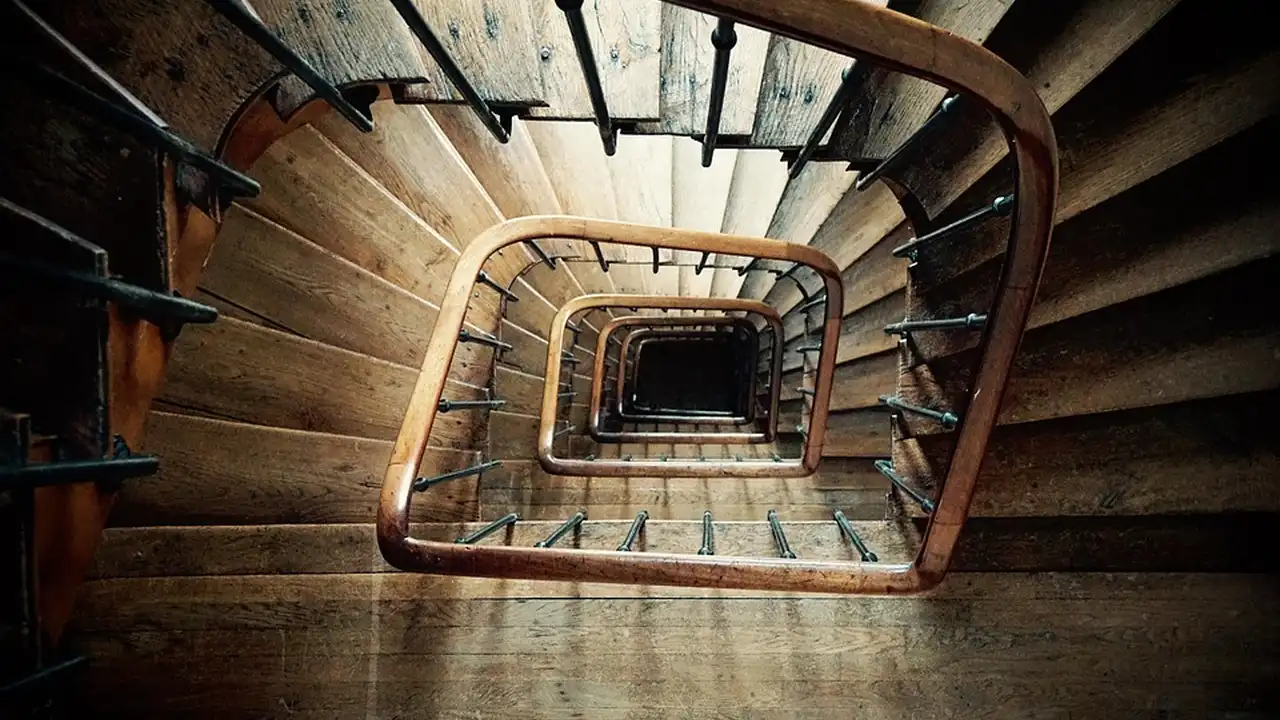
Staircases, whether in public buildings, private residences, or commercial establishments, are inherently risky. A momentary lapse in attention, a poorly maintained step, or an unexpected hazard can lead to a devastating slip and fall accident. When these incidents occur due to someone else's negligence, victims often have the right to pursue a personal injury claim. But what exactly constitutes negligence in a staircase slip and fall, and what are the most common culprits?
One of the primary causes of staircase slip and falls is inadequate maintenance. This can manifest in several ways: broken or loose steps, worn-out carpeting, missing or wobbly handrails, or uneven risers. Property owners have a legal duty to ensure their premises are safe for visitors, and this includes keeping staircases in good repair. If they fail to address these issues, and someone gets hurt as a result, they could be held liable.
Another frequent cause is poor lighting. Dark stairwells or areas with insufficient illumination make it difficult for individuals to see potential hazards, such as changes in elevation, debris, or wet spots. Similarly, obstructions on staircases, like misplaced boxes, cleaning equipment, or even spilled liquids, are significant dangers. Property owners are expected to keep staircases clear and well-lit to prevent accidents.
Design flaws can also contribute to staircase slip and falls. This might include steps that are too narrow, risers that are too high or inconsistent, or a lack of proper anti-slip surfaces. While building codes exist to prevent such issues, older buildings or those with unpermitted modifications might have inherent design defects that pose a risk. In these cases, the architect, builder, or even the property owner could be held responsible.
Finally, environmental factors like rain, snow, or ice can make outdoor or uncovered staircases extremely hazardous. While property owners aren't expected to control the weather, they are generally required to take reasonable steps to mitigate these risks, such as salting icy steps or providing adequate drainage. Failure to do so can lead to liability.
Understanding these common causes is the first step in determining if you have a valid personal injury claim. It's not enough to simply fall; you must demonstrate that the property owner's negligence directly led to your injury.
Gathering Evidence for Your Staircase Slip and Fall Claim Documenting Your Injury and the Scene
After a staircase slip and fall, the immediate aftermath can be chaotic and painful. However, what you do in the moments and days following the incident can significantly impact the strength of your personal injury claim. Gathering comprehensive evidence is crucial for proving negligence and securing the compensation you deserve.
First and foremost, prioritize your health. Seek immediate medical attention, even if you feel your injuries are minor. Some injuries, like concussions or internal damage, may not be immediately apparent. A medical professional's diagnosis and treatment plan will not only ensure your well-being but also create an official record of your injuries, directly linking them to the fall. Be sure to follow all medical advice and keep detailed records of all appointments, treatments, medications, and expenses.
If possible and safe to do so, document the accident scene thoroughly. Use your smartphone to take numerous photos and videos from various angles. Focus on what caused your fall: a broken step, a loose handrail, poor lighting, a spill, or an obstruction. Capture wide shots of the entire staircase and close-ups of the specific hazard. If there are any warning signs (or lack thereof), photograph those too. Note the time, date, and exact location of the fall.
Look for witnesses. If anyone saw your fall or the hazardous condition before your fall, ask for their contact information. Their testimony can be invaluable in corroborating your account. If the fall occurred in a commercial establishment, report the incident to the management immediately and request a copy of the incident report. Do not admit fault or sign anything without consulting a lawyer.
Preserve any clothing or shoes you were wearing at the time of the fall. These might show signs of damage consistent with the accident or demonstrate that your footwear was appropriate for the conditions. Keep a detailed journal of your pain, limitations, and how the injury impacts your daily life. This personal account can help illustrate the non-economic damages you've suffered.
Finally, resist the urge to discuss the details of your fall with anyone other than your medical providers and your personal injury lawyer. Insurance companies may try to contact you for a recorded statement, but it's best to defer to your legal counsel. Every piece of evidence you collect strengthens your position and helps your lawyer build a compelling case on your behalf.
Calculating Compensation for Staircase Slip and Fall Injuries Medical Bills Lost Wages and Pain and Suffering
When you've suffered an injury due to a staircase slip and fall, understanding the types of compensation you might be entitled to is crucial. A personal injury claim aims to make you whole again, as much as possible, by covering both your economic and non-economic losses. Calculating this compensation involves a thorough assessment of various factors.
Economic Damages Medical Expenses and Lost Income
Economic damages are quantifiable financial losses directly resulting from your injury. The most significant component is often medical expenses. This includes everything from emergency room visits, ambulance rides, doctor's appointments, surgeries, physical therapy, prescription medications, and assistive devices like crutches or wheelchairs. It's vital to keep meticulous records of all medical bills and receipts. If your injury requires ongoing treatment or future medical care, your lawyer will work with medical experts to project these future costs, which can be substantial.
Lost wages are another critical economic damage. If your injury prevents you from working, you can claim compensation for the income you've lost. This includes not only your regular salary but also any bonuses, commissions, or benefits you would have earned. If your injury results in a long-term or permanent disability that affects your earning capacity, you can also claim for future lost earning potential. This often requires vocational experts to assess the impact on your career trajectory and future income.
Other economic damages might include transportation costs to medical appointments, household services you can no longer perform (like cleaning or yard work), and property damage (e.g., a broken phone or glasses during the fall).
Non-Economic Damages Pain Suffering and Emotional Distress
Non-economic damages are more subjective and harder to quantify but are equally important. These compensate you for the intangible losses you've experienced. The most common is pain and suffering, which accounts for the physical pain and discomfort caused by your injuries. This can range from acute pain immediately after the fall to chronic pain that persists for years.
Emotional distress is another significant component. A traumatic fall can lead to anxiety, depression, fear of falling again, sleep disturbances, and even post-traumatic stress disorder (PTSD). These psychological impacts can be just as debilitating as physical injuries and warrant compensation.
Loss of enjoyment of life refers to the inability to participate in activities you once enjoyed, such as hobbies, sports, or social events, due to your injuries. If your injuries affect your relationships or intimacy, you might also claim for loss of consortium.
Calculating non-economic damages often involves a multiplier method, where your economic damages are multiplied by a factor (typically between 1.5 and 5, depending on the severity of your injuries) to arrive at a figure for pain and suffering. However, this is a simplified approach, and a skilled personal injury lawyer will use various arguments and precedents to maximize this aspect of your claim.
Punitive Damages Rare but Possible
In rare cases, if the property owner's conduct was exceptionally reckless or malicious, punitive damages might be awarded. These are not intended to compensate the victim but rather to punish the defendant and deter similar behavior in the future. Punitive damages are uncommon in slip and fall cases but can be pursued if the negligence was particularly egregious.
Ultimately, a personal injury lawyer will meticulously review all aspects of your case, consult with experts, and negotiate with insurance companies to ensure you receive fair and comprehensive compensation for all your losses.
Navigating the Legal Process Your Personal Injury Lawyer and Staircase Slip and Fall Claims
Dealing with the aftermath of a staircase slip and fall can be overwhelming, especially when you're recovering from injuries. This is where a personal injury lawyer becomes an invaluable ally. They will guide you through the complex legal process, advocate for your rights, and work tirelessly to secure the compensation you deserve.
Initial Consultation and Case Evaluation
The journey typically begins with an initial consultation. During this meeting, you'll discuss the details of your fall, your injuries, and the impact on your life. The lawyer will assess the viability of your claim, explain your legal options, and outline the potential challenges. They'll determine if there's sufficient evidence of negligence and if the property owner can be held liable. This is also your opportunity to ask questions and understand the lawyer's approach.
Investigation and Evidence Gathering
Once you retain a lawyer, they will launch a comprehensive investigation. This involves gathering all available evidence, including accident reports, medical records, witness statements, surveillance footage (if available), and photographs of the scene. They may also visit the accident site, consult with experts (such as accident reconstructionists or medical professionals), and research relevant building codes and safety regulations. Their goal is to build a strong case that clearly demonstrates the property owner's negligence.
Negotiation with Insurance Companies
Most personal injury claims are settled out of court through negotiations with the at-fault party's insurance company. Your lawyer will handle all communications with the insurers, protecting you from tactics designed to minimize your claim. They will present a demand letter outlining your damages and the compensation sought, backed by the evidence collected. Skilled negotiators, they will counter lowball offers and fight for a fair settlement that fully covers your medical expenses, lost wages, pain and suffering, and other losses.
Filing a Lawsuit and Litigation
If negotiations fail to yield a satisfactory settlement, your lawyer may advise filing a personal injury lawsuit. This initiates the litigation process, which involves several stages: discovery (where both sides exchange information and evidence), depositions (where witnesses and parties provide sworn testimony), and potentially mediation or arbitration (alternative dispute resolution methods). Throughout this process, your lawyer will represent your interests, prepare you for depositions, and ensure all legal deadlines are met.
Trial Representation
While most cases settle before trial, your lawyer must be prepared to take your case to court if necessary. At trial, they will present your case to a judge and jury, calling witnesses, presenting evidence, and making compelling arguments on your behalf. Their goal is to convince the jury that the defendant's negligence caused your injuries and that you are entitled to the requested compensation.
Contingency Fee Basis
Most personal injury lawyers work on a contingency fee basis. This means you don't pay any upfront legal fees. Instead, their fees are a percentage of the compensation they recover for you. If they don't win your case, you don't pay them. This arrangement makes legal representation accessible to everyone, regardless of their financial situation.
Having an experienced personal injury lawyer by your side ensures that your rights are protected, your case is thoroughly investigated, and you have the best possible chance of securing the maximum compensation for your staircase slip and fall injuries.
Preventing Staircase Slip and Falls Safety Tips and Product Recommendations
While legal recourse is available after a staircase slip and fall, prevention is always the best approach. Many accidents can be avoided by implementing simple safety measures and utilizing appropriate products. Whether you're a property owner or a regular user of staircases, being proactive about safety can save lives and prevent serious injuries.
Essential Safety Tips for Staircases
First, always use handrails. They are there for a reason – to provide stability and support. Avoid carrying too many items at once, which can obstruct your view of the steps and prevent you from using the handrail. Keep staircases clear of clutter, including shoes, toys, and decorative items. Even a small object can become a tripping hazard.
Ensure adequate lighting. All staircases, especially those in dimly lit areas or at night, should be well-illuminated. Consider installing motion-sensor lights for convenience and energy efficiency. For outdoor staircases, ensure they are free of ice, snow, and wet leaves. Use salt or sand in winter, and regularly sweep away debris.
Regularly inspect staircases for wear and tear. Look for loose or broken steps, wobbly handrails, torn carpeting, or uneven surfaces. Address these issues promptly. If you're a property owner, schedule routine maintenance checks. For public spaces, report any hazards to the management immediately.
Wear appropriate footwear. High heels, loose-fitting shoes, or slippery soles can significantly increase the risk of a fall. Opt for shoes with good traction, especially when navigating stairs.
Recommended Products for Enhanced Staircase Safety
There are several products available that can significantly improve staircase safety, catering to different needs and budgets. Here are a few categories and specific recommendations:
1. Anti-Slip Treads and Tapes
These are perhaps the most straightforward and effective solutions for preventing slips on smooth or worn steps. They come in various materials and designs.
* Product Recommendation:3M Safety-Walk Slip Resistant Tapes and Treads
* Description: These durable, self-adhesive tapes and treads provide excellent traction on a variety of surfaces, including wood, concrete, and tile. They are available in different grit sizes and colors, including glow-in-the-dark options for added visibility in low light. They are easy to apply and can withstand heavy foot traffic.
* Use Case: Ideal for both indoor and outdoor staircases in homes, commercial buildings, and industrial settings. Particularly useful for high-traffic areas or steps prone to getting wet.
* Comparison: While other brands offer similar products, 3M is known for its superior adhesion and durability. Some cheaper alternatives might peel off quickly or lose their grit over time.
* Price Range: Typically $15 - $50 for a roll or pack of treads, depending on size and quantity.
* Product Recommendation:Non-Slip Stair Nosing
* Description: These are strips, often made of aluminum or PVC, that are installed on the edge of each step. They provide a defined edge, protect the step from wear, and often incorporate a non-slip insert. They offer a more permanent and robust solution than tape.
* Use Case: Best for commercial or public staircases, or in homes where a more finished and durable look is desired. Excellent for high-traffic areas and to clearly delineate step edges.
* Comparison: More expensive and involved to install than tapes, but offer superior longevity and aesthetic integration. Different materials (aluminum, rubber, PVC) offer varying levels of durability and grip.
* Price Range: $10 - $30 per linear foot, plus installation costs.
2. Stair Runners and Carpeting
For wooden or tiled staircases, a runner or full carpeting can add significant traction and cushioning in case of a fall.
* Product Recommendation:Ottomanson Ottohome Collection Non-Slip Stair Treads
* Description: These are individual carpeted treads that are pre-cut and often come with an adhesive backing or can be secured with carpet tacks. They provide a soft, non-slip surface and can also reduce noise.
* Use Case: Perfect for residential staircases where you want to add warmth, reduce noise, and improve safety without fully carpeting the stairs. Easy to install and replace.
* Comparison: More aesthetically pleasing than tapes for many homeowners. Less permanent than full carpeting, allowing for easier cleaning or replacement of individual treads. Ensure they have a truly non-slip backing.
* Price Range: $30 - $100 for a set of 13-15 treads.
* Product Recommendation:Full Staircase Carpeting with Underlay
* Description: Professional installation of wall-to-wall carpeting on your staircase, often with a high-quality underlay. This provides maximum cushioning and excellent traction.
* Use Case: For homeowners prioritizing comfort, noise reduction, and comprehensive safety on their entire staircase. Requires professional installation.
* Comparison: Highest cost but offers the most luxurious feel and best overall safety. Maintenance involves regular vacuuming and occasional professional cleaning. Not suitable for outdoor use.
* Price Range: $500 - $2000+, depending on carpet quality, staircase size, and installation complexity.
3. Improved Lighting Solutions
Proper illumination is non-negotiable for staircase safety.
* Product Recommendation:LED Stair Lights (Recessed or Strip)
* Description: These can be recessed into the wall alongside the steps or installed as LED strips under the lip of each tread. They provide subtle yet effective illumination, highlighting each step.
* Use Case: Ideal for both indoor and outdoor staircases, especially in modern homes or commercial settings where aesthetics are important. Can be wired to motion sensors.
* Comparison: More energy-efficient and longer-lasting than traditional bulbs. Recessed lights offer a cleaner look, while strip lights are easier to install for DIY enthusiasts. Ensure they are rated for outdoor use if applicable.
* Price Range: $50 - $300+ for a kit, depending on length and features, plus installation.
* Product Recommendation:Motion Sensor Stair Lights (Battery-Operated)
* Description: Small, battery-operated LED lights that automatically turn on when motion is detected. Easy to install with adhesive backing or screws.
* Use Case: Excellent for areas without easy access to electrical wiring, such as basements, attics, or temporary solutions. Good for adding extra light in dark corners.
* Comparison: Very affordable and easy to install, but require battery replacement. Not as bright or permanent as wired solutions.
* Price Range: $20 - $50 for a pack of 3-6 lights.
By combining diligent maintenance with smart product choices, you can significantly reduce the risk of staircase slip and fall accidents, creating a safer environment for everyone.
:max_bytes(150000):strip_icc()/277019-baked-pork-chops-with-cream-of-mushroom-soup-DDMFS-beauty-4x3-BG-7505-5762b731cf30447d9cbbbbbf387beafa.jpg)